
Brontotheriidae (brontotheres): extinct Eocene perissodactyls
Brontotheriidae, or brontotheres, were large, horned perissodactyl mammals of the Eocene. This article summarizes their anatomy, evolution, distribution, ecology and reasons for extinction.
Overview
The Brontotheriidae, commonly called brontotheres or titanotheres, were a family of extinct hoofed mammals within the order Perissodactyla. They first appear in the early Eocene and persisted until the close of that epoch, roughly 56–34 million years ago (Eocene). Although superficially reminiscent of modern rhinoceroses, brontotheres were more closely related to horses and belonged to a lineage of browsing ungulates that inhabited warm, forested landscapes.
Image gallery
10 Images





Anatomy and distinguishing features
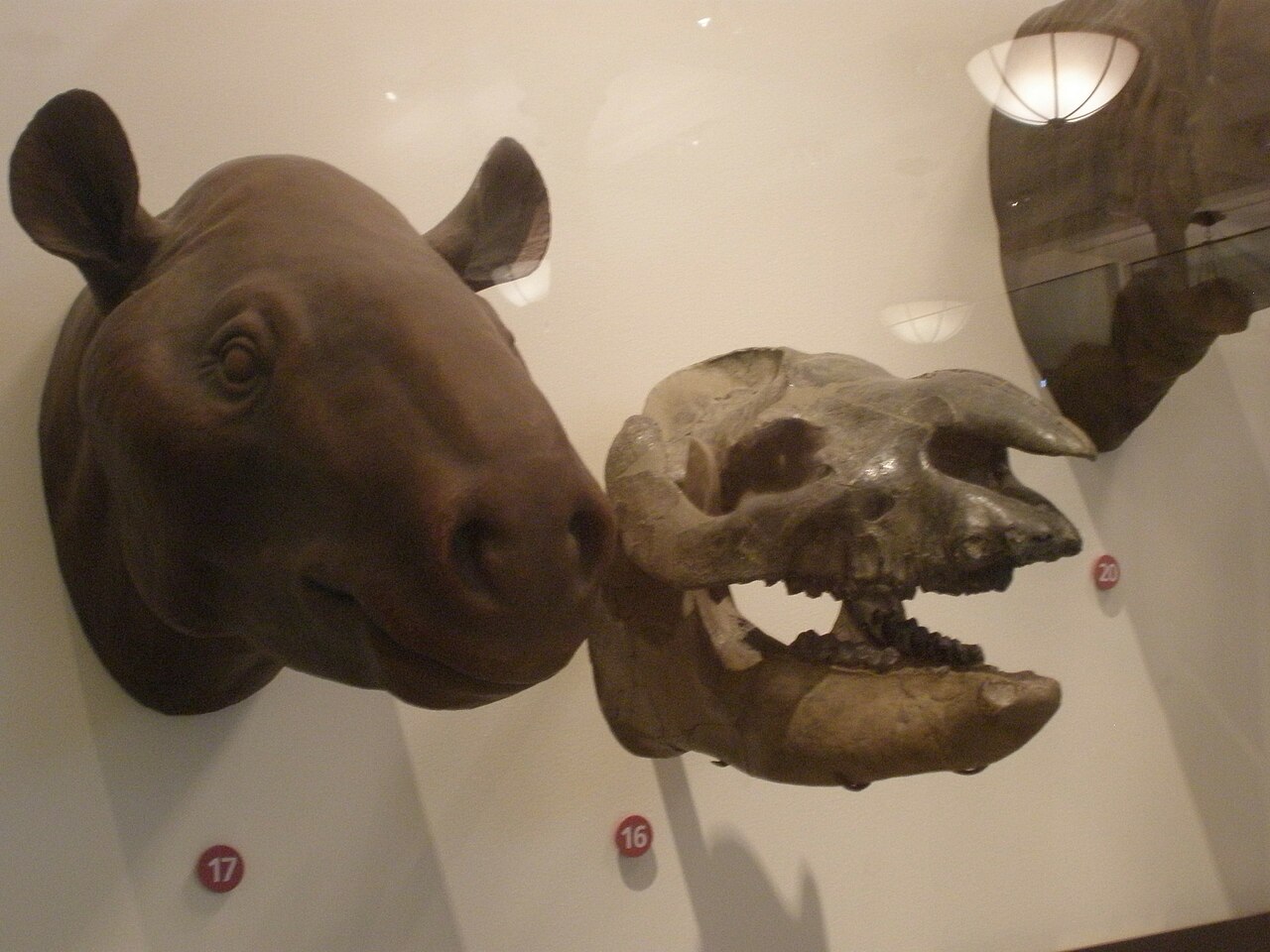
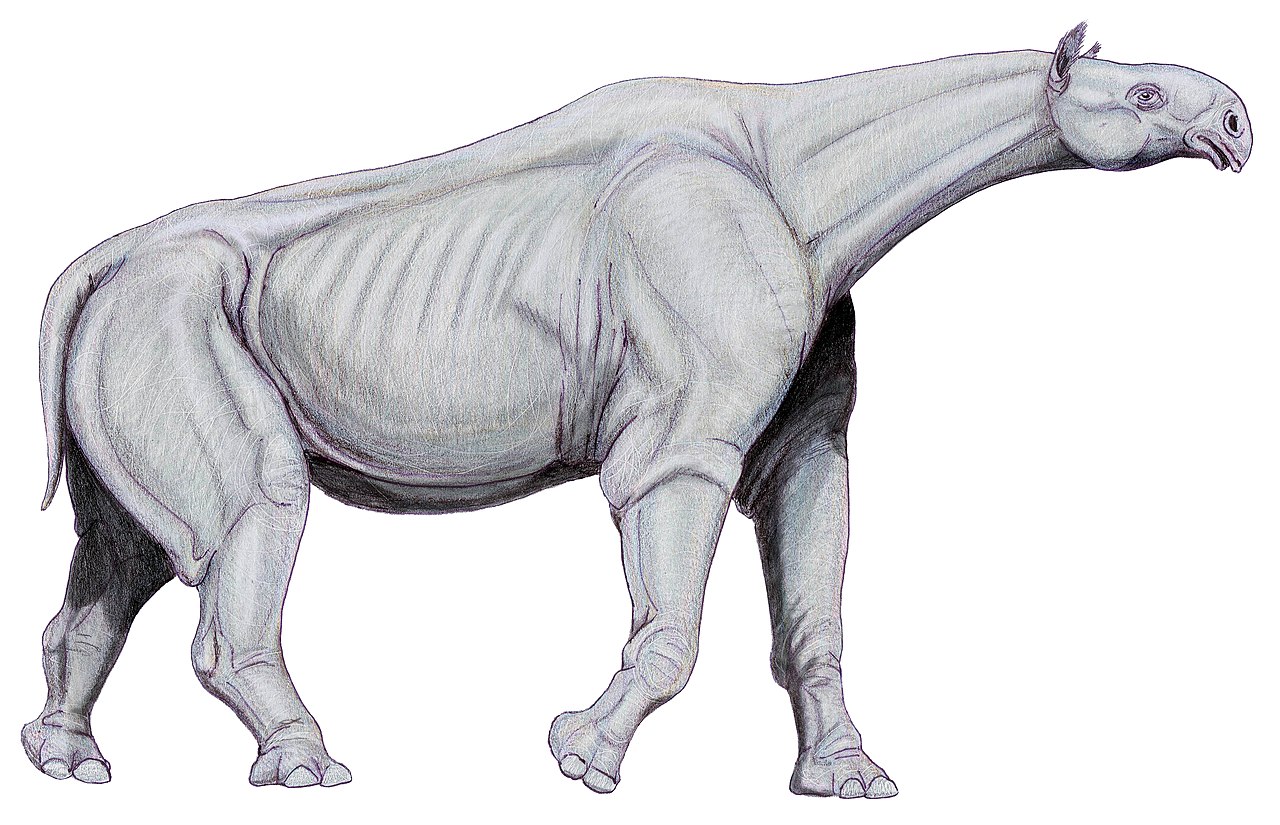
Brontotheres were large, heavy-bodied animals with pillar-like limbs and massive skulls. Many later species developed paired bony protuberances on the snout that resemble horns; unlike rhinoceros horns these projections were bone-based and not made of a keratin sheath. Their dentition was adapted for browsing: low-crowned teeth with simple cusps suited to soft leaves and twigs rather than abrasive grasses. Sexual dimorphism in horn size and skull robusticity has been inferred for several genera.
Distribution and fossil record
Fossils of brontotheres are particularly abundant in North America and parts of Asia, and remain an important component of Eocene faunas. Well-known genera include Megacerops and Brontotherium; some Asian forms, such as the distinctive Embolotherium, show unusual cranial shapes. Their remains are commonly found in fluvial and floodplain deposits that once supported subtropical woodlands.
Ecology, behavior and extinction
As large browsers, brontotheres likely fed on foliage and soft plant material and may have lived in small herds. The paired cranial bosses were probably used in social displays and intraspecific combat. Their disappearance at the Eocene–Oligocene transition is generally attributed to climatic cooling and drying that transformed vegetation, combined with ecological turnover among ungulates.
Relations and notable facts
- Family name and group identity: Brontotheriidae.
- Compared taxa: horses, rhinoceroses, and tapirs.
- Characteristic skull appendages: see horn-like structures.
Brontotheres remain a visible and instructive example of how rapid climatic and vegetational change can reshape large-mammal communities, and their fossil series provide valuable insight into the evolution of perissodactyls and Eocene ecosystems. For further reading see museum collections and specialist literature accessible through repositories indicated by collections and databases at institutional sites.
Related articles
Author
AlegsaOnline.com Brontotheriidae (brontotheres): extinct Eocene perissodactyls Leandro Alegsa
URL: https://en.alegsaonline.com/art/14683