
Brown tree snake (Boiga irregularis): biology, range and invasive impacts
A nocturnal, arboreal colubrid native to parts of Australia, Papua New Guinea and Melanesia, notable as an invasive species that caused severe ecological and economic damage on Guam.
Overview
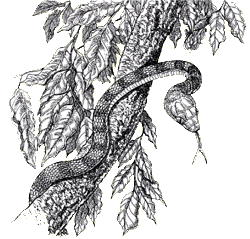
The brown tree snake, Boiga irregularis, is a primarily nocturnal, arboreal species in the colubrid group of snakes. Native to parts of coastal Australia and adjacent islands, it has a reputation for adaptability and climbing ability. It is rear-fanged and considered mildly venomous; its venom helps subdue small prey but it is not generally regarded as highly dangerous to healthy adults.
Image gallery
9 Images




Physical characteristics and behaviour
Adults commonly exceed one metre in length, with slender bodies and smooth scales that aid movement through trees and shrubs. The pupil is often vertically elliptical, a trait associated with nocturnal hunters. Brown tree snakes are opportunistic feeders: they climb to take birds, eggs, bats, lizards and small mammals, and they hunt mainly at night. Reproduction is oviparous, with females laying clutches of eggs that hatch into independent young.
Native range and invasive spread
In their native range the snakes are part of complex island and coastal ecosystems in areas such as Australia, Papua New Guinea and islands of northwestern Melanesia. Their ability to hide in cargo and travel with transport allowed them to establish populations outside that range. They are widely recognized as an invasive species where introduced, with long-term consequences for island biotas and human infrastructure.
Ecological and economic impacts
One of the best-known cases involves the island of Guam, where the brown tree snake's introduction led to dramatic declines and extinctions among native forest birds and some lizards, altering seed dispersal and pollination networks. The snakes also cause frequent power outages by climbing into electrical equipment, and they generate recurring management costs and biosecurity expenses for affected regions.
Management and prevention
Eradication after establishment is extremely difficult. Management strategies focus on early detection, containment and population suppression. Common measures include:
- Targeted trapping and night surveys to remove animals;
- Use of detector dogs, barriers and cargo inspections to prevent spread;
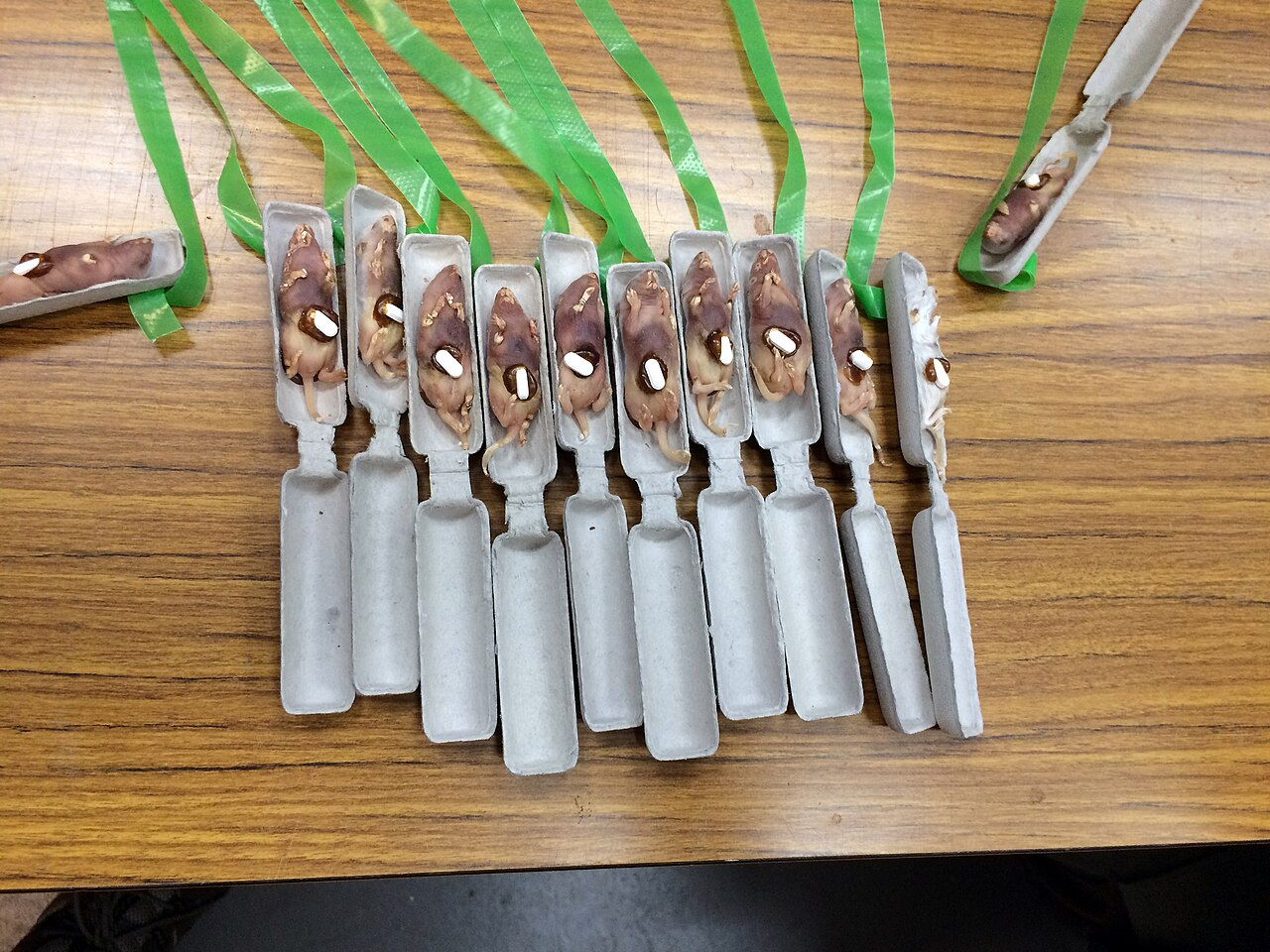
- Development of toxic baits and other chemical controls used under controlled conditions;
- Public education, research into ecological impacts, and ex‑situ conservation for vulnerable native species.
Notable facts and research
The brown tree snake illustrates how a single adaptable predator can transform island ecosystems and highlight weaknesses in transport biosecurity. Ongoing research addresses improved detection technologies, landscape-scale suppression techniques and recovery of affected native species. Lessons from Guam have informed prevention policies for other islands and cargo routes to reduce future invasions.
Questions and answers
Q: What is the Brown tree snake?
A: The Brown tree snake is an arboreal colubrid snake that lives in parts of coastal Australia, Papua New Guinea, and islands in northwestern Melanesia.
Q: What is the reputation of the Brown tree snake?
A: The Brown tree snake is known for being an invasive species.
Q: What kind of animals does the Brown tree snake prey on?
A: The Brown tree snake is responsible for killing the bird population on Guam.
Q: What is the habitat of the Brown tree snake?
A: The Brown tree snake is a species that inhabits trees and can be found in parts of coastal Australia, Papua New Guinea, and islands in northwestern Melanesia.
Q: What kind of snake is the Brown tree snake?
A: The Brown tree snake is an arboreal colubrid snake.
Q: What regions are home to the Brown tree snake?
A: The Brown tree snake can be found in parts of coastal Australia, Papua New Guinea, and islands in northwestern Melanesia.
Q: What damage has the Brown tree snake caused?
A: The Brown tree snake is responsible for killing the bird population on Guam, an island in the Pacific Ocean.
Related articles
Author
AlegsaOnline.com Brown tree snake (Boiga irregularis): biology, range and invasive impacts Leandro Alegsa
URL: https://en.alegsaonline.com/art/14790
Sources
- fort.usgs.gov : "The Brown Treesnake on Guam: How the arrival of one invasive species damaged the ecology, commerce, electrical systems, and human health on Guam: A comprehensive information source"