
Bronchiolitis: causes, symptoms, treatment and differences from bronchitis
Bronchiolitis is an acute inflammation of the lung’s smallest airways, most often caused by viral infection in infants and young children. Overview, causes, signs, care, prevention, and how it differs from bronchitis.
Overview
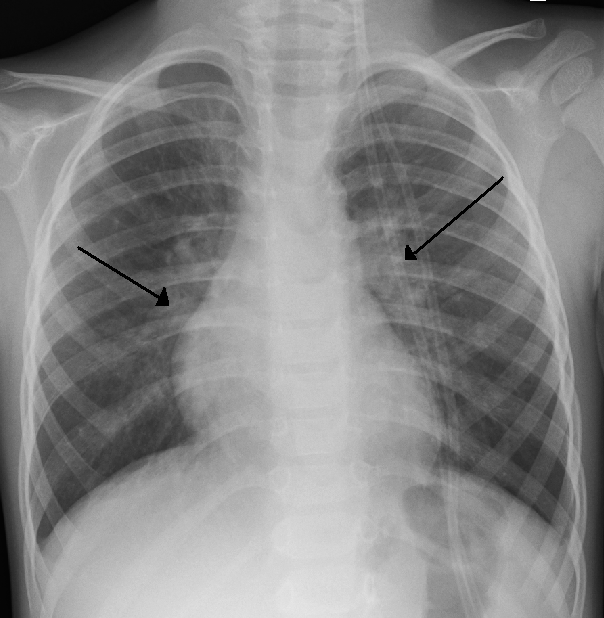
Bronchiolitis is an acute inflammatory condition that affects the smallest airways of the lungs, often called the small airways. It typically occurs in infants and young children, and results in swelling, mucus buildup and narrowing of those passages. The condition makes it more difficult to move air in and out of the lungs, leading to fast breathing, wheeze, coughing and sometimes feeding difficulties.
Image gallery
6 Images



Causes and pathophysiology
Most cases are caused by viral infections. The most frequently identified agent is the respiratory syncytial virus (RSV), though other viruses can also provoke the illness. The infection inflames and obstructs the smallest bronchioles (bronchioles), impairing gas exchange. Inflammation and mucus reduce airway diameter and increase resistance to airflow, especially during expiration.
Signs, symptoms and diagnosis
Common features include runny nose, cough, rapid or noisy breathing, wheezing and mild fever. Young infants may show poor feeding, lethargy or episodes of apnea. Diagnosis is primarily clinical, based on history and physical exam; chest imaging or laboratory tests are reserved for atypical or severe cases. Clinicians may describe bronchiolitis simply as the disease of the small airways caused by acute viral infection.
Treatment and management
Treatment emphasizes supportive care because most cases resolve without specific antiviral therapy. Key elements include:
- Ensuring adequate fluids and calories to prevent dehydration.
- Monitoring breathing and oxygenation; supplemental oxygen if needed.
- Clearing nasal congestion to ease feeding and breathing.
- Hospital care for severe work of breathing, poor intake, or low oxygen levels.
Medications used for other airway conditions may not be routinely helpful; for that reason, doctors carefully consider use of bronchodilators, steroids or antivirals and individualize treatment rather than applying standard medication regimens.
Prevention and prognosis
Preventive measures focus on infection control: hand hygiene, limiting exposure of young infants to sick contacts, and specific prophylactic antibodies for high-risk infants in some settings. Most children recover within one to two weeks; however, severe cases can require hospitalization and, rarely, intensive respiratory support. Long-term wheeze after bronchiolitis is reported in some children, though causality and long-term outcomes vary.
How bronchiolitis differs from bronchitis
Bronchiolitis affects the smallest airways and is primarily a viral illness of infancy and early childhood. By contrast, bronchitis usually refers to inflammation of larger airways and is more commonly seen in older children and adults; causes, symptoms and recommended treatments often differ. Clinicians distinguish these conditions to choose appropriate supportive measures and avoid unnecessary or ineffective therapies.
Related articles
Author
AlegsaOnline.com Bronchiolitis: causes, symptoms, treatment and differences from bronchitis Leandro Alegsa
URL: https://en.alegsaonline.com/art/14668
Sources
- linkinghub.elsevier.com : "Bronchiolitis"
- doi.org : 10.1016/S0140-6736(06)69077-6
- pubmed.ncbi.nlm.nih.gov : 16860701