
Brucellosis: cause, transmission, symptoms, diagnosis and prevention
Brucellosis is a bacterial zoonosis caused by Brucella species. It spreads from infected animals to humans, often via unpasteurized dairy or contact, and can cause fever, malaise and chronic infection.
Overview: Brucellosis is an infectious disease caused by small, gram-negative bacteria in the Brucella genus. It is a zoonosis, meaning infections are acquired from animals rather than from the environment alone. In humans the illness is often characterized by relapsing fever, fatigue, sweats and muscle pains; the historical name undulant fever refers to its tendency to rise and fall. The disease affects both livestock and wildlife and remains an important occupational and public‑health concern in many regions.
Image gallery
7 Images
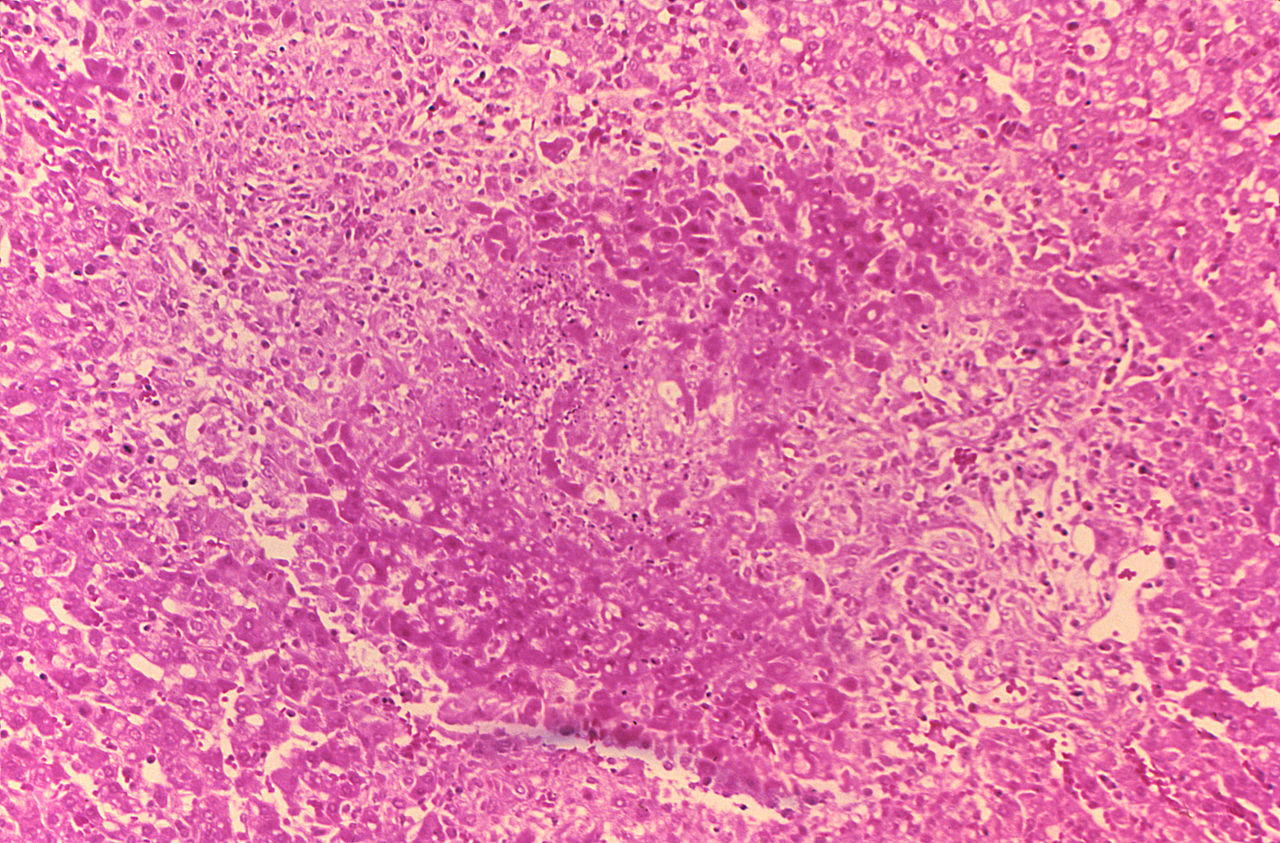


Cause and biology
Several Brucella species infect different host animals. For example, B. melitensis commonly infects goats and sheep, B. abortus is associated with cattle, B. suis with pigs and B. canis with dogs. These bacteria invade cells of the immune system and can survive intracellularly, which helps explain why infections may become persistent or recur. Laboratory diagnosis typically relies on culture, serology, or molecular tests that detect the organism or immune response.
Transmission and risk factors
Human exposure usually comes from direct contact with infected animals or animal products, especially consumption of unpasteurized milk and dairy products. Handling birth tissues or aborted fetuses, slaughtering, and veterinary work are recognized occupational risks. Less commonly, transmission has occurred through contaminated meat (meat), inhalation of aerosols, accidental laboratory exposure, and, rarely, person-to-person routes such as breastfeeding or blood transfusion. Public-health guidance emphasizes pasteurization, protective equipment and vaccination of animals to reduce human cases. The term zoonosis is often used when discussing these transmission pathways.
Clinical features and complications
Symptoms typically begin days to weeks after exposure and may include fever, sweats (especially night sweats), malaise, joint and back pain, and weight loss. Some patients develop localized complications such as spondylitis, arthritis, endocarditis or involvement of the nervous system. Chronic or relapsing forms can occur when treatment is delayed or incomplete; appropriate antimicrobial therapy reduces long-term complications.
Diagnosis, treatment and prevention
Diagnosis combines clinical suspicion with laboratory tests (culture, serology, PCR). Because Brucella are hazardous to handle, laboratories use special precautions. Treatment requires combination antibiotic regimens over several weeks to months to eradicate intracellular organisms; relapse is a recognized risk without adequate therapy. Prevention focuses on animal herd health (vaccination and testing), food safety (pasteurization of milk and proper cooking of meat), and occupational controls for veterinarians, farmers and abattoir workers.
History and notable facts
The disease was long known by place-based names such as Malta fever or Mediterranean fever. British physicians described the illness among troops and local populations in places like Malta during 19th-century conflicts; its identification as a bacterial disease followed work during the Crimean era (Crimean War) and later investigations by clinicians and microbiologists. Dr. David Bruce and colleagues linked the clinical syndrome to the causative organism. Military and public-health interest (military) helped spur early research. For contemporary guidance on management and public-health measures see recognized clinical resources and local health authorities (human health, food safety, microbiology, taxonomic, disease overview, zoonotic disease info, historical accounts).
Questions and answers
Q: What is brucellosis?
A: Brucellosis is a disease caused by bacteria in the Brucella genus.
Q: What are some other names for brucellosis?
A: Brucellosis is also called Bang's disease, Crimean fever, Gibraltar fever, Malta fever, Maltese fever, Mediterranean fever, rock fever, and undulant fever.
Q: How is brucellosis spread?
A: Brucellosis is spread from animals to humans, often through consuming unsterilized milk or eating meat from sick animals.
Q: Is brucellosis contagious?
A: Yes, brucellosis is highly contagious and can be easily spread from person to person.
Q: Can humans spread brucellosis to other humans?
A: While it is rare, humans can sometimes spread brucellosis to other humans.
Q: Who discovered the bacteria that cause brucellosis?
A: Dr. David Bruce was the first person to discover the bacteria that cause brucellosis.
Q: Where was brucellosis first discovered?
A: Brucellosis was first discovered in Malta during the Crimean War in the 1850s by British doctors in the military.
Related articles
Author
AlegsaOnline.com Brucellosis: cause, transmission, symptoms, diagnosis and prevention Leandro Alegsa
URL: https://en.alegsaonline.com/art/14843
Sources
- education.yahoo.com : "Brucellosis" in the American Heritage Dictionary
- wrongdiagnosis.com : Maltese Fever
- dhsspsni.gov.uk : "Diagnosis and Management of Acute Brucellosis in Primary Care"
- whonamedit.com : Brucellosis
- whonamedit.com : Sir David Bruce