
Broom (shrub): overview, biology, distribution and uses
Brooms are leguminous shrubs with slender green stems, small leaves and pea-like flowers. This article summarizes their description, taxonomy, ecology, cultivation, and interactions with people and landscapes.
Overview
Brooms are a loosely defined group of woody plants that include evergreen forms, semi-evergreen and deciduous types. They are typically treated as low to medium-sized shrubs with a characteristic habit of dense, twiggy stems. Many species have an open, broom-like silhouette formed by numerous long, slender green shoots and often produce conspicuous clusters of pea-shaped flowers in spring or early summer. The group includes well-known plants such as common broom and related genera often encountered in gardens and wild habitats.
Image gallery
9 Images
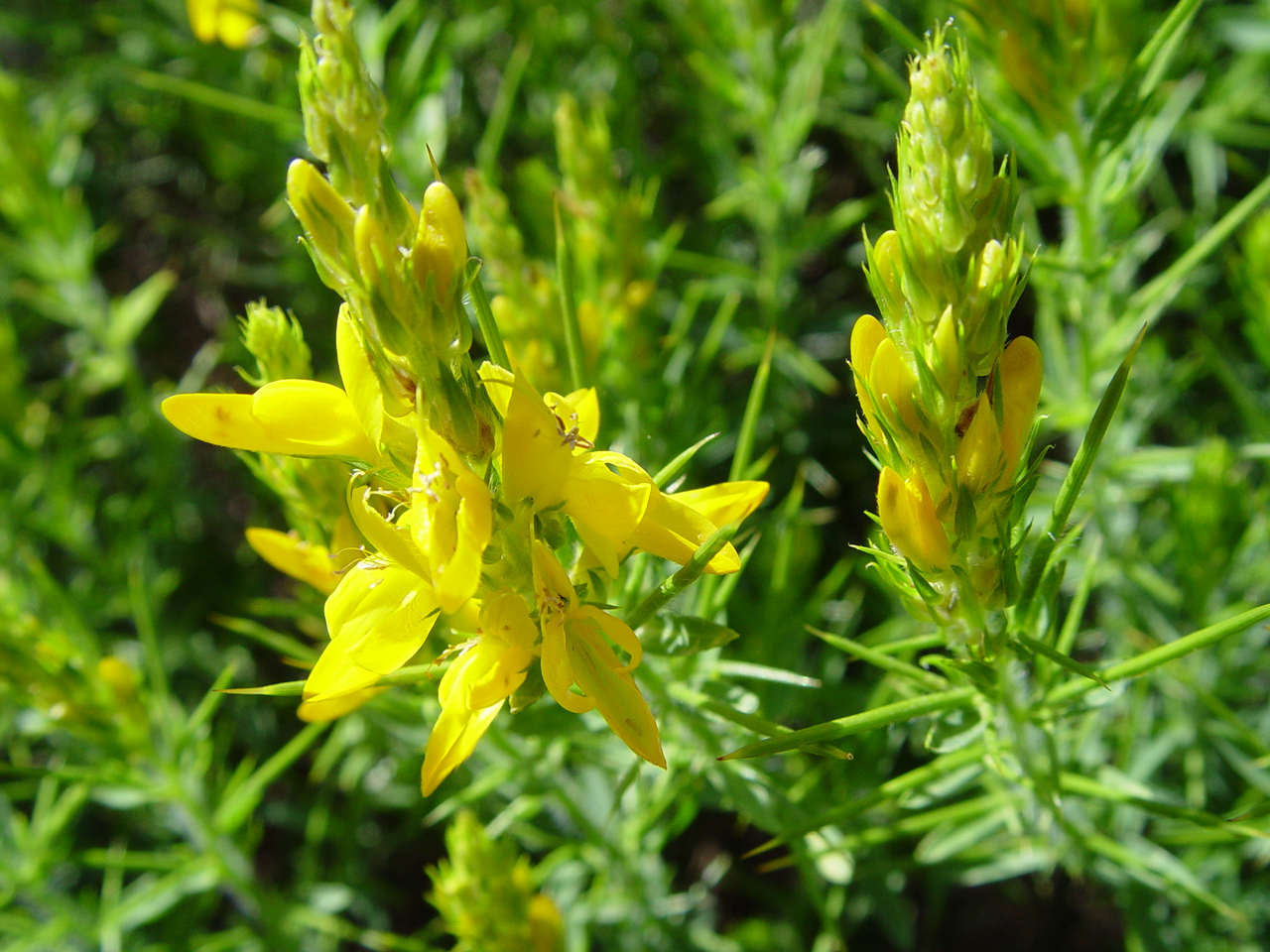


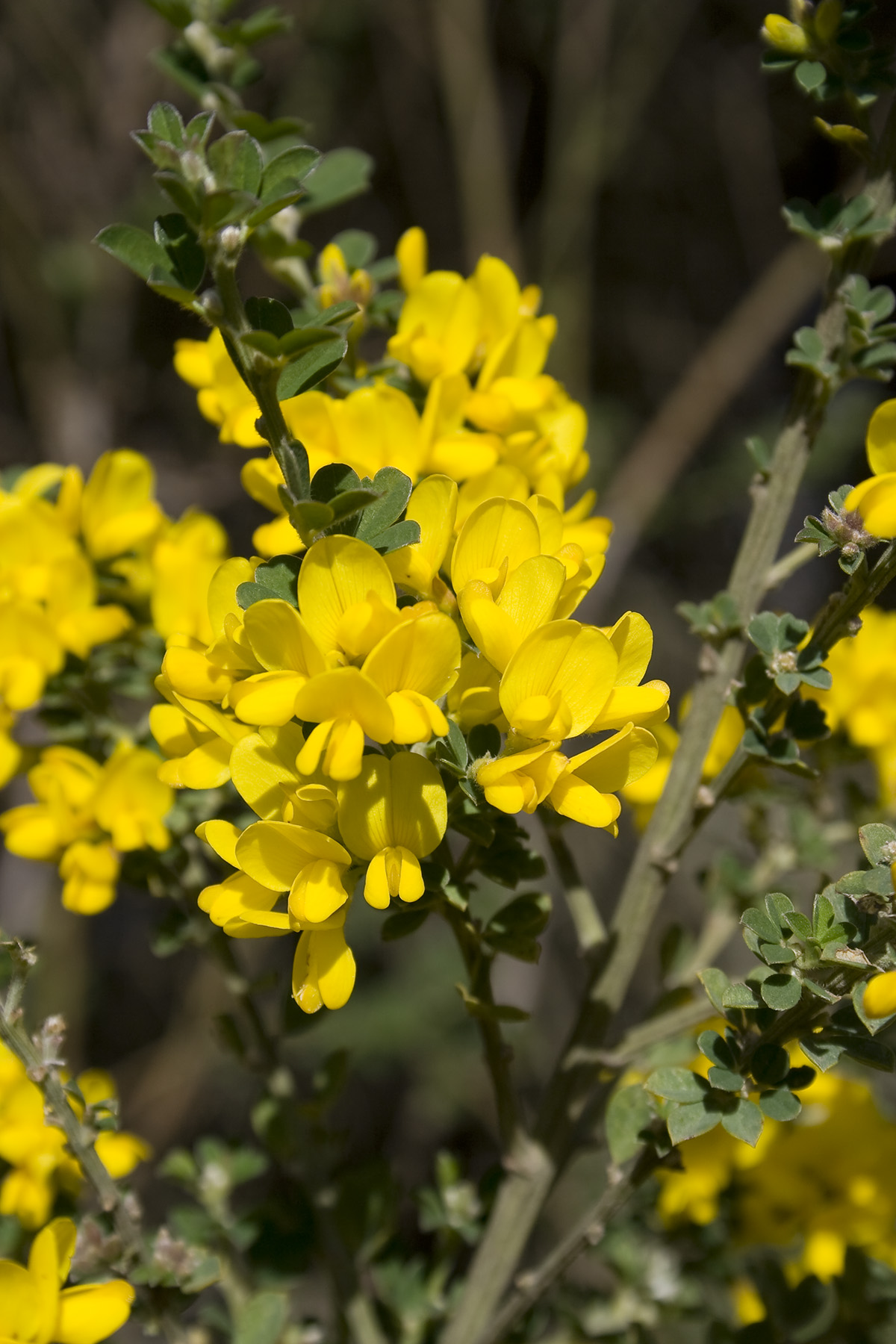


Description and morphology
Most brooms share a set of morphological traits that suit dry, open sites: slender, often green, photosynthetic stems, and very small or rapidly deciduous leaves that reduce water loss. Flower structure follows the typical legume pattern—banner, wings and keel—and many species present bright yellow blooms though white, cream, pink and reddish variants occur. The fruit is a legume (pod) that typically dries and splits to release the seeds; in some species the pods can split with a sudden movement that helps disperse seed.
Taxonomy
Brooms belong to the legume family, broadly called the legume or Fabaceae, and are placed in the subfamily Faboideae. Most species commonly called brooms are found in several related genera, chiefly Chamaecytisus, Cytisus and Genista, although additional small genera are also included. These genera are members of the tribe Genisteae and are closely related in appearance and ecology.
Distribution and habitats
Native ranges are concentrated in Europe, north Africa and southwest Asia, with the greatest species diversity occurring around the Mediterranean basin. Within these regions brooms colonize open, well-drained soils such as sandy heaths, rocky slopes, dry grasslands and coastal dunes. Some species have adapted to cool temperate climates and occur farther north where they occupy sunny, often nutrient-poor sites.
Ecology and life history
Ecologically, many brooms act as early colonizers of disturbed or open ground. As legumes they associate with nitrogen-fixing bacteria and can contribute to soil fertility, particularly on poor substrates. Several species are adapted to fire-prone ecosystems: above-ground shoots may be killed by fire while roots resprout and hard-coated seeds in the soil require heat, scarification or disturbance to promote germination. Dense stems and thornless habit in some species provide shelter for insects and small birds.
Horticulture, management and uses
Brooms are planted for ornamental value, soil stabilisation and low-maintenance shelter belts. Many garden cultivars are selected for flower color, habit and compactness; most prefer sunny, sharply drained sites and are drought-tolerant once established. Propagation is by seed or semi-ripe cuttings; seeds with hard coats commonly benefit from scarification or heat treatments to improve germination. Regular pruning after flowering keeps plants compact and prevents them becoming woody at the base.
Risks, invasiveness and toxicity
Caution is necessary because several broom species contain alkaloids that can be toxic if ingested by livestock or people. Outside their native range some species have escaped cultivation and become invasive, spreading rapidly along roadsides, railway corridors and coastal dunes where they can outcompete native vegetation and change fire regimes. Management of invasive populations typically combines removal of seed sources, mechanical clearing and follow-up control of resprouting.
Notable characteristics and observation tips
- Leaves: generally very small or short-lived; stems often perform most photosynthesis (leaf adaptations).
- Flowers: pea-like, most commonly yellow but variable in some cultivated forms.
- Fruit and dispersal: dry pods that split to release seeds; some species show audible pod-splitting.
- Soil and exposure: favour well-drained, sunny sites and tolerate poor, sandy substrates.
For further information consult regional floras and horticultural references that treat genus-level distinctions and species lists, or seek guidance from local conservation agencies for management of wild or naturalised populations. Additional resources on evergreen and deciduous forms, shrub profiles and regional flora can be found through general plant databases and botanical guides (evergreen types, deciduous forms, shrub profiles, European flora, North African flora, West Asian flora, germination treatments, subfamily notes, legume family, Fabaceae overview, genera details, tribal placement, leaf morphology, flower colours).
Questions and answers
Q: What is the family that brooms belong to?
A: Brooms belong to the subfamily Faboideae of the legume family Fabaceae.
Q: Where can one find brooms and their relatives?
A: Brooms and their relatives can be found in Europe, north Africa and southwest Asia, with the greatest diversity in the Mediterranean region.
Q: What type of environment do most brooms prefer?
A: Most brooms prefer sunny sites, usually on dry, sandy soils.
Q: How tall does common broom typically grow?
A: Common broom typically grows to a height of 1–3m tall, rarely up to 4m.
Q: How cold-tolerant is common broom?
A: Common broom is quite cold-tolerant, able to tolerate temperatures down to about -25°C.
Q: What are some characteristics shared by all genera in this group?
A: All genera in this group share similar characteristics of dense, slender green stems and very small leaves which are adaptations for dry growing conditions.
Q: What colors do most species have for flowers?
A: Most species have yellow flowers but a few have white, orange, red, pink or purple flowers.
Related articles
Author
AlegsaOnline.com Broom (shrub): overview, biology, distribution and uses Leandro Alegsa
URL: https://en.alegsaonline.com/art/14737
Sources
- ildis.org : ILDIS Version 6.05
- rhs.org.uk : Royal Horticultural Society's plant database