
British Rail Class 47 diesel-electric locomotive
A widely used British mainline diesel-electric locomotive introduced in the 1960s. 512 were built; many worked passenger and freight services and a substantial number survive in preservation.
Overview
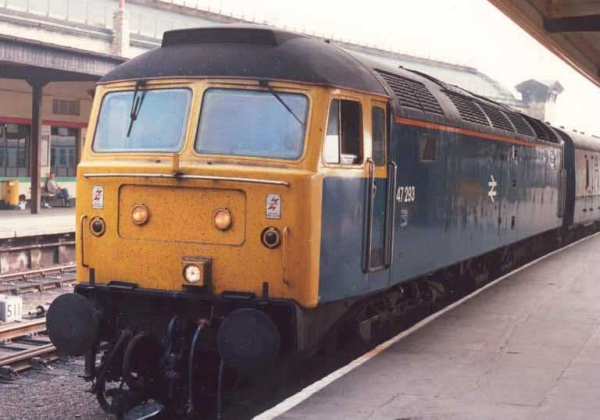
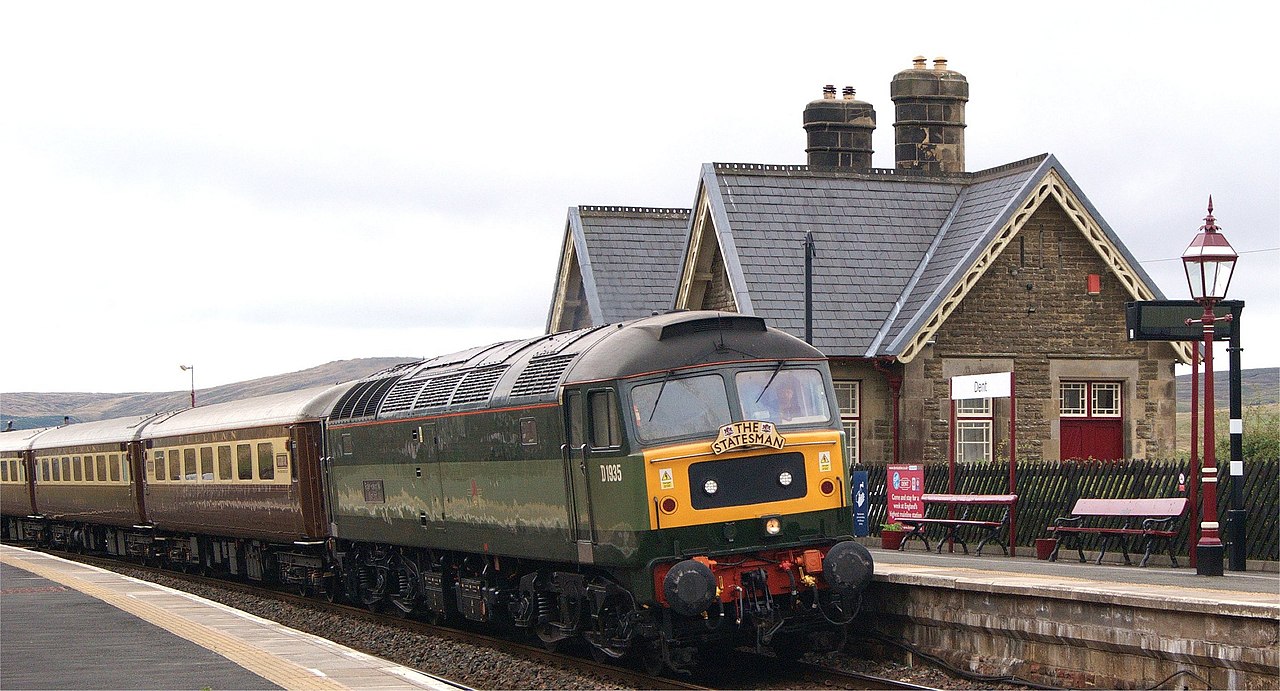
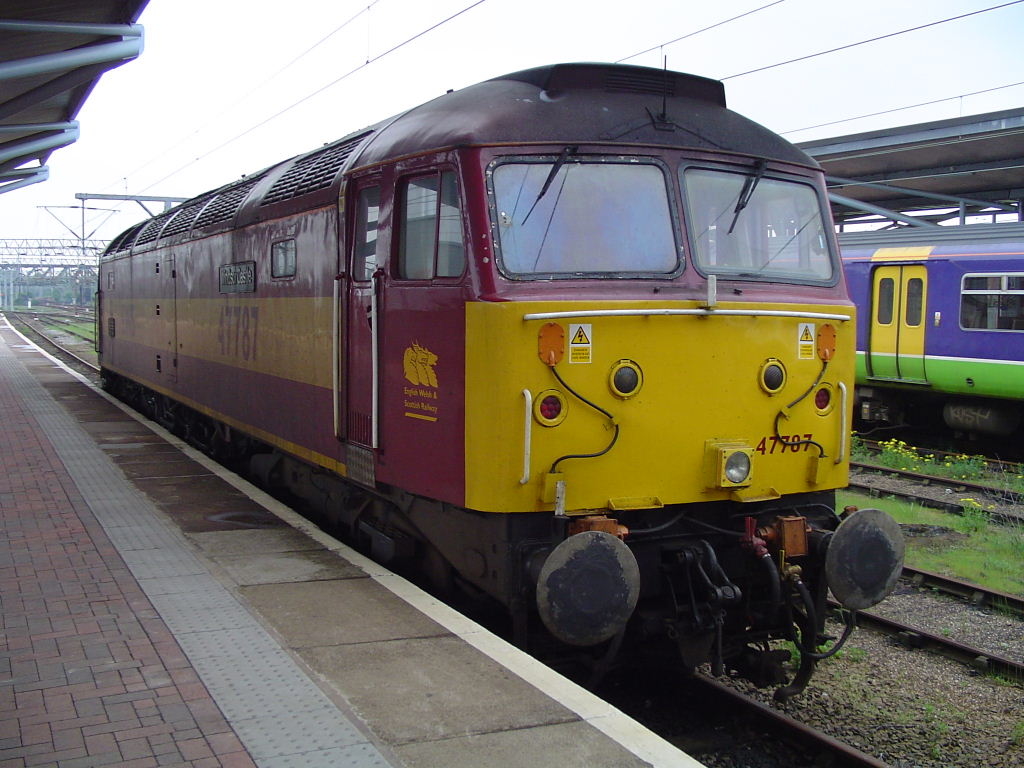
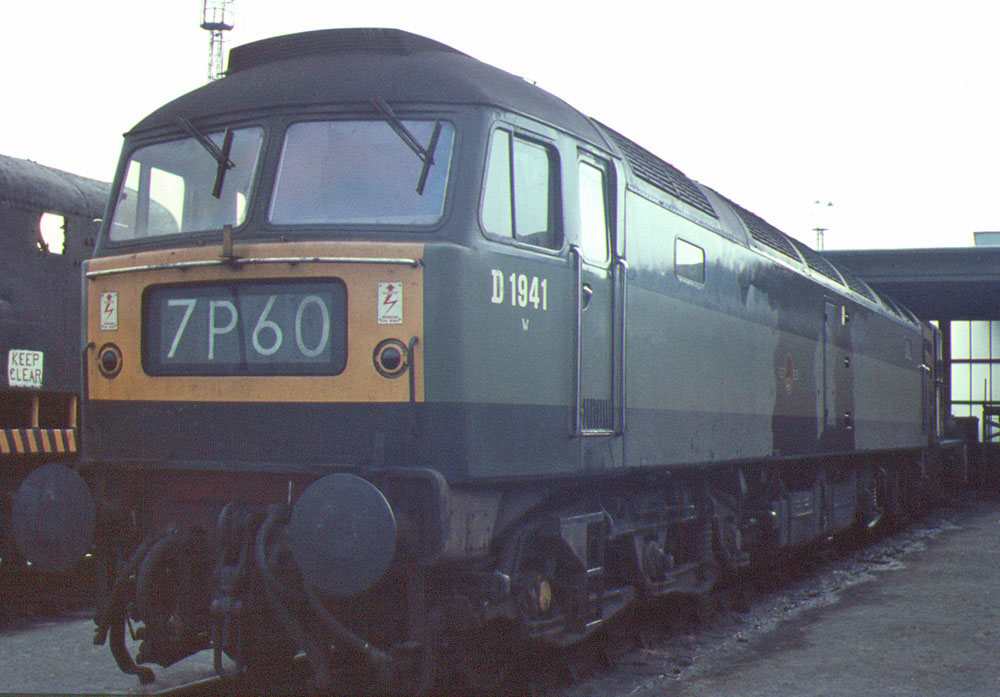
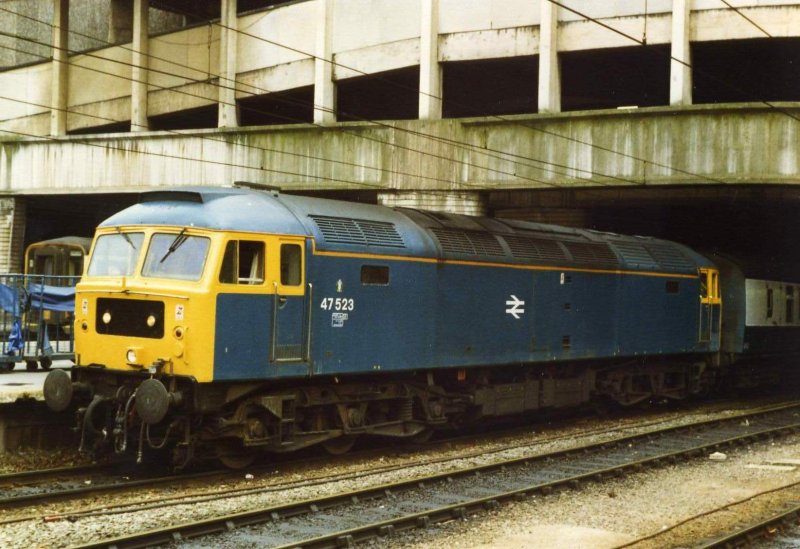
The British Rail Class 47 is a large fleet of diesel-electric locomotives introduced in the 1960s as part of British Rail's post-steam modernization. Originally known as the Brush Type 4, the class became one of the most numerous mainline diesel types in Britain. A total of 512 examples were built between 1962 and 1968 at Crewe Works and at Brush's Falcon Works in Loughborough, giving the type a prominent place on regional and intercity services for many decades. For background on the class designation see Class 47 and the manufacturer's history at Brush Traction.
Image gallery
10 Images



Design and technical characteristics
Class 47s are diesel-electric locomotives: a diesel engine drives an electrical generator which supplies traction motors mounted on the bogies. They use a Co-Co wheel arrangement (two bogies, three axles each) to distribute weight and provide traction for both passenger and freight duties. The original prime mover was the Sulzer 12LDA28C, a 12-cylinder engine rated initially at about 2,750 bhp and later commonly derated to improve reliability. Many locomotives had steam heating boilers fitted for coaching stock; in later years a number were modified to provide electric train heating instead.
Service history and roles
Built at Crewe Works and at the Falcon Works in Loughborough, Class 47s entered service in the 1960s and quickly became a backbone of British diesel traction. They operated on express passenger trains, regional services, parcels and mail trains, and a wide variety of freight workings. Their flexibility and robustness led to long service lives: many remained in regular use well into the late 20th and early 21st centuries, occasionally at reduced power settings to extend engine life. Technical details of the prime mover and maintenance regimes can be explored further with sources on the Sulzer 12LDA28C.
Variants, modifications and notable features
Over their working lives many Class 47s were modified to meet changing operational needs. Variants differed by heating systems (steam or electric), braking equipment, multiple working capability and, in some cases, gearing for higher top speed or heavier freight duties. Distinguishing features include their characteristic bonnet profile and multiple liveries applied over decades of service. These practical modifications helped the class remain useful across a wide range of tasks.
Legacy, preservation and cultural impact
The Class 47 has left a lasting legacy on British railways. Their ubiquity during the late 20th century made them familiar to rail staff and enthusiasts alike. After withdrawal from frontline duties many locomotives found new life on heritage lines, charter services and in preservation; enthusiasts and heritage operators maintain numerous examples for special services and events. Information on preserved examples and heritage operations can be found via resources on heritage railways.
Key facts
- Production years: 1962–1968.
- Total built: 512 locomotives.
- Prime mover: Sulzer 12LDA28C (12-cylinder diesel), originally rated around 2,750 bhp.
- Wheel arrangement: Co-Co (six axles).
- Typical roles: express and regional passenger, parcels, and freight services.
The Class 47 remains an important chapter in the story of British diesel traction: a versatile, numerous and long-lived family of locomotives that bridged the transition from steam to modern traction and now survives in preservation and occasional mainline use.
Tags
Related articles
Author
AlegsaOnline.com British Rail Class 47 diesel-electric locomotive Leandro Alegsa
URL: https://en.alegsaonline.com/art/14468