
British Rail: national railway operator of Great Britain (1948–1997)
Overview of British Rail — its origins under the Transport Act 1947, organization, major reforms, services and rolling stock, the move to privatization, and its enduring legacy.
Overview
British Rail was the state-owned railway operator that managed most rail services in Great Britain from nationalization in the late 1940s until the transfer of operations to private companies in the 1990s. It was established following the Transport Act 1947, which brought previously private railway companies under public ownership. The organization's scope included passenger services, freight, track maintenance and stations.
Image gallery
10 Images


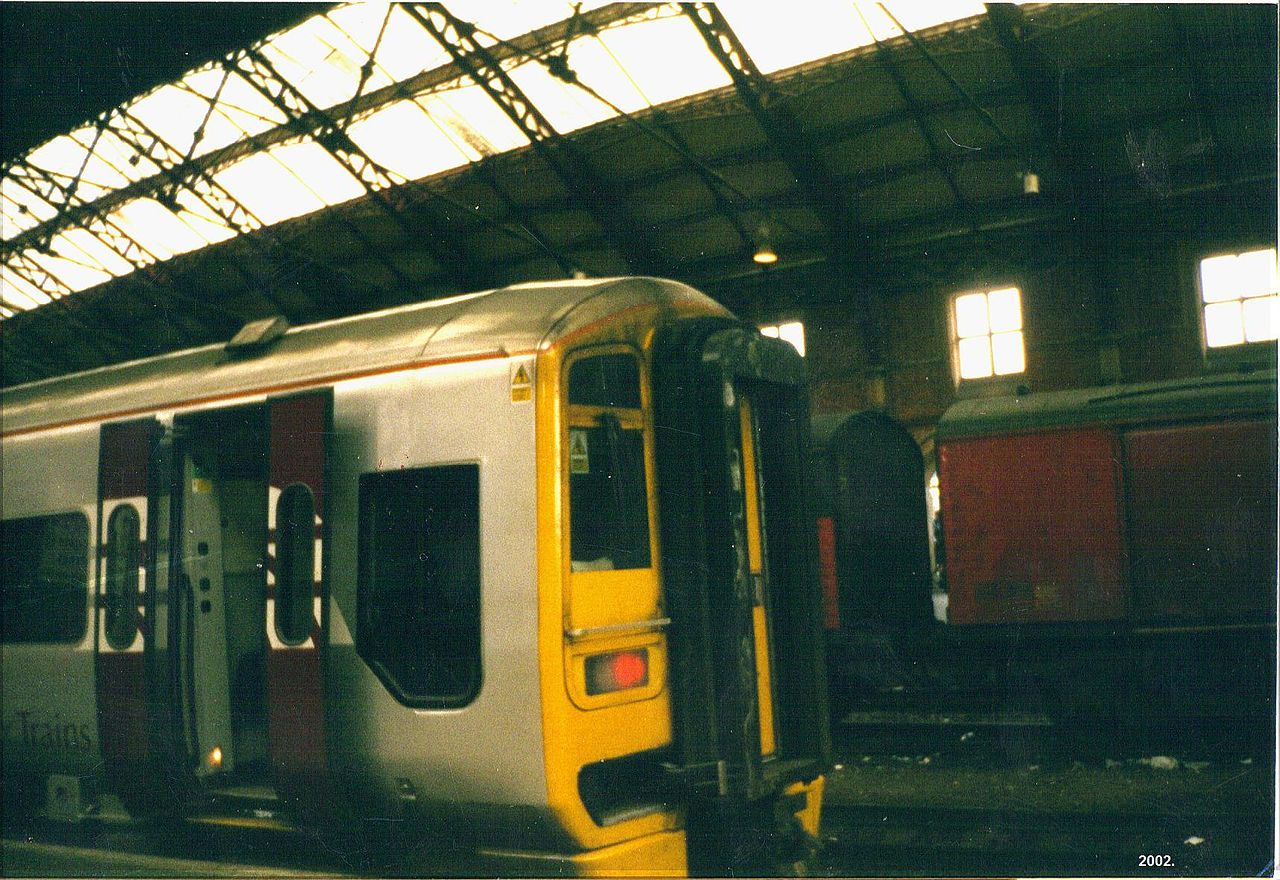
Structure and characteristics
Initially organized around regional divisions, British Rail later operated through a central board and, from the 1980s, by functionally separated business sectors. It adopted a common corporate identity, standardized liveries and timetabling. Services ranged from local commuter routes to long-distance express trains and bulk freight. The double-arrow logo and standardized typefaces became widely recognized symbols of the system.
Major developments and reforms
Postwar decades brought large-scale change: an early modernization program encouraged replacement of steam with diesel and electric traction and promoted electrification of key routes. In the 1960s, network reshaping and station closures followed a national review of services. Later, in response to changing travel demand and financial pressures, British Rail introduced customer-facing brands and reorganized operations into sectors for intercity, regional and commuter markets.
Services, rolling stock and examples
- InterCity and express services — long-distance, higher-speed services that linked major cities and formed a core revenue stream.
- Commuter and regional trains — short-haul passenger routes and suburban networks serving metropolitan areas.
- Freight — bulk and infrastructure freight moved by dedicated wagons and locomotives.
- Rolling stock — fleets evolved from steam to modern diesel and electric multiple units and locomotives, introduced to improve speed, reliability and comfort.
Privatization and legacy
During the 1990s, the government's program of privatization led to the breakup of British Rail's operations into multiple passenger and freight companies and separation of track and train duties. The transition changed how services were contracted and funded and left a mixed legacy: improved investment and competition in some corridors, alongside debates about coordination, fares and infrastructure management. Elements of British Rail—such as route maps, station names and institutional memory—continued to influence later organizations.
Further reading and context
British Rail's creation was enabled by postwar legislation; the Transport Act 1947 provides legal and historical context for nationalization. Its history illustrates broader trends in transport policy: consolidation, modernization, cost control, branding, and the later shift to market-based provision. The company's visual identity, rolling stock innovations and the reshaping of services remain subjects of public and scholarly interest.
Questions and answers
Q: What was British Rail (BR)?
A: British Rail was the national railway company of Great Britain, operating from 1948 to 1997.
Q: How was British Rail created?
A: British Rail was created by nationalization under the Transport Act 1947.
Q: When did Britain's railways return to private ownership?
A: Britain's railways returned to private ownership in 1997 through privatization.
Q: What did the Transport Act 1947 do?
A: The Transport Act 1947 nationalized Britain's railways and created British Rail.
Q: How long did British Rail operate?
A: British Rail operated for 49 years, from 1948 to 1997.
Q: What was the reason for privatization of British Rail?
A: British Rail was privatized in 1997 to return control of the railways to private ownership.
Q: What was the overall impact of the nationalization and privatization of British Rail?
A: The nationalization and subsequent privatization of British Rail had a significant impact on the ownership and operation of Britain's railways.
Tags
Related articles
Author
AlegsaOnline.com British Rail: national railway operator of Great Britain (1948–1997) Leandro Alegsa
URL: https://en.alegsaonline.com/art/14555
Sources
- railwaysarchive.co.uk : "Transport Act 1947"
- translink.co.uk : Ag Taisteal le Translink
- railwaysarchive.co.uk : "The Reshaping of British Railways - Part 1: Report"
- railwaysarchive.co.uk : "The Reshaping of British Railways - Part 2: Maps"
- dft.gov.uk : Department for Transport
- dft.gov.uk : Transport Statistics Great Britain 2006
- railwaysarchive.co.uk : "Modernisation and Re-Equipment of British Rail"
- greatcentraltoday.com : "The Great Central Railway in 2002 - History"
- railwaysarchive.co.uk : The Railways Archive :: Railway Finances - Report of a Committee chaired by Sir David Serpell KCB CMG OBE
- therailwaycentre.com : "TheRailwayCentre – Class 143"
- railwaysarchive.co.uk : Hidden Inquiry Report (PDF), from The Railways Archive
- waverleyrailwayproject.co.uk : "Waverley Rail Project route"
- telegraph.co.uk : "Train fares cost more than under British Rail"
- ianallanpublishing.com : "Blue Diesel Days"
- opsi.gov.uk : "The Traffic Signs Regulations and General Directions 2002 (SI 2002:3113)"