
Crewe Works: history and significance of the Crewe railway engineering works
A comprehensive overview of Crewe Works, the historic British railway engineering complex in Crewe, Cheshire, its development, output, decline and legacy.
Overview: Crewe Works is a long-established British railway engineering complex founded in the early Victorian era. The facility began as a purpose-built railway engineering site for the Grand Junction Railway, which established workshops there when the line opened in 1840. The works lie in the town of Crewe, in the county of Cheshire, and for many decades were central to Britain’s locomotive and rolling stock manufacture.
Image gallery
4 Images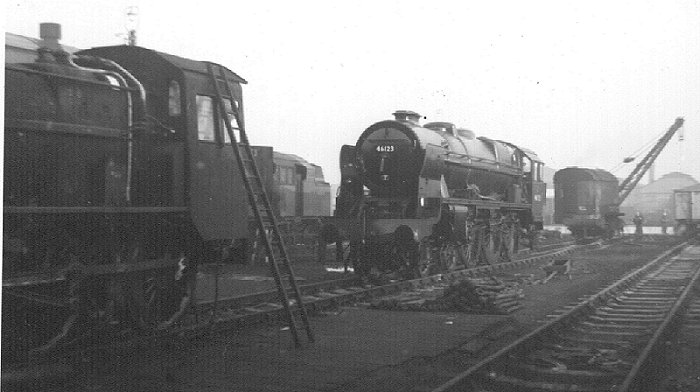
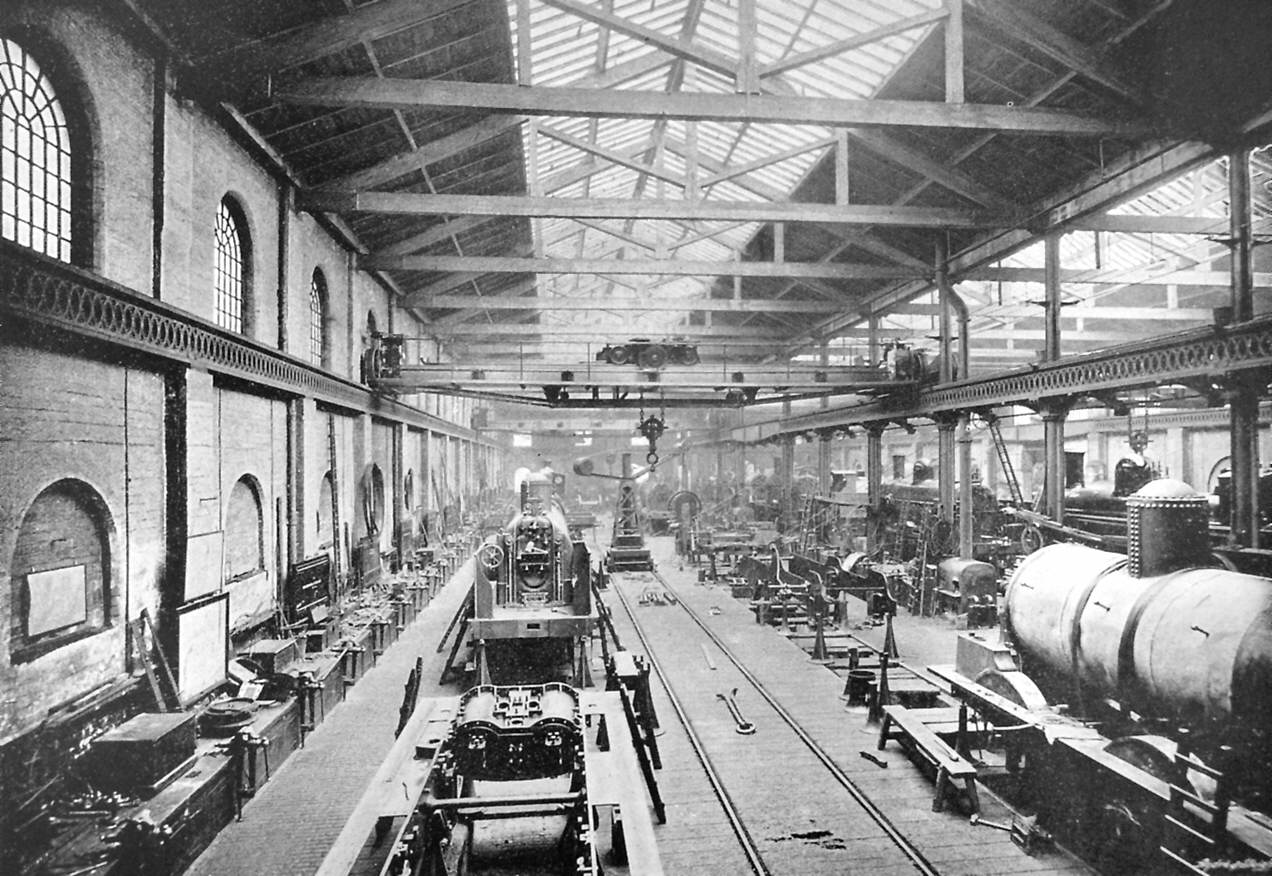
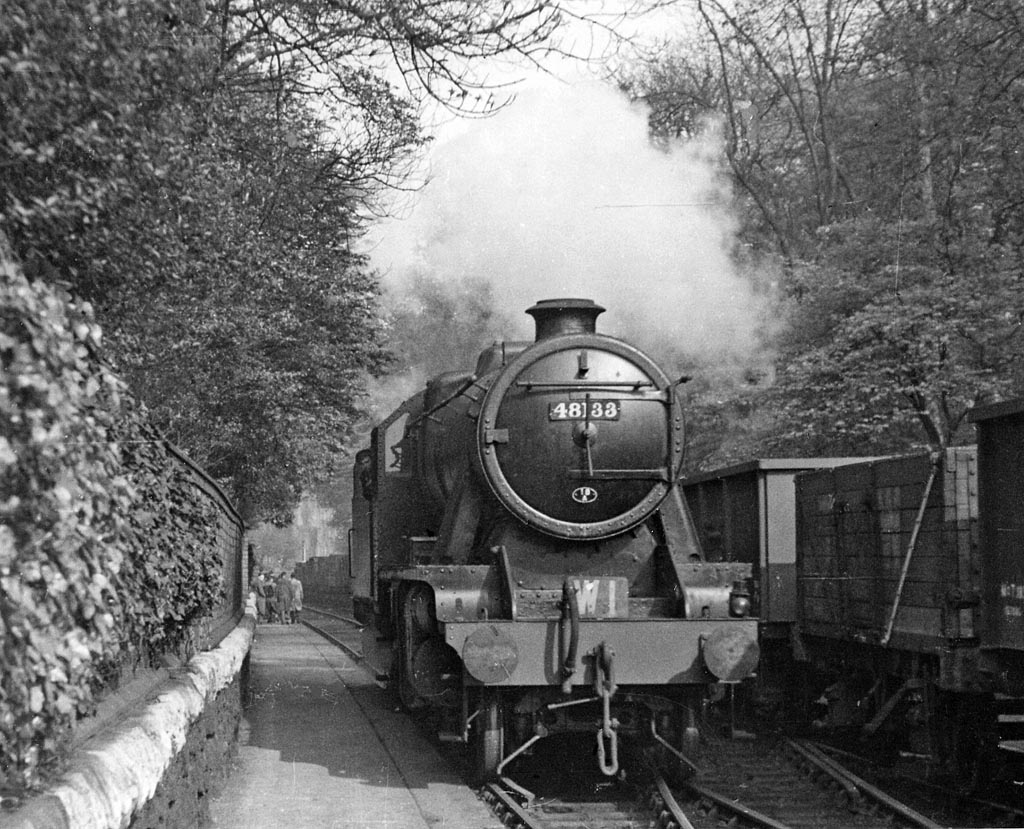

Origins and development
Originally constructed to service and build locomotives and carriages for the expanding railway network, Crewe Works grew rapidly following its foundation. It became the principal works of successor companies such as the London and North Western Railway and later nationalised British Railways. Over the steam era and into the 20th century the site expanded to include erecting shops, boiler and carriage shops, and later specialised facilities for diesel and electric traction.
Products, layout and operations
The works produced large numbers of steam locomotives in the 19th and early 20th centuries and subsequently adapted to build and overhaul diesel and electric locomotives, multiple units and express coaching stock. The complex historically contained heavy engineering shops, machine shops, paint and trim departments, testing facilities and sidings for moving vehicles under construction. In later decades the emphasis shifted toward refurbishment, component manufacture and accident repairs.
Ownership, decline and redevelopment
Crewe’s ownership changed several times through the late 20th and early 21st centuries. The site was operated by commercial rolling-stock firms, including Bombardier Transportation, which managed major works before the industry was reorganised. Employment at Crewe once exceeded 20,000 people at its peak; by the early 2000s staffing had fallen dramatically, with reports of fewer than 1,000 employees and further redundancies announced in 2005. Contemporary activity has focused on maintenance, overhaul and the inspection of seriously damaged rolling stock, rather than large-scale construction programmes.
Site changes and community impact
Large areas of the original works have been sold and repurposed. Parts of the former site are occupied by commercial developments, including a supermarket (retail), leisure and entertainment facilities (leisure park) and a modern health centre (health centre). These changes reflect wider economic shifts from heavy manufacturing to service and retail uses in many British towns.
Legacy and notable facts
- Industrial heritage: Crewe Works is remembered for its craftsmanship and for shaping the town whose growth it helped drive.
- Preservation: Numerous locomotives and carriages built or repaired at Crewe survive in railway preservation and museums, illustrating its long manufacturing record.
- Technical contribution: Innovations in workshop layout, mass production techniques and rolling-stock design at Crewe influenced later railway engineering practices.
Today Crewe’s workshops remain a point of reference in British railway history. While the scale of manufacture that once characterised the site has diminished, the works’ influence on regional development, industrial skills and the nation’s rail fleet endures in preserved vehicles, archives and the urban fabric of Crewe.
Questions and answers
Q: When was Crewe railway works built?
A: Crewe railway works was built in 1840.
Q: Where is Crewe railway works located?
A: Crewe railway works is located in the town of Crewe, in Cheshire.
Q: Who currently owns Crewe railway works?
A: Crewe railway works is currently owned by Bombardier Transportation.
Q: How many employees did Crewe Works employ at its height?
A: Crewe Works employed over 20,000 people at its height.
Q: How many people remained on site in 2005?
A: In 2005, fewer than 1,000 people remained on site.
Q: What is the current focus of work at Crewe Works?
A: The current focus of work at Crewe Works is largely on general maintenance and the inspection of seriously damaged rolling stock.
Q: What has become of much of the site once occupied by Crewe Works?
A: Much of the site once occupied by Crewe Works has been sold off and is now occupied by a supermarket, leisure park, and a large new health centre.
Related articles
Author
AlegsaOnline.com Crewe Works: history and significance of the Crewe railway engineering works Leandro Alegsa
URL: https://en.alegsaonline.com/art/24162