
Aglaonema — Chinese evergreen, a tropical foliage plant genus
Aglaonema, or Chinese evergreen, is a genus of about 40 tropical foliage species (Araceae) from Southeast Asia. Valued as hardy, low-light houseplants with many variegated cultivars and easy propagation.
Aglaonema is a genus of roughly 40 species of evergreen, herbaceous plants in the family Araceae. Commonly called Chinese evergreen, these plants are prized for attractive, often variegated leaves and a tolerance for lower light conditions, which has made them popular as houseplants and for interior landscaping.
Image gallery
2 Images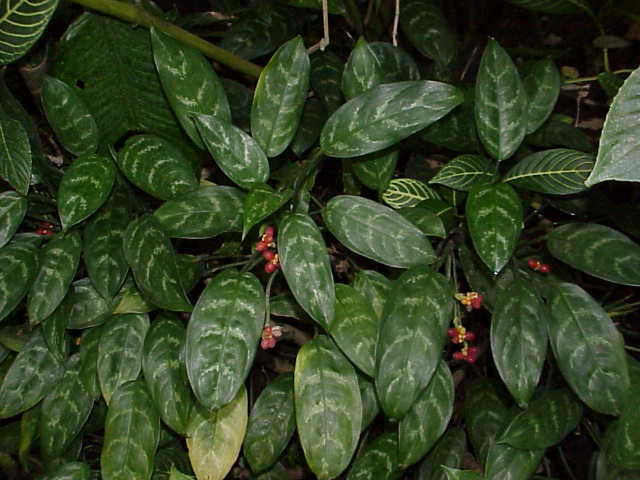

Characteristics
Members of the genus typically form compact clumps or rosettes with broad, lance-shaped leaves. Foliage color ranges from plain green to combinations of silver, cream, pink and red tones in various patterns; many cultivated varieties emphasize striking leaf variegation. Flowers are a typical aroid inflorescence — a spadix subtended by a spathe — but are small and unobtrusive compared with the decorative leaves.
Distribution and habitat
Aglaonema species are native to the warm, humid understories of southeastern Asia, occurring naturally in wet lowlands, swampy areas and rainforest habitats. Their range extends from Bangladesh eastward through mainland Southeast Asia to the Philippines and north into southern China. In the wild they often grow in shaded, sheltered microsites with consistent moisture and rich, humus-rich soils.
Cultivation and care
- Light: bright, indirect light favors good coloration for variegated forms, though many species tolerate low indoor light.
- Soil and watering: use a loose, well-draining potting mix. Keep soil evenly moist but avoid prolonged waterlogging; allow the surface to dry slightly between waterings.
- Temperature and humidity: prefer warm, stable indoor temperatures and benefit from higher humidity compared with average room air.
- Fertilizer: light feeding during the growing season supports steady growth; reduce feeding in cooler months.
- Pruning and repotting: remove yellowing leaves and repot when rootbound to maintain vigor.
Propagation
Aglaonema is commonly propagated by division of clumps or by stem cuttings. Division is straightforward for mature, multi-stemmed plants: separate rooted sections and pot them individually. Stem cuttings placed in moist medium or water will typically form roots under warm, humid conditions.
Pests, diseases and maintenance
Under indoor conditions the plants are generally resilient but can be affected by common houseplant pests such as scale insects, mealybugs and spider mites when stressed. Overwatering may lead to root rot; good drainage and moderate watering reduce this risk. Inspect plants regularly and treat infestations early with appropriate cultural or biological controls.
Toxicity and precautions
Like many aroids, Aglaonema contains calcium oxalate crystals and can cause mouth and skin irritation if chewed or handled carelessly. It is advisable to keep plants out of reach of pets and small children and to wear gloves when handling sap from damaged tissues.
Varieties and uses
Hybrid breeding and selection have produced numerous cultivars with improved growth habit, color and tolerance of indoor conditions. They are widely used as decorative houseplants, in offices and in shaded outdoor plantings in suitable climates. For further botanical details, horticultural advice and regional treatment, consult family-level summaries and regional floras or specialist horticultural resources (family overview, regional flora, habitat notes). Additional cultivar lists and care guides are available through dedicated plant databases and nursery literature (cultivar resources, conservation reports, distribution records, taxonomic references).
Related articles
Author
AlegsaOnline.com Aglaonema — Chinese evergreen, a tropical foliage plant genus Leandro Alegsa
URL: https://en.alegsaonline.com/art/1396