
Breeches: knee-length trousers, history and uses
Breeches are a form of lower-body clothing that cover each leg separately, traditionally ending at or below the knee. This article explains their features, history, uses and distinctions.
Overview: Breeches are garments that cover the body from the waist to the knees or lower, with separate enclosures for each leg. Historically associated with male dress, they are a predecessor of modern trousers and appear in many cultures in a variety of cuts and fabrics. The word and the garment survive today in specialized clothing, equestrian wear and historical costume.
Image gallery
7 Images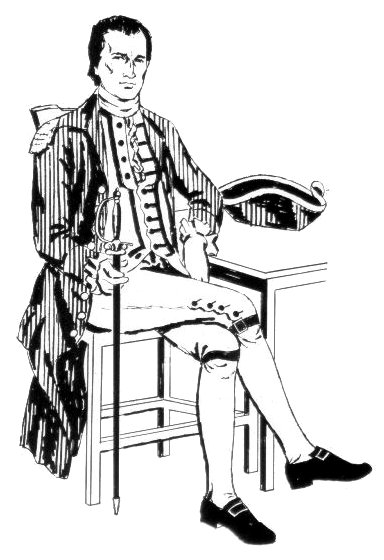

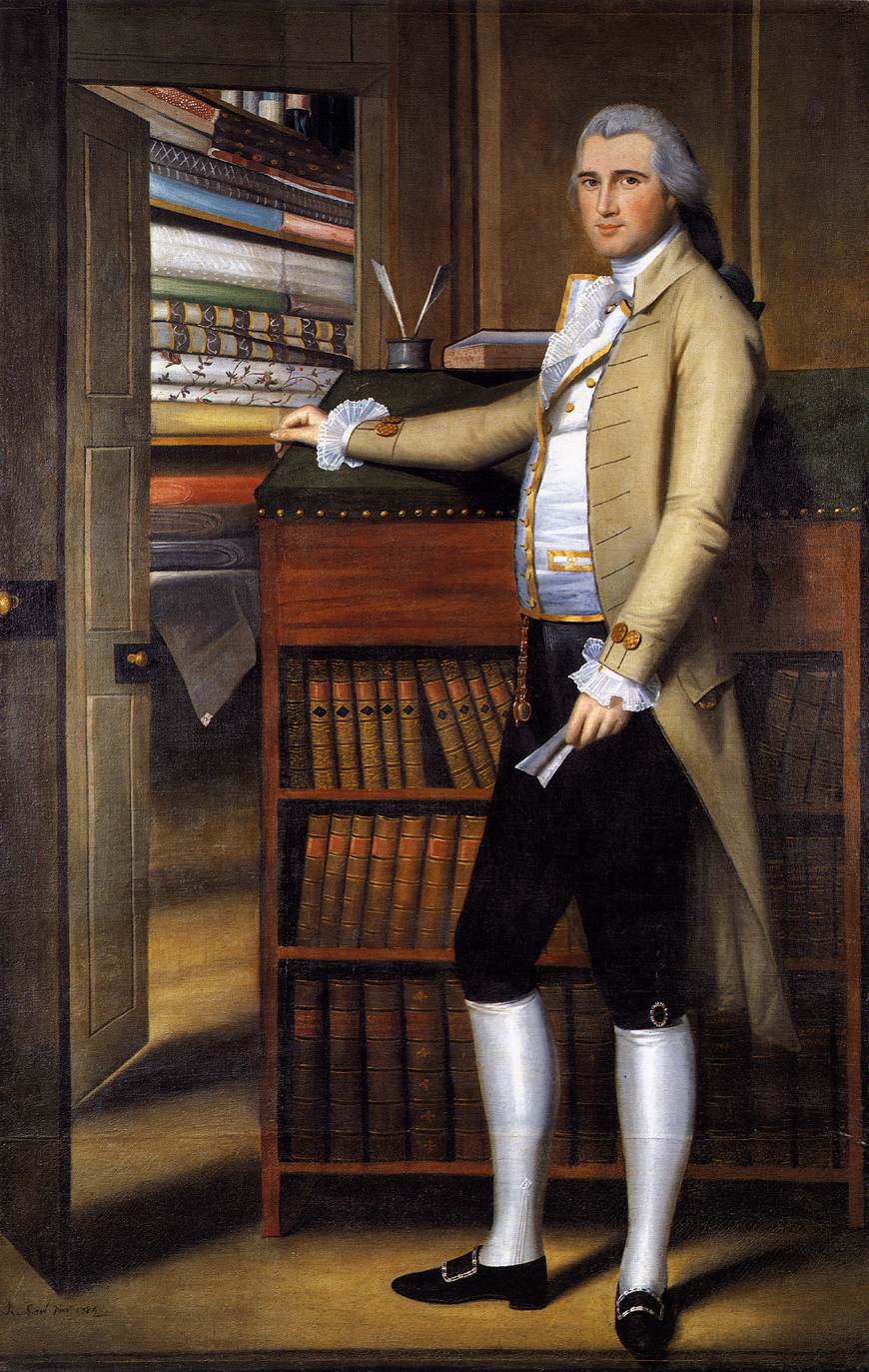
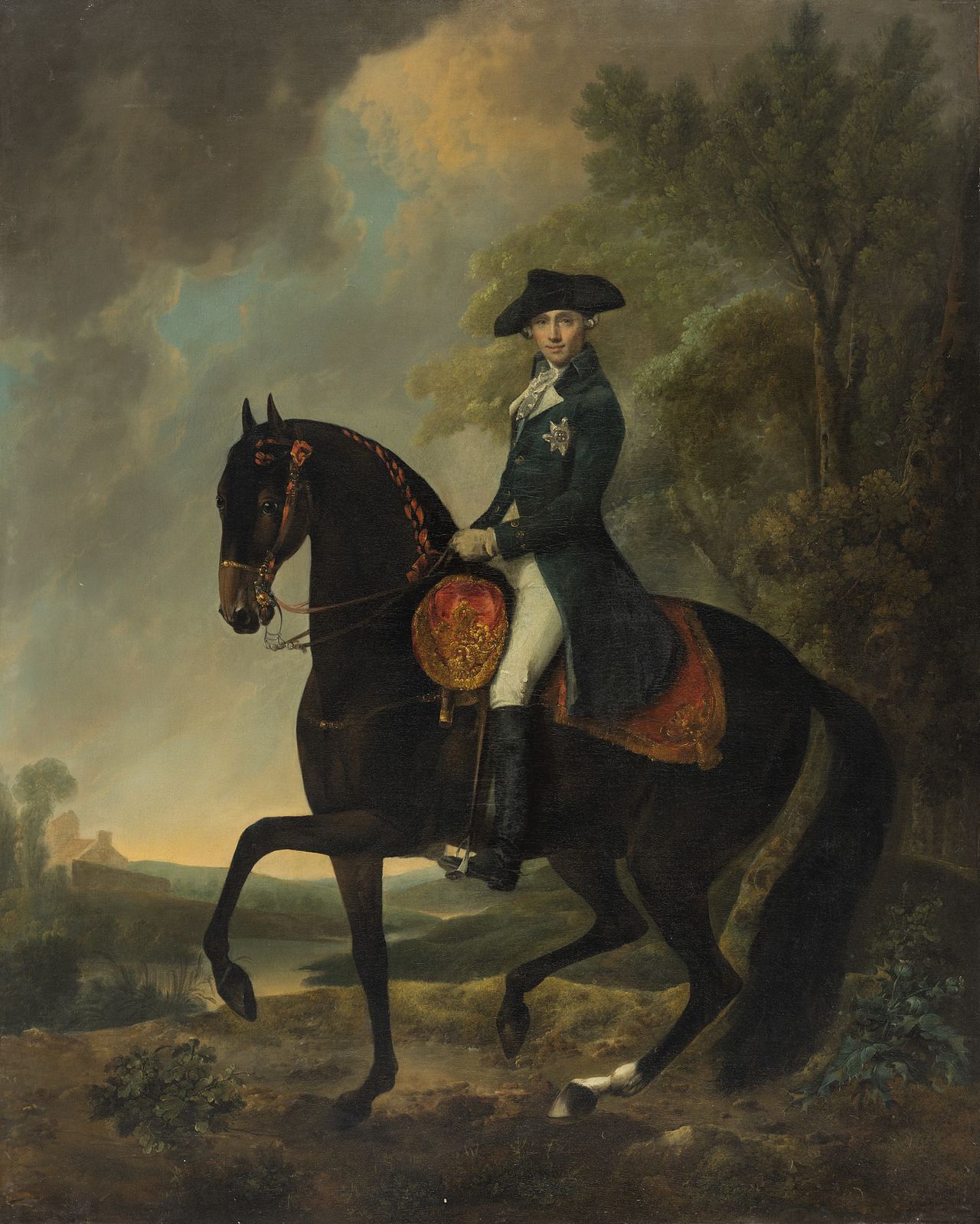

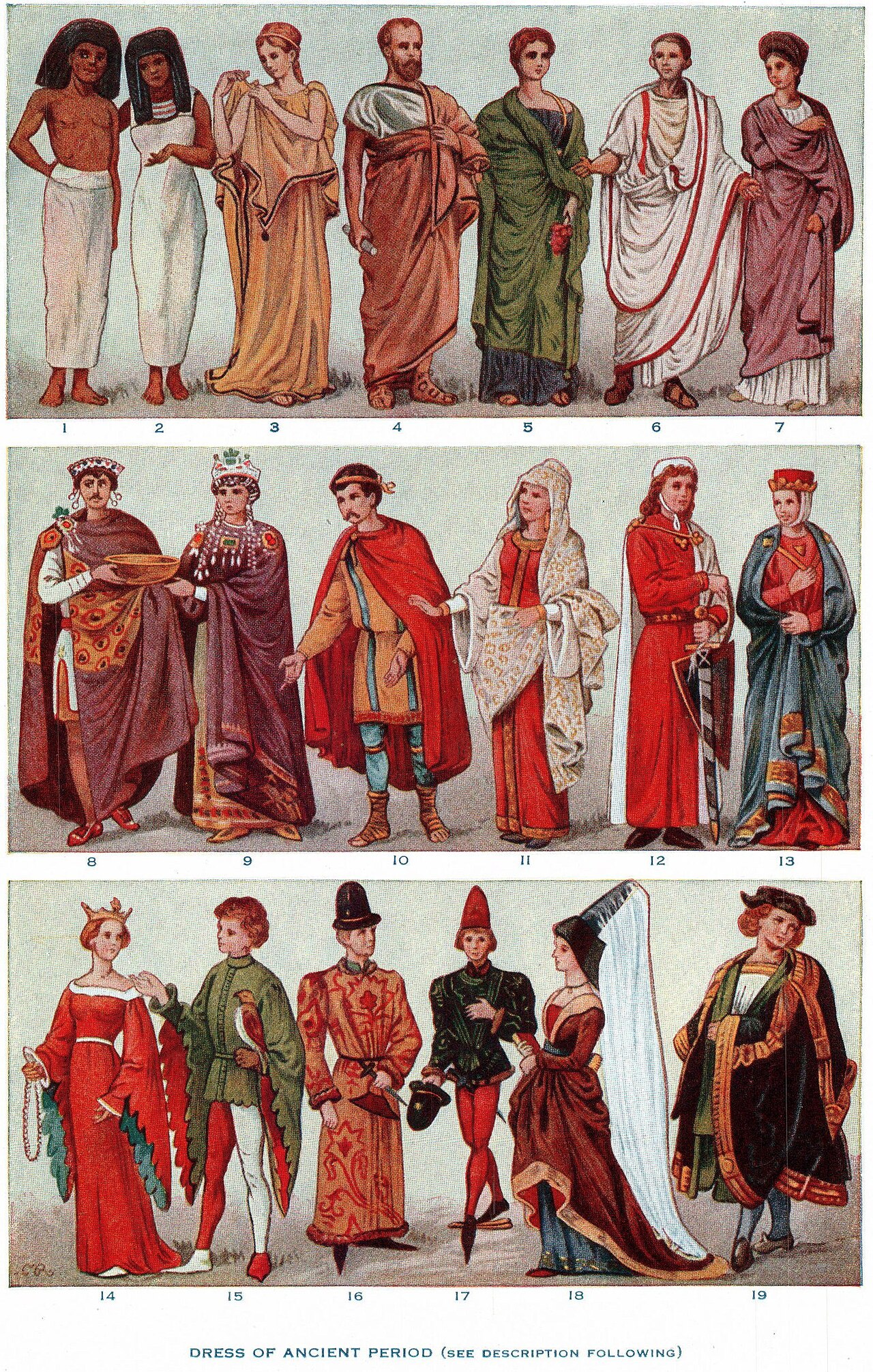

Characteristics and construction
Breeches are usually cut to fit the hips and thighs and fasten at or below the knee. They may close with buttons, buckles, laces, or a fall front, and are commonly worn with stockings or long socks. Materials range from wool and linen to leather and silk, depending on their purpose—practical pairs for riding or labour use differ from ornate, embroidered versions for formal wear.
History and development
From medieval tunic pairings to early modern court dress, breeches were a dominant element of male attire for centuries. Styles evolved — short, full breeches for court; tighter, riding-oriented cuts for equestrian needs; and later transitional designs that led to long trousers. Military uniforms often featured breeches until standardization favored full-length trousers in the 19th century.
Uses and notable contexts
- Equestrian and sporting dress: horseback riders wear fitted breeches that allow movement and comfort.
- Military and formal uniforms: historical uniforms used breeches for mobility and style.
- Ceremonial and cultural: historical reenactment, period theatre, and traditional costume preserve various breech styles.
- Childhood ritual: the "breeching" ceremony marked when a young boy first dressed in breeches rather than gowns—commonly between early childhood years.
Variations and distinctions
Terminology often overlaps: "breeches" and regional forms like "britches" may be used interchangeably, while "pantaloons" and "trousers" refer to later or different-length garments. Modern tailored riding breeches are functionally distinct from historic knee-breeches by fabric, fit and reinforcements for stirrup use.
For further reading on clothing terminology, construction details, historical costume and equestrian apparel see terminology resources, pattern examples at historical patterns, museum collections via curated archives, scholarly articles on dress history at research portals, and practical guides for modern riders at equestrian sources.
Related articles
Author
AlegsaOnline.com Breeches: knee-length trousers, history and uses Leandro Alegsa
URL: https://en.alegsaonline.com/art/13886