
Cape (garment)
Sleeveless outer garment fastening at the neck, worn for warmth, protection, ceremony, and style across cultures from medieval Europe to modern fashion and popular culture.
Overview
A cape is a sleeveless outer garment that drapes over the wearer’s shoulders and fastens at the neck, shoulder or chest. Lengths vary from a short shoulder capelet to a full-length cloak; some capes end at the waist while others reach the ankles. The defining feature is that a cape leaves the arms free while covering the back and torso, distinguishing it from coats and jackets that have sleeves. For a general definition see outer garment.
Image gallery
6 Images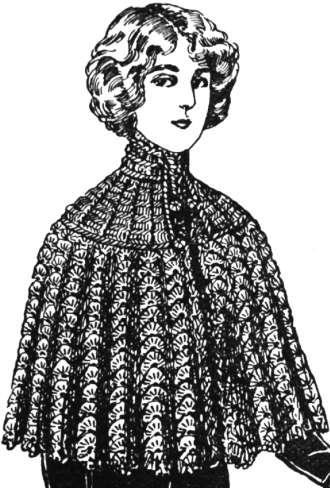


Design and construction
Construction ranges from a simple semicircular or rectangular panel of cloth with a fastening to more elaborate tailored shapes with panels, gussets and linings. Typical elements include a fastening (tie, clasp, hook-and-eye), a collar or neckline, and frequently a hood. Materials vary according to purpose: heavy wool, felt or leather for warmth and wind protection; lighter silks and satins for formal wear; and synthetic waterproof textiles for rain capes. Decorative details such as braid, embroidery, fur trimming or contrasting linings indicate ceremonial or fashionable use.
History and regional forms
Garments meeting the basic description of a cape have been worn across many regions and eras. In medieval Europe capes and cloaks were common, often layered and combined with hoods. Similar outer garments appear in other traditions, from ancient Roman cloaks to various Asian and indigenous wraps; terms and specific forms differ by language and culture. Capes have had periodic returns to mainstream fashion and couture, a pattern often described as recurring fashion cycles.
Practical, ceremonial and institutional uses
Capes serve practical functions such as warmth, rain protection and freedom of movement. Rain capes remain in use as lightweight, quickly donned outerwear and in some uniform contexts as rainwear. Military dress and parade uniforms sometimes include cape-like garments for formal presentation and weather protection; capes or oversleeves occur in a number of military traditions. Likewise, some police forces and civic organizations retain capes for ceremonial occasions.
Liturgical and formal variants
Institutional dress preserves several cape variants. In Roman Catholic use a formal shoulder-length cape called a ferraiolo is worn by clergy for non-liturgical formal events. Academic, judicial and civic robes often include cape-like components (tippets, mantles, or academic hoods) that denote rank or office. Opera capes and evening capes are tailored to complement formal wear.
Culture, symbolism and popular culture
Capes carry symbolic associations of authority, mystery and drama in art, theater and literature. They are a staple of period costume and fantasy genres, and they remain iconic in modern popular culture: many comic-book superheroes are portrayed wearing capes, a visual shorthand for power and spectacle—examples include figures such as Superman and Batman, whose capes are as recognizable as their emblems.
Care, preservation and contemporary fashion
Capes made of natural fibres generally require the same care as comparable garments: brushing, airing and professional cleaning for heavy wool; delicate handling for silk and embellished fabrics. Contemporary designers reinterpret the cape in garments such as cape blazers, ponchos and modular outerwear, keeping the basic principle of a sleeveless draped covering while adapting materials and tailoring for modern lifestyles.
- Common types: hooded cloak, capelet, opera cape, rain cape, ceremonial mantle.
- Materials: wool, leather, waterproof synthetics, silk and blended fabrics.
- Functions: protection, ceremonial display, costume, fashion statement.
Related articles
Author
AlegsaOnline.com Cape (garment) Leandro Alegsa
URL: https://en.alegsaonline.com/art/16733