
Brooch (jewelry)
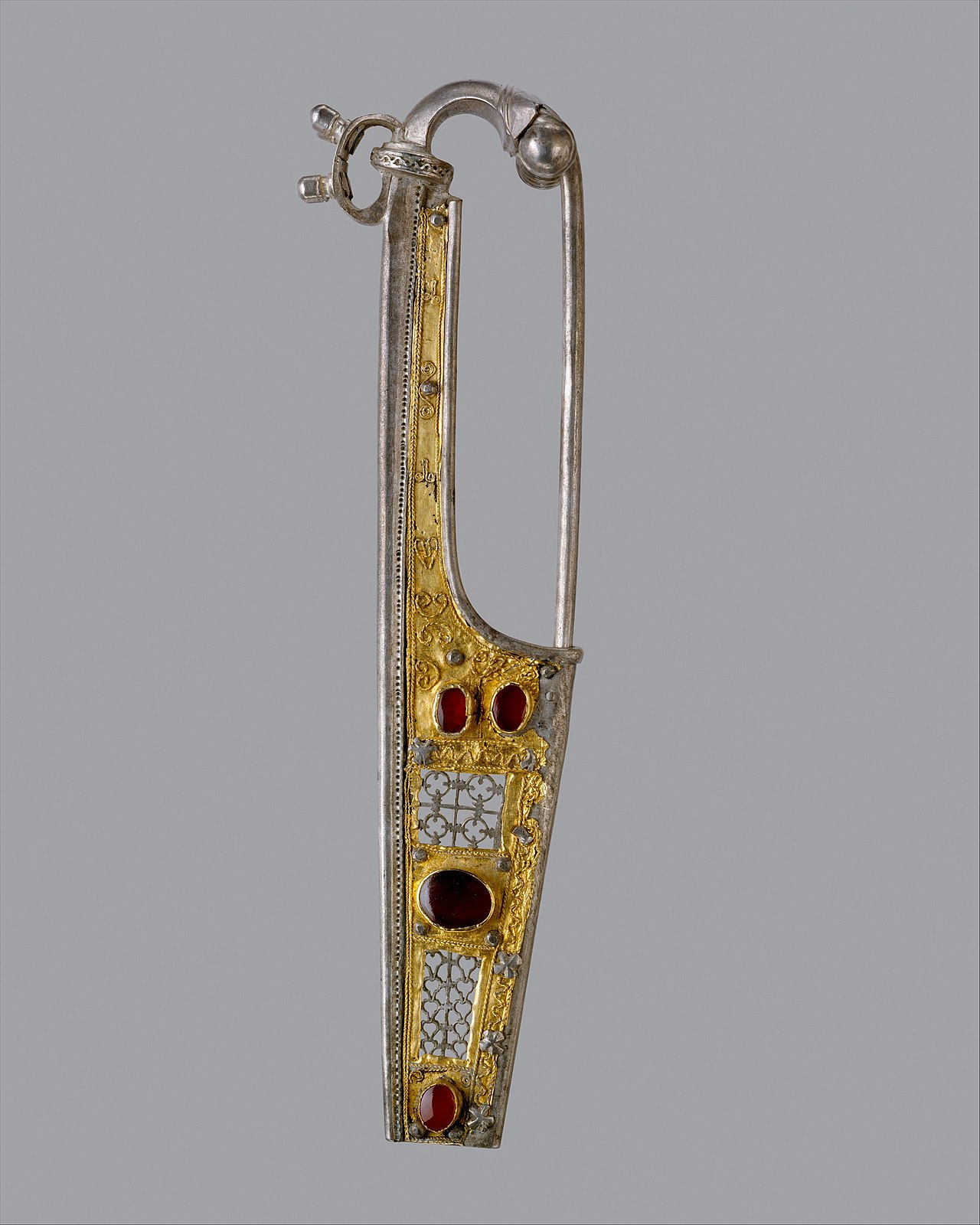
A brooch is a decorative pin or clasp worn on clothing. Originating as functional fasteners called fibulae, brooches later became chiefly ornamental and are made from metals, gems, enamel and other materials.
Overview
A brooch is a piece of jewelry designed to be fastened to clothing. It typically consists of a decorative element attached to a pin and clasp or similar fastening mechanism. Brooches can be worn on a lapel, collar, scarf, hat or cloak and today are most often used as personal ornament or a statement of style rather than as essential garment fasteners.
Image gallery
10 Images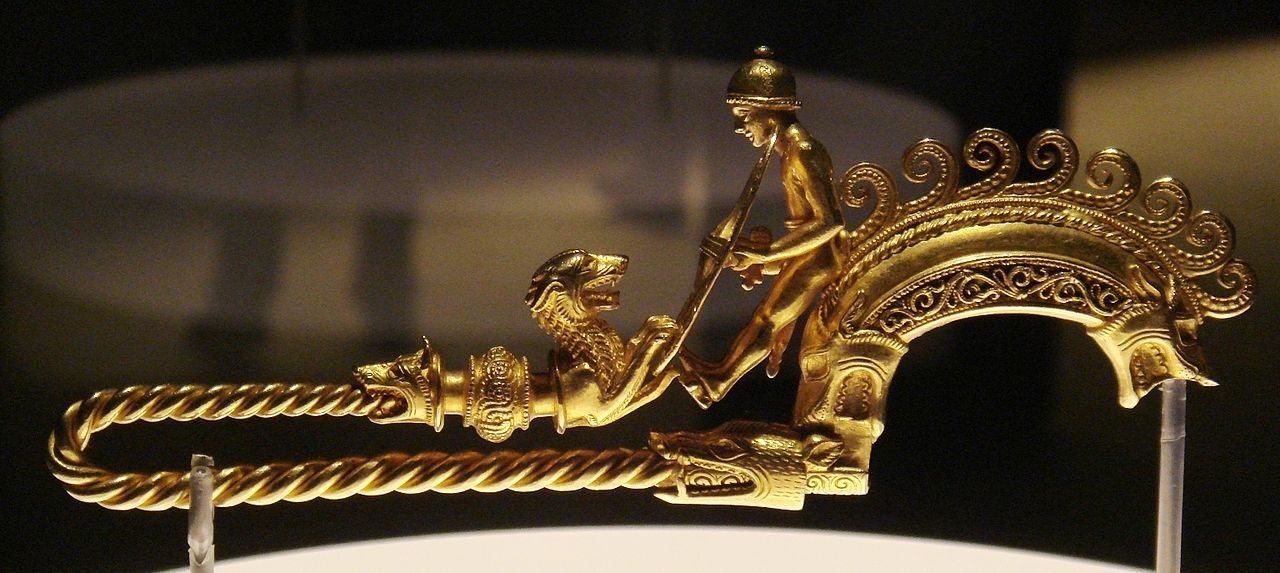



Materials and construction
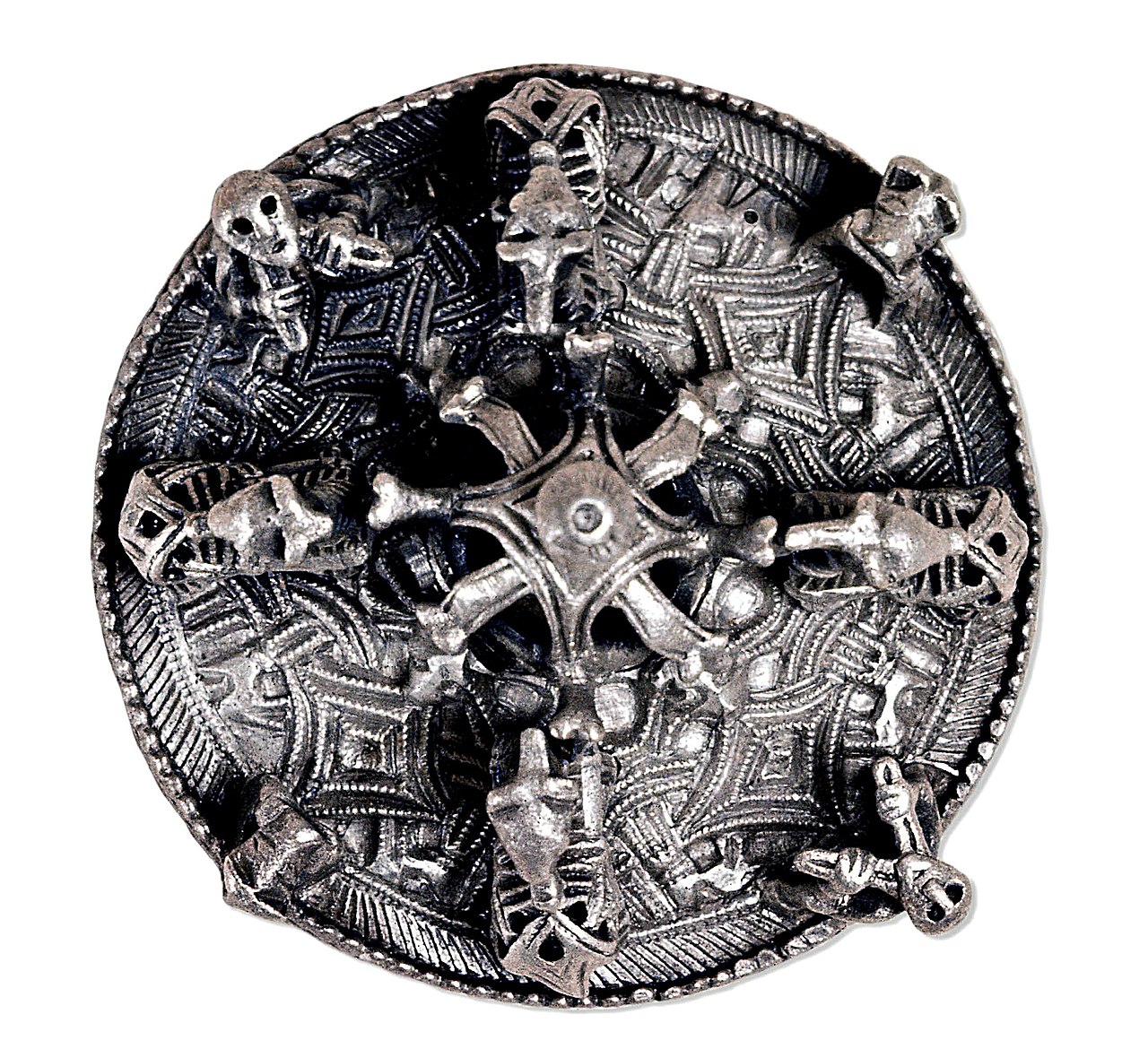
Brooches are created from a wide variety of materials and techniques. Common base metals and precious metals are frequently used, such as base metal alloys, silver, gold and bronze. Gemstones, pearls, enamel, glass paste and carved materials provide surface decoration. Makers also employ methods like filigree, repoussé, chasing, inlay and cloisonné to shape and ornament the piece. Typical structural parts include the decorative plate or setting, a hinge, a pin or stem and a catch to hold the pin in place.
History and development
The brooch has ancient roots. Its functional predecessors, often called fibulae in archaeological contexts, were used across antiquity to secure garments; similar devices appear in Greek, Roman and early medieval finds. Throughout the Middle Ages and into regional traditions, types such as the penannular brooch acquired distinctive shapes and local ornament. Over time brooches collected symbolic meanings: they could indicate social status, affiliation or serve as amulets. In more recent centuries, changes in clothing construction and the advent of modern fastenings reduced their practical role and encouraged decorative, commemorative and fashion-focused designs, including sentimental and mourning brooches popular in the 18th and 19th centuries.
Types and uses
Brooches take many forms and serve several purposes beyond decoration. Some are essentially historic fasteners, others are modern fashion accessories or functional pins that hold heavier garments like kilts and cloaks. They may also act as insignia or badges for organizations, or be created specifically as commemorative or mourning pieces.
- Historic fasteners: fibulae and penannular brooches used in ancient and medieval dress.
- Decorative forms: cameo brooches, floral motifs, animal designs and gemstone settings.
- Functional and ceremonial: kilt pins, cloak pins, military insignia and badge-style brooches.
- Contemporary uses: statement pieces, scarf slides, lapel pins and designer brooches worn for fashion.
Collecting, care and notable facts
Brooches attract collectors and historians because they reflect changing tastes, technologies and trade in materials. Antique brooches can help date archaeological layers and reveal craftsmanship from particular periods. Care involves gentle cleaning appropriate to the materials, avoiding harsh chemicals that harm metals, gemstones or enamels, and ensuring moving parts such as hinges and catches remain functional. When assessing a brooch, experts consider materials, maker or hallmark, condition, provenance and rarity. Although largely ornamental today, brooches still serve as small historical documents and fashionable accessories in many wardrobes.
Related articles
Author
AlegsaOnline.com Brooch (jewelry) Leandro Alegsa
URL: https://en.alegsaonline.com/art/14692