
Brown hair: characteristics, distribution, biology and cultural roles
Overview of brown hair covering pigmentation, genetic and regional distribution, common variations, distinctions from black and blonde, cultural meanings, and basic care and cosmetic changes.
Brown hair is a common human hair color that includes a wide range of shades from light brown through chestnut and chocolate to very dark brown that can appear nearly black. The term brunette is widely used in English and other languages to describe people with brown or dark brown hair. Brown hair is a descriptive category rather than a single uniform trait: its precise appearance depends on pigment type and concentration, hair structure and environmental effects such as sunlight.
Image gallery
10 Images
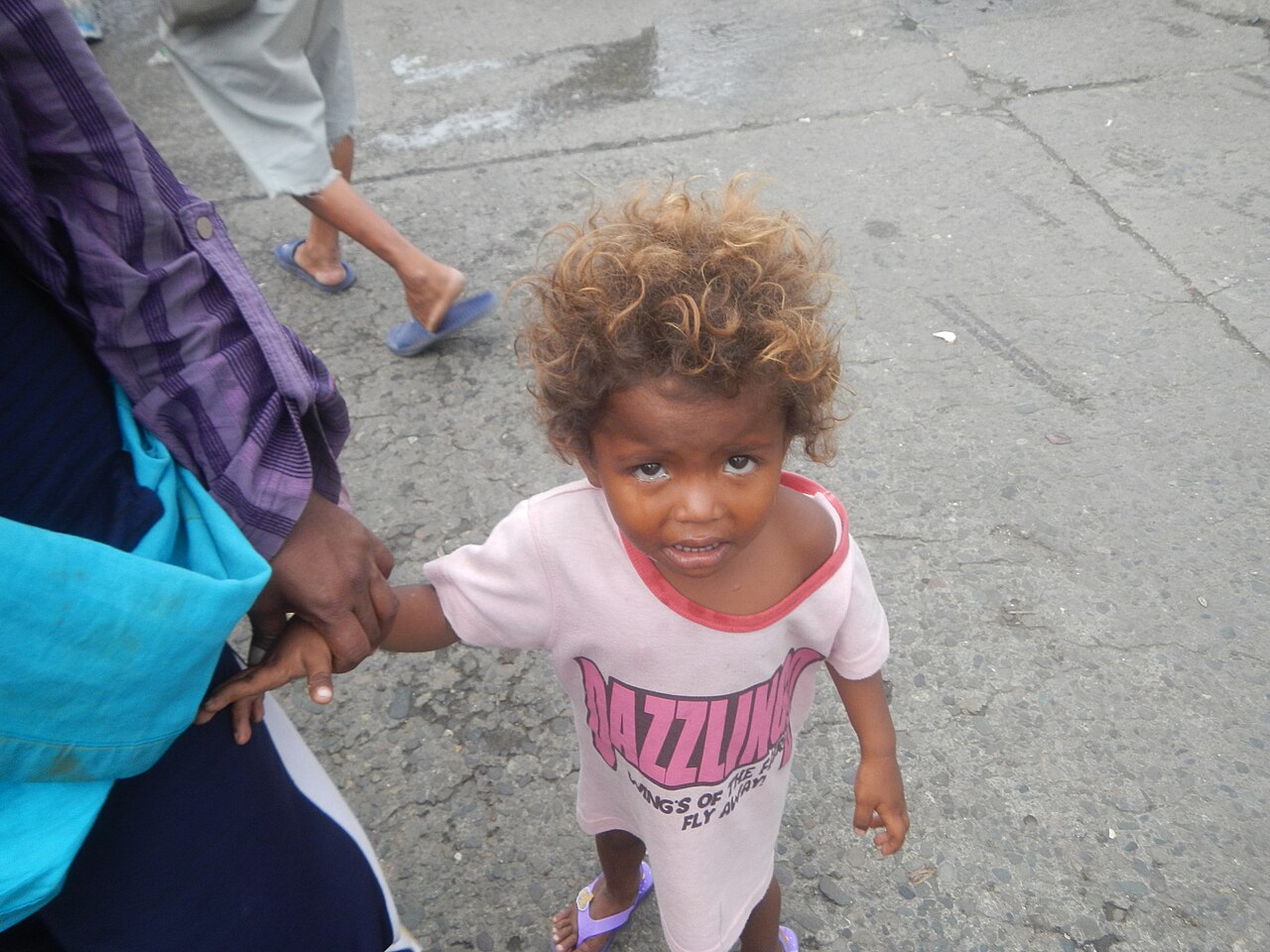


Biology and pigments
Hair color is determined primarily by two pigment types produced by cells called melanocytes: eumelanin and pheomelanin. Brown hair typically has a moderate to high concentration of eumelanin and relatively low pheomelanin. Differences in the amount and distribution of pigment granules, hair shaft thickness and how light scatters from the hair fiber produce the variety of brown shades and subtle warm or cool undertones.
Genetics and variation
Multiple genes influence hair color by affecting melanin production, melanosome biology and pigment distribution. Variation in these genes, and combinations inherited from both parents, lead to the range of brown shades seen within and among populations. Brown hair may change slightly over a lifetime: hair often darkens in childhood, may lighten with prolonged sun exposure, and eventually develops gray as melanin production declines with age.
Geographic distribution
Brown hair is widespread and occurs across many parts of the world. It is especially common in Europe and West Eurasia and is also frequent in parts of Asia, the Americas and other regions due to historical migrations and genetic mixing. Global patterns reflect complex ancestry, local adaptation and demographic history rather than a single origin for brown hair.
Cultural meaning and terminology
Term usage and cultural associations vary by society and historical period. In many languages the adjective equivalent to brunette denotes brown or dark hair. Brown hair has carried diverse symbolic and aesthetic connotations in art, literature and popular culture, and its social meanings depend on local beauty norms and historical contexts.
Care, cosmetics and health
- Basic care: cleansing, conditioning and UV protection help preserve tone and shine; color-protecting products are commonly used to maintain dyed hair.
- Cosmetic change: many people alter brown hair with dyes, highlights, lowlights or bleaching to achieve different shades or effects.
- Health: hair appearance can be influenced by nutrition, hormonal changes and medical conditions, so sudden, widespread changes in hair color or texture warrant medical attention.
Distinctions and related colors
Brown hair is distinct from black hair primarily by lower overall eumelanin concentration; black hair contains very high eumelanin and appears darker under most lighting. It is also distinct from blonde (much lower eumelanin) and from red or auburn hair, which shows a stronger pheomelanin component that produces red tones.
Further reading
- Genetics and pigment biology
- Regional distribution and anthropology
- Cosmetic treatments and color care
- Cultural history of hair color terminology
Because brown hair covers a broad continuum of shades and causes, it remains a common topic in studies of human variation, identity, fashion and cultural symbolism. Understanding its biological basis and social contexts helps clarify why the same descriptive word can encompass many different appearances and meanings.
Related articles
Author
AlegsaOnline.com Brown hair: characteristics, distribution, biology and cultural roles Leandro Alegsa
URL: https://en.alegsaonline.com/art/14786