
Brazilwood (Pau-Brasil, Pernambuco): timber, dye, and cultural history
Brazilwood (Pau-Brasil, Paubrasilia/ Caesalpinia echinata) is a dense, orange-red tropical hardwood prized for red dye and for making Pernambuco violin bows; historically important and now conservation-sensitive.
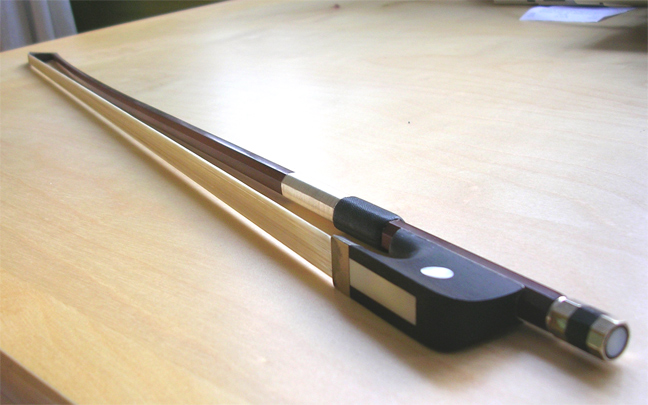
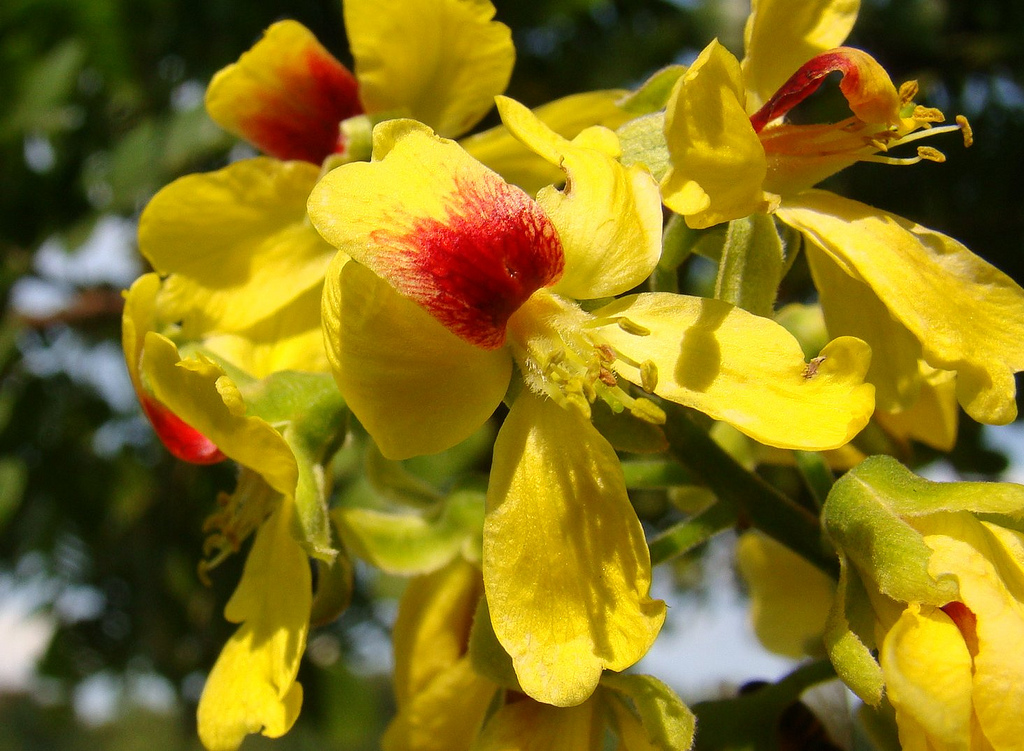
Brazilwood, commonly called pau-brasil or Pernambuco, refers primarily to the species Paubrasilia echinata (formerly Caesalpinia echinata) and to several related tropical trees valued for their reddish heartwood. Native to the Atlantic Forest of eastern South America, the tree produces a dense, orange-red heartwood that takes a high polish and yields a red dye known as brazilin. The wood’s combination of weight, stiffness and responsiveness has made it highly prized in both decorative woodworking and in the manufacture of string-instrument bows.
Image gallery
10 Images





Physical characteristics and material properties
Brazilwood is a compact hardwood with fine to medium texture and often interlocked grain. The heartwood is distinctly colored and can range from deep orange to richer reds; the sapwood is paler. Its density and elasticity give the wood excellent resilience under bending, a quality exploited by bow makers who require a material that stores and releases energy predictably. The wood polishes to a glossy finish and is also used for veneers, inlay and small turned objects.
History and cultural importance
European contact with Brazil in the early 16th century quickly turned the wood into a highly sought commodity because of the dye extracted from its heartwood. The Portuguese exporter Pedro Álvares Cabral and other early explorers found vast stands of the tree along the coast, and its commercial importance was instrumental in the colonial economy. Indeed, the country name Brazil derives from pau-brasil, reflecting the centrality of this resource in early encounters and trade.
Uses and examples
- Traditional: extraction of red dye (brazilin) for textiles and pigments.
- Musical instruments: Pernambuco wood is widely regarded as the premier material for high-quality bows used with instruments of the violin family.
- Woodworking: fine furniture, decorative objects and small turned items where a dense, attractive wood is desired.
Conservation and modern context
Centuries of intensive harvesting, combined with large-scale habitat loss in the Atlantic Forest, have drastically reduced natural populations of brazilwood and fragmented its range. Today the species is considered vulnerable in conservation terms and is subject to legal protection and trade controls in several jurisdictions. The scarcity of top-quality Pernambuco has encouraged bow makers to conserve old stock, to use alternative materials (including composite and synthetic options), and to support reforestation and selective plantation efforts aiming to restore the species in its native range.
Notable distinctions: the name "brazilwood" is sometimes applied to other dyewoods with red heartwood, but in musical and historical contexts it usually denotes Paubrasilia echinata or the closely related Pernambuco-timber used by luthiers. Research into sustainable cultivation, wood substitution and heritage conservation continues to shape how the species is used and protected.
For further reading and sources on historical trade, dye chemistry and conservation programs see specialized botanical and music-instrument literature, or consult regional conservation agencies and botanical gardens that maintain restoration projects and propagation information. Brazil, colonial records, and modern craft organizations all document different aspects of the tree’s importance and its ongoing management challenges.
Related articles
Author
AlegsaOnline.com Brazilwood (Pau-Brasil, Pernambuco): timber, dye, and cultural history Leandro Alegsa
URL: https://en.alegsaonline.com/art/13813
Sources
- iucnredlist.org : iucnredlist.org/details/33974/0