
Pedro Álvares Cabral
Portuguese nobleman and navigator who led the 1500 expedition that made the first recorded European landfall in Brazil and helped open trade routes to India.
Overview
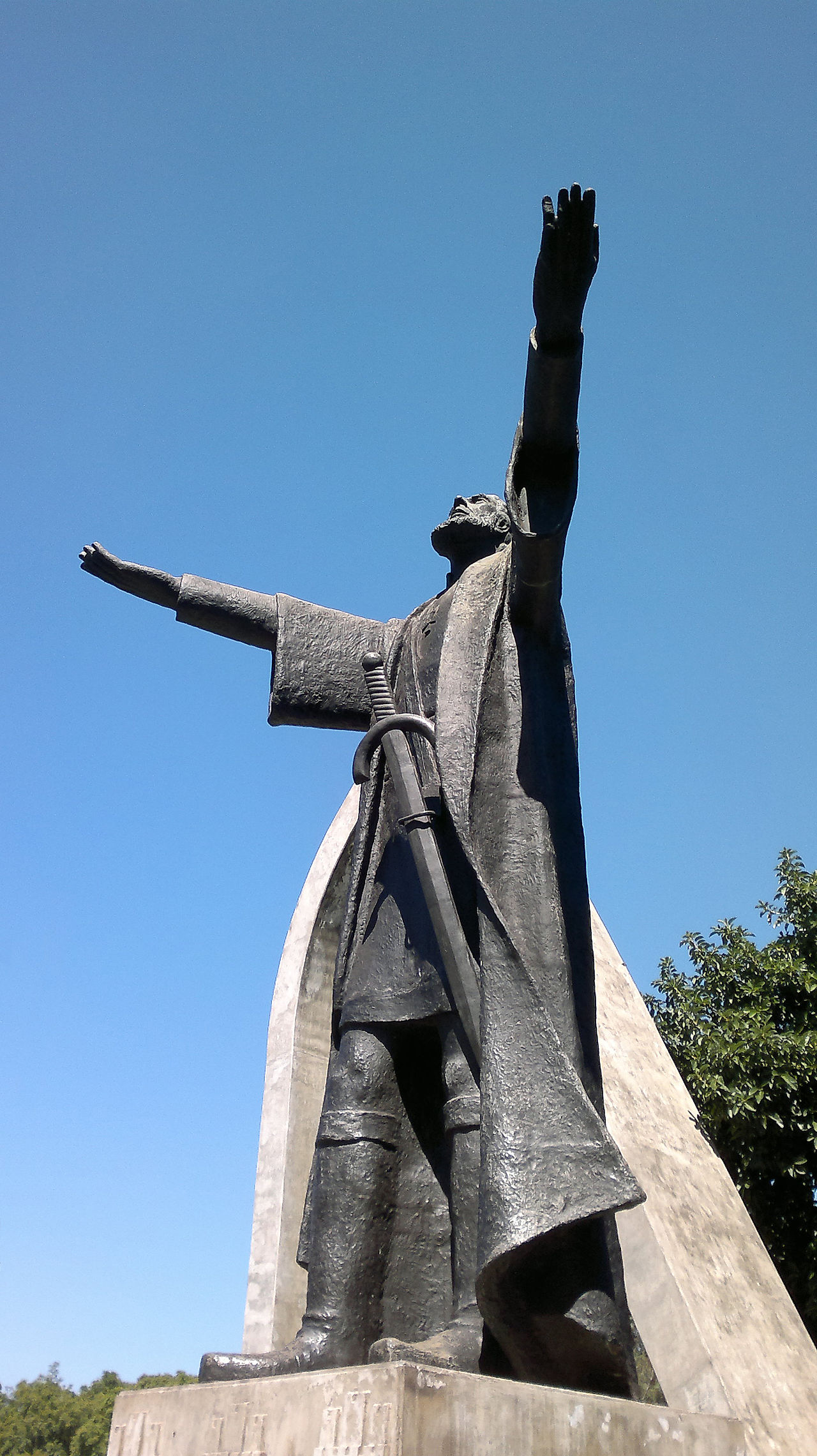
Pedro Álvares Cabral (c. 1467/1468–c. 1520) was a Portuguese nobleman and seafarer who commanded the 1500 fleet that made the first firmly dated European landfall on the coast of what is now Brazil. Born into the landed gentry of Belmonte, Cabral belonged to the generation of navigators who followed Vasco da Gama's pioneering voyage to India and who consolidated Portugal's maritime presence across the Atlantic and around Africa. He combined roles as an aristocrat, military commander, and colonial agent during the early phase of the Portuguese maritime empire.
Image gallery
10 Images




Voyage of 1500 and the discovery of Brazil
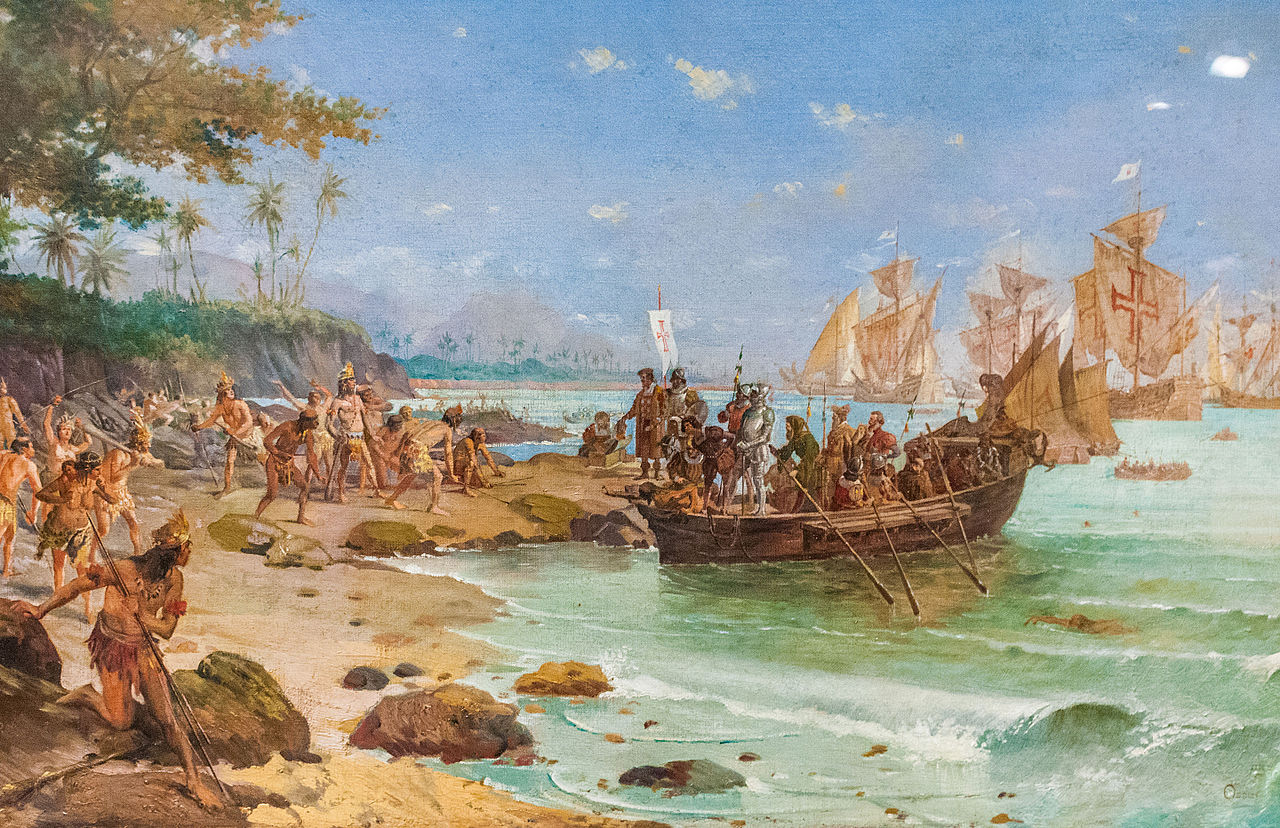
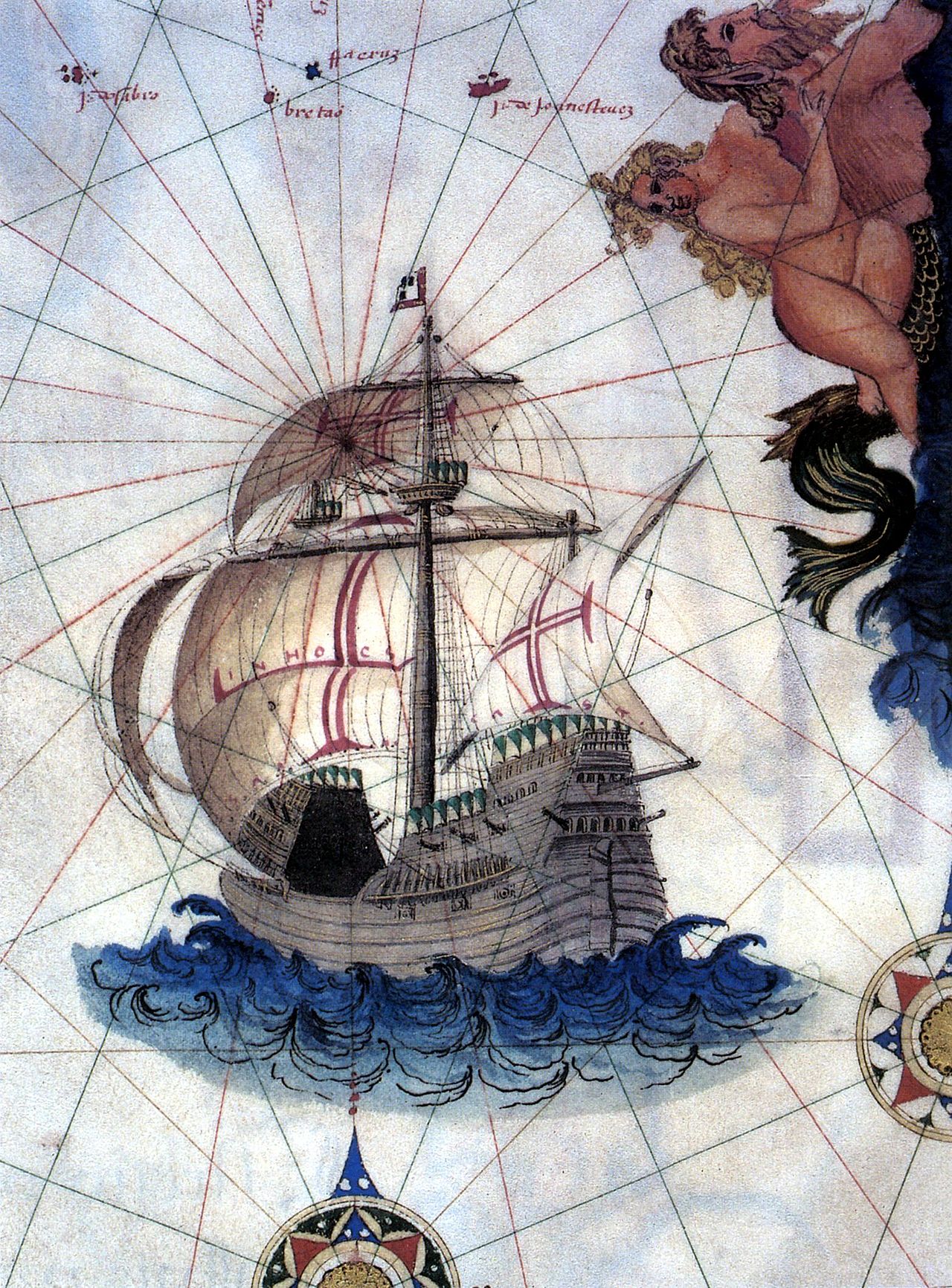
In March 1500 King Manuel I appointed Cabral to lead a squadron intended to follow the eastern sea route to India. The fleet of about thirteen ships left Lisbon on 9 March and pursued the established route that made use of the Atlantic wind systems, a navigational practice sometimes called the volta do mar. On 22 April 1500 Cabral's expedition sighted and made landfall on the South American coast. He claimed the territory for Portugal, initially calling it Ilha de Vera Cruz (Island of the True Cross). The claim fell within the Portuguese sphere as defined by the Treaty of Tordesillas (1494), a context that historians cite when discussing whether the voyage's westward swing was accidental or deliberate.
From Brazil to India: losses and trading successes
After spending about ten days ashore—during which the crew explored, repaired ships, and took on provisions—Cabral resumed the voyage to India. The journey remained perilous: several vessels were lost in storms near the Cape of Good Hope and others were dispersed. At Calicut (Kozhikode) tensions with established Arab and Indian traders culminated in violence, and Cabral lost men in attacks on his shore party. Despite these setbacks, he secured a profitable commercial foothold by establishing friendly relations and trade at Cochin and other ports, acquiring spices that were among the chief objectives of the expedition.
Return and later life
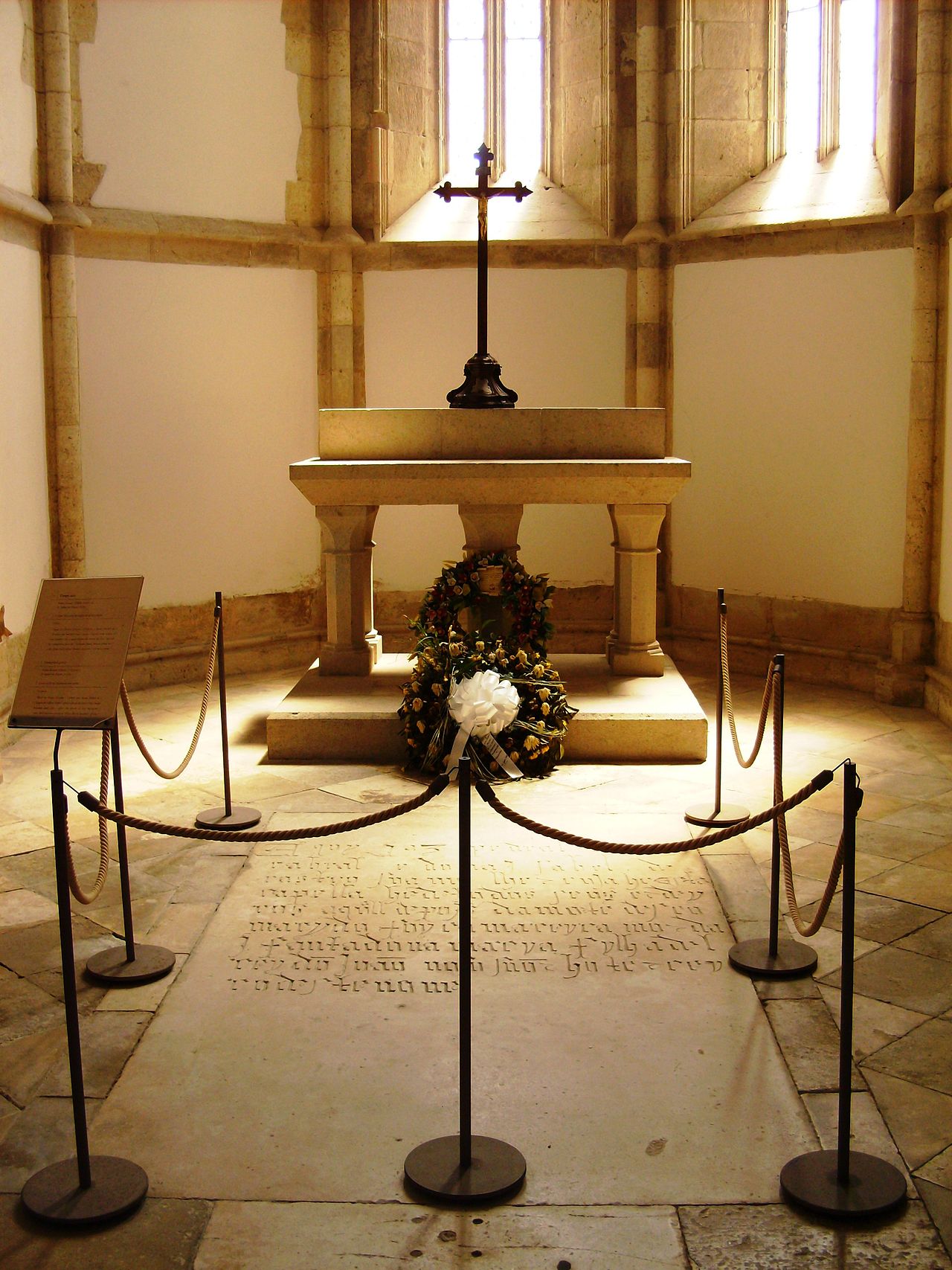
Cabral returned to Portugal in mid-1501 with a reduced squadron—only a handful of the original ships survived the round trip—and with a valuable cargo of spices. Although his voyage had achieved both a territorial claim in South America and commercial gains in the Indian Ocean, he declined further sea commands and retired to his estates around Santarém. King Manuel I named Vasco da Gama to lead subsequent armadas to the Indian Ocean. Cabral died around 1520 and was buried in a religious house in Santarém.
Significance and historical debate
Cabral's expedition is credited with bringing Brazil into European maps and into the Portuguese imperial system. The landing set in motion colonization and exploitation that would transform the continent's Atlantic coast over the following centuries. Historians debate whether Cabral's landfall was the result of intentional exploration along the western limits of Portuguese claims or an unintended consequence of routine navigational practice; the distance westward needed to reach Brazil is consistent with the contemporary use of broad Atlantic circuits to find favourable winds.
Notable facts
- Cabral was a Portuguese nobleman by birth and a trained navigator.
- He followed the route established by Vasco da Gama on the outward leg and combined Atlantic sailing with an Indian Ocean mission.
- His fleet made the first recorded European landfall on the Brazilian coast (Brazil) on 22 April 1500.
- Several ships were damaged or lost near the Cape of Good Hope, and fighting at Kozhikode (Calicut) resulted in casualties.
Today Cabral is remembered both as the commander who put Brazil on European charts and as a figure who illustrates the risks, violence, and commercial ambitions of early Portuguese expansion. His voyage linked Atlantic discovery with Indian Ocean trade and helped shape the geopolitical and economic patterns of the 16th century.
Questions and answers
Q: Who was Pedro Álvares Cabral?
A: Pedro Álvares Cabral was a Portuguese nobleman, navigator and explorer who was the first European to see Brazil.
Q: When did he first sight land in Brazil?
A: He sighted land in Brazil on 22 April 1500.
Q: What name did King Manuel I give this new land?
A: King Manuel I initially named the new land "Island of the True Cross" but later renamed it "Holy Cross". It was eventually renamed once again to "Brazil".
Q: What happened during his journey to India?
A: During his journey to India, Cabral suffered storms and destruction of some ships at the Cape of Good Hope, and fighting against Muslim traders in Calicut, India (50 men of Cabral were killed in this attack).
Q: Where did he successfully trade for spices?
A: He successfully traded for spices in Cochin, now called Kozhikode, India.
Q: How many ships returned with him from his expedition?
A: Only 5 out of 13 ships returned with him from his expedition.
Q: Why did King Manuel I appoint Vasco da Gama to head the next expedition instead of Cabral?
A: After his return from India, Cabral refused to command another expedition so King Manuel I appointed Vasco da Gama instead.
Author
AlegsaOnline.com Pedro Álvares Cabral Leandro Alegsa
URL: https://en.alegsaonline.com/art/128382