
Landlord: owners of rented property — roles, history, and responsibilities
A landlord owns land or buildings and makes them available to others for a fee. This article explains types of landlords, common duties, historical origins, financing, legal context, and notable distinctions.
A landlord is an individual or organization that owns real property — such as housing, commercial premises, or land — and permits others to use it in return for payment. Modern landlords range from small private owners to large corporations and investment funds. The term can describe a businessperson who holds property or a formal company that manages portfolios of buildings. Landlords charge rent and typically enter into leases or rental agreements that set out the rights and duties of both parties.
Image gallery
3 Images

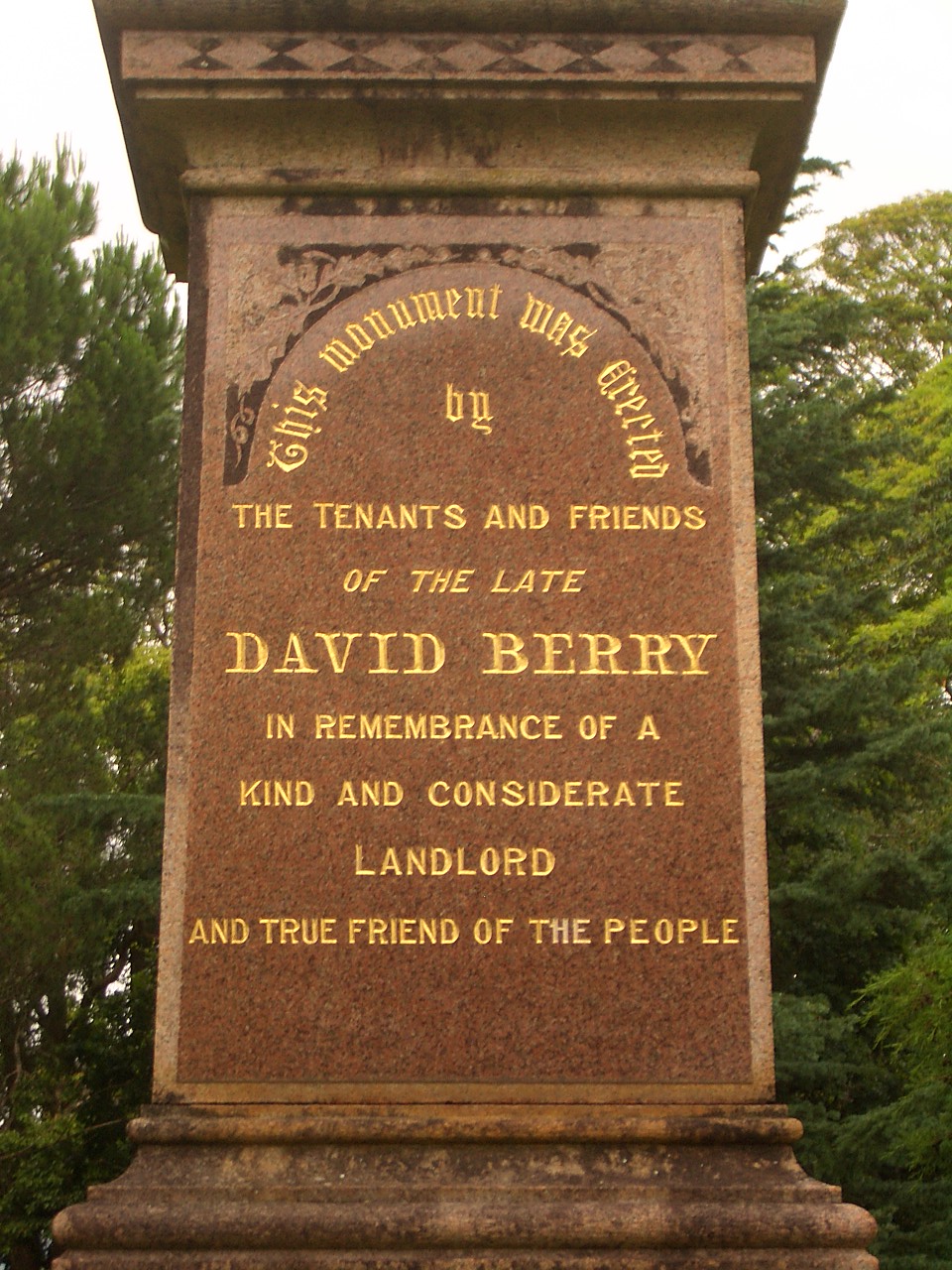
Typical characteristics and responsibilities
Landlords commonly perform or arrange a set of functions that keep a property habitable and commercially viable. These include maintaining structure and systems, collecting rent, arranging repairs, complying with health and safety and local housing standards, and handling tenancy paperwork. Some owners act directly while others hire professional managers to carry out day-to-day tasks. Distinct roles often appear in practice:
- Private landlords: individuals who own one or a few units and may live off-site or in a separate dwelling.
- Professional landlords and property managers: those who manage multiple properties as a business.
- Institutional owners and REITs: large-scale investors that own extensive real estate portfolios.
History and origins
The concept of a landowner who permits others to work or live on land dates back centuries. The English word "landlord" reflects a medieval usage: a person who owned land often exercised local authority as a lord and participated in local government. Over time, social and economic changes shifted many historic landlord–tenant relations toward market-based leases and a separation of landholding from political power. The rise of urban housing markets, industrialization, and modern finance broadened who could be a landlord and how properties were funded.
Financing, economics, and risks
Many landlords acquire property with borrowed funds, using mortgages or other loans to purchase investments. Reliance on debt means rental income must be sufficient to cover mortgage payments, taxes, insurance and upkeep. Ownership brings potential income and capital appreciation but also exposure to vacancies, nonpayment of rent, maintenance costs, and regulatory change. Some owners specialize in short-term rentals or commercial leases, which have different income profiles and legal frameworks.
Legal context, tenancy relations, and notable distinctions
Landlord–tenant relationships are regulated by law in most jurisdictions. Regulations commonly address lease formation, security deposits, eviction procedures, habitability standards, anti-discrimination rules, and sometimes rent control. It is useful to distinguish landlords from property managers (who may act on an owner's behalf) and from owner-occupiers (who live in the same unit). Residential, commercial and agricultural tenancies follow different rules and conventions in many countries.
Examples of landlords vary from individuals who rent a single flat to high-profile figures and corporations. Public attention sometimes focuses on well-known property owners in media and politics; one widely recognized example of a large-scale owner in recent decades is Donald Trump. For further reading and practical guidance, sources on business practice, company structures, and buildings and land management can provide context: see entries on businessperson, company, buildings, land, and rental law resources at historical background and financing discussions at mortgage financing.
Understanding the role of a landlord requires attention to local law and market practice. Whether a small-scale private owner or an institutional investor, landlords participate in the housing and commercial property systems that affect tenants, neighborhoods, and broader economies. Practical matters such as lease terms, maintenance responsibilities, and dispute resolution often determine how well a rental arrangement works for both owners and occupants.
For specialized or up-to-date legal and financial advice consult dedicated resources and local regulators; general overviews and comparative discussions can be found through academic and professional sources such as property law texts, housing policy analyses, and market reports (rent, local regulation, land, buildings, historical context).
Related articles
Author
AlegsaOnline.com Landlord: owners of rented property — roles, history, and responsibilities Leandro Alegsa
URL: https://en.alegsaonline.com/art/55823