
British National Party: history, ideology, and political impact
Overview of the British National Party (BNP): its origins, leadership, ideology, electoral history, controversies, and role in UK politics.
The British National Party (BNP) is a political organization in the United Kingdom that rose to prominence as a far-right formation. It traces its roots to the early 1980s and has been associated with British nationalism, anti-immigration policies and right-wing populist rhetoric. The party has attracted attention for its attempts to combine nationalist messaging with an electoral strategy aimed at working-class voters.
Image gallery
10 Images


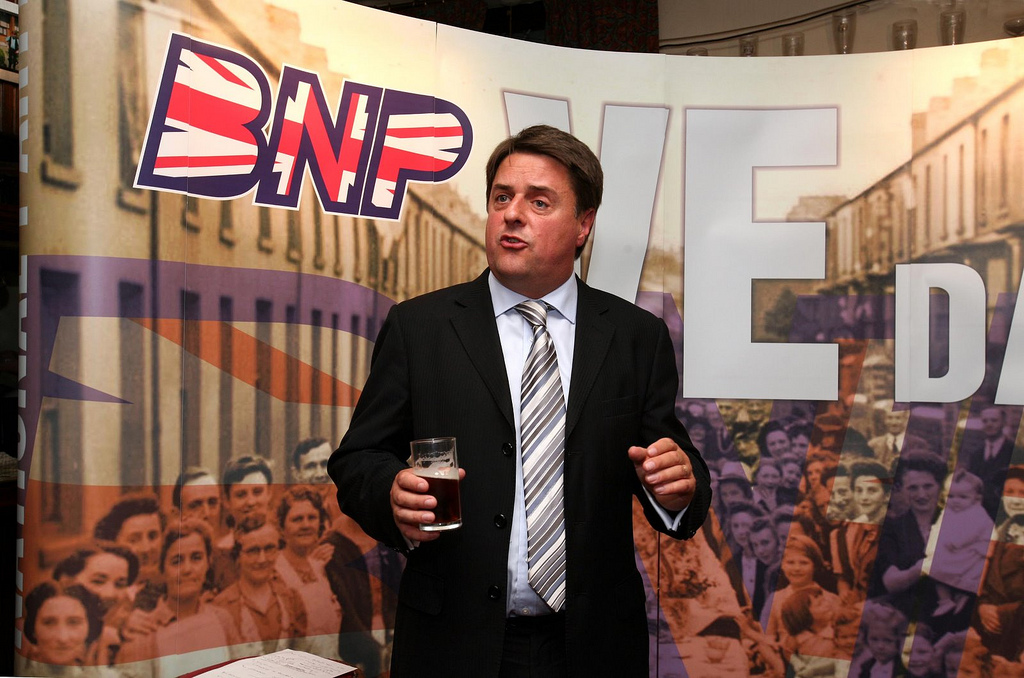


Origins and organisational development
The BNP was founded in 1982 by activists who had previously been involved in other nationalist groups. Early leadership sought to build a permanent party structure and contest local elections. Over time the BNP developed local branches, produced publications and stood candidates at multiple levels of government.
Key figures have included its founder and early organiser, later leaders who sought to change its public image, and members who subsequently left to form rival groups. Notable names associated with the party include John Tyndall and Nick Griffin, and a later leadership figure is Adam Walker. Internal disagreements prompted departures and the creation of splinter parties in the following decades.
Ideology and policy positions
The BNP’s platform has been defined by a focus on national identity, restrictive immigration policies and criticism of multiculturalism. Its rhetoric often emphasises preserving what it describes as British cultural traditions and sovereignty. Economically, the party has at times adopted positions described as right-wing populist or influenced by so-called Third Position ideas.
Critics and many mainstream commentators characterise the BNP as extremist and accuse it of promoting racist views; the party and its supporters reject some of those labels and present their policies as defending national interests. Public and legal scrutiny of its statements and practices has played a major role in shaping its reputation.
Electoral record and public profile
The BNP achieved some local council representation in the 2000s and won seats in the European Parliament in 2009, when two of its candidates were elected as MEPs. It did not secure representation in the UK House of Commons, and its electoral support declined after the early 2010s; high-profile losses and internal splits reduced its presence in elected bodies.
- Founding and leadership: original founders and subsequent leaders shaped strategy.
- European Parliament: seats were won at one point but later lost.
- Local government: the party held various council seats before a period of decline.
Controversies, splits and legal matters
The BNP’s history includes high-profile controversies, internal disputes and challenges from former members. Some senior figures left to form other organisations, including a group established by a former BNP member who wished to pursue a different organisational model. The party has been the subject of criticism from political opponents, civil-society groups and parts of the media for positions perceived as exclusionary.
Examples of organisational change include the departure of prominent members who later founded or joined alternative parties, reflecting disagreements about strategy and ideology. These departures affected the BNP’s capacity to present a unified electoral front.
Role and legacy in UK politics
The BNP has influenced debates about immigration, identity and the boundaries of acceptable political discourse in the UK, prompting responses from established parties and civil society. While it has not become part of the political mainstream, its existence contributed to wider conversations about how the British political system handles radical or fringe movements.
For further context and reporting, see contemporary analyses produced by news organisations and academic studies that trace the party’s development, electoral performance and social impact. Additional material is available through public records and archives for those researching modern British political movements.
Related resources: policy summaries, electoral data, ideological analyses, leader biographies, European Parliament records, UK parliamentary resources, accounts of party splits.
Related articles
Author
AlegsaOnline.com British National Party: history, ideology, and political impact Leandro Alegsa
URL: https://en.alegsaonline.com/art/14281