
County Monaghan: landscape, history and cultural profile
County Monaghan (Irish: Contae Mhuineacháin) in the province of Ulster, Ireland. Known for drumlin landscape, lakes, agriculture, small towns and cross‑border location adjoining Northern Ireland.
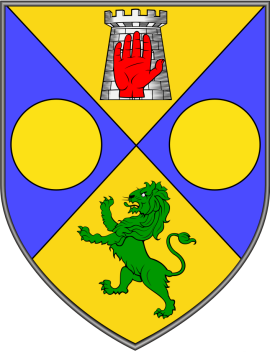
County Monaghan is a county in Ireland that forms part of the historic province of Ulster. Its Irish name is given as Contae Mhuineacháin, and the county takes its modern name from the county town of Monaghan. Located along the border with Northern Ireland, Monaghan is included in Ireland’s Border Region and is known for a largely rural character and dispersed small towns.
Image gallery
7 Images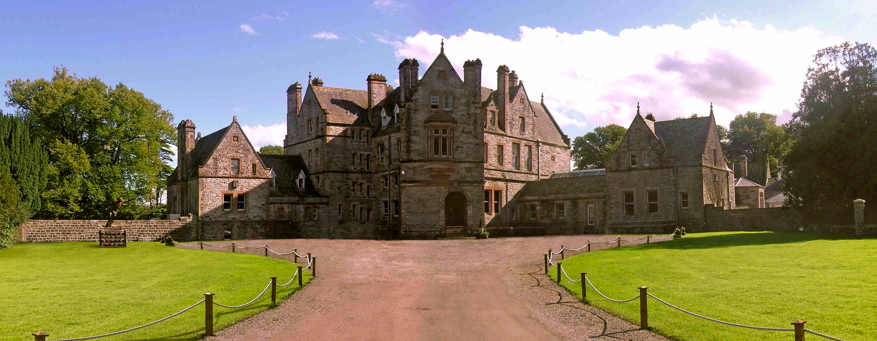



Geography and landscape
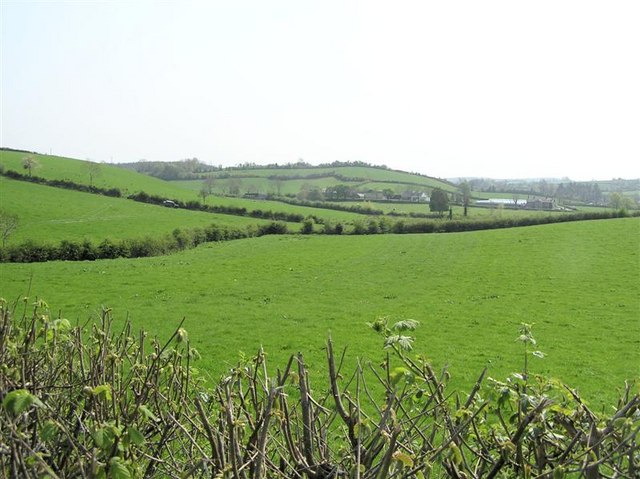
Monaghan’s countryside is dominated by a rolling drumlin belt — a patchwork of small, elongated hills, farmland and numerous small lakes or loughs. These landforms were shaped by glacial action and give the county a distinctive, hummocky appearance. Pockets of peatlands and mixed conifer plantations occur in places, and upland areas near shared borderlands provide locally higher ground and scenic walks.
History and settlement
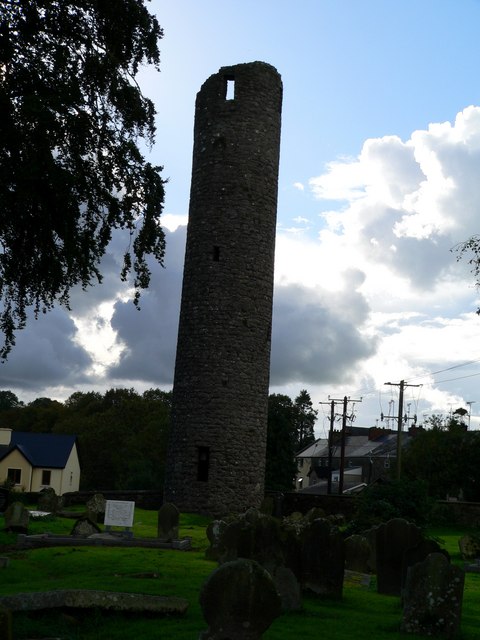
The area has been inhabited since prehistoric times and contains archaeological traces from various periods. Over centuries Monaghan was influenced by Gaelic lordships, later Norman incursions and the wider political changes affecting Ulster. In the 20th century the creation of the border following partition of the island affected trade, transport and communities in different parts of the county.
Economy, transport and towns
Traditional agriculture — especially cattle and dairy farming — remains important in Monaghan’s economy, together with small‑scale industry, services in the principal towns and cross‑border commerce. The county town, Monaghan, is the administrative and commercial centre. Other notable centres include:
- Monaghan (county town)
- Castleblayney
- Carrickmacross
- Clones and Ballybay
Roads link these towns to neighbouring counties and across the border; public transport provision is variable and many communities rely on private cars.
Culture and notable features
Monaghan has an active cultural life with community festivals, traditional music, museums and sporting life centred on Gaelic games. The county has preserved local heritage through small museums and historical societies. It is one of Ireland’s more rural counties by population and retains a reputation for scenic rural lanes, lough shores and accessible outdoor recreation.
Further reading and official information can be found via county and provincial resources such as local councils and tourism bodies; for administrative and cultural context see the entries on county governance, the province of Ulster and cross‑border matters with Northern Ireland. Additional references and visitor details are available through regional guides and local archives (Ulster resources and county museum services).
Questions and answers
Q: What is County Monaghan?
A: County Monaghan is a county in Ireland.
Q: What is the Gaelic Irish name for County Monaghan?
A: The Gaelic Irish name for County Monaghan is Contae Mhuineacháin.
Q: Which province is County Monaghan a part of?
A: County Monaghan is a part of the province of Ulster.
Q: What is the Border Region?
A: The Border Region is the region in Ireland that borders Northern Ireland.
Q: Does County Monaghan border Northern Ireland?
A: Yes, County Monaghan borders Northern Ireland.
Q: What town is County Monaghan named after?
A: County Monaghan is named after the town of Monaghan.
Q: How many people live in County Monaghan according to the 2011 census?
A: According to the 2011 census, 60,483 people live in County Monaghan.
Related articles
Author
AlegsaOnline.com County Monaghan: landscape, history and cultural profile Leandro Alegsa
URL: https://en.alegsaonline.com/art/23537
Sources
- census.cso.ie : "County Monaghan"