
Stable (livestock shelter)
A stable is a building designed to house domesticated large animals — especially horses — providing stalls, storage for feed, and shelter; designs vary by animal, climate and use.
A stable is a purpose-built shelter where large domesticated animals are kept, most commonly horses but also other livestock. These structures provide protection from weather, organised places to feed and rest animals, and facilities for routine care. Stables range from simple single-room shelters to complex equine centres with tack rooms, wash bays and exercise areas. For a general definition of the animals kept there see livestock and for one typical occupant see horses.
Image gallery
10 Images



Typical parts and layout
Most stables include individual stalls or enclosures, a walkway or aisle, and storage space for feed and bedding. A loft or hayloft above the stalls is common: it keeps bulk food dry and accessible. Bedding materials such as straw or shavings are used on the floor; hay is a frequent stored feed (hay). A feeding place called a manger may be built into a stall to hold feed.
Design features and management
Good stables balance ventilation, light and warmth to reduce respiratory problems and dampness. Stall types include tie stalls, box stalls and loose housing; each affects how animals are managed and exercised. Regular cleaning ("mucking out"), manure storage, safe tack storage, fire precautions and secure fencing are basic management concerns.
History and cultural notes
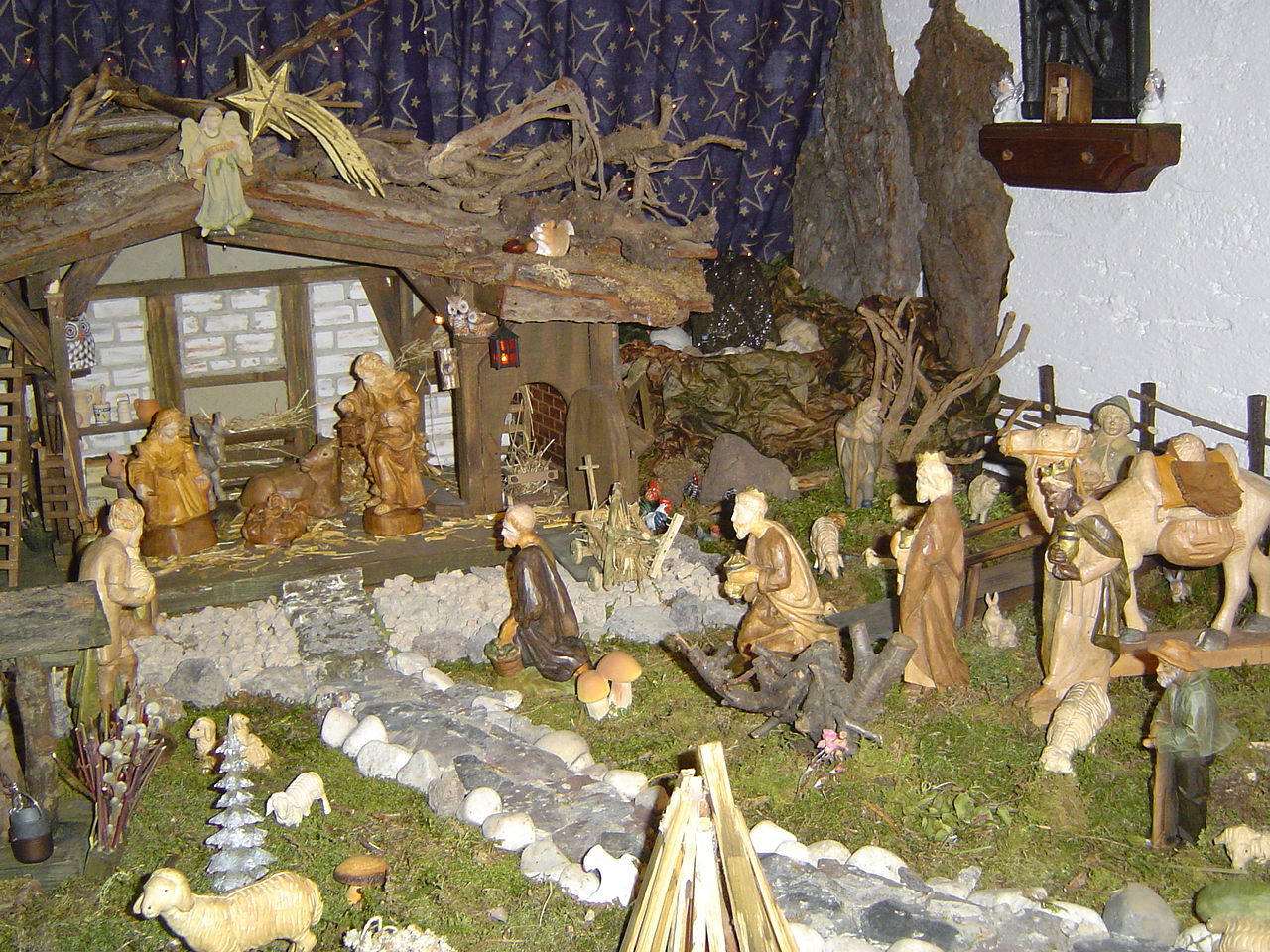
Stable buildings have existed wherever humans kept working or riding animals. In religious and cultural traditions, stables appear in art and narrative. For example, New Testament Gospel accounts describe the infant Jesus being placed in a manger after his birth; that detail has long linked the nativity scene with a simple stable or shelter rather than a grand building (see the Christian Bible and references to the baby Jesus).
Uses and modern variations
Modern stables serve many roles: private equestrian facilities, commercial boarding yards, riding schools and rehabilitation centres. Designs vary with climate, animal type and purpose. In some farming contexts the word "barn" is used interchangeably with stable, though "barn" often denotes a larger, multipurpose agricultural building.
Notable distinctions
- Stable vs barn: stables focus on housing animals; barns house animals plus crops, machinery or stored supplies.
- Stall systems: tie stalls restrict movement; box stalls allow free movement and bedding area.
- Welfare: ventilation, exercise, and clean bedding are key to animal health.
Whether simple or elaborate, stables are central to the care and management of working and companion animals, blending practical needs with regional building traditions and animal-welfare considerations.
Questions and answers
Q: What is a stable?
A: A stable is a building for livestock animals such as horses or cows to live in.
Q: What kind of food is kept in the loft of a stable?
A: The loft of a stable often has hay to feed the animals in the winter.
Q: How are the animals kept separate in a stable?
A: The animals in a stable may be divided into enclosures or stalls to keep them separate.
Q: Where is a stable most likely to be built?
A: A stable is most likely to be built near a farmhouse.
Q: According to the Christian Bible, where was baby Jesus born?
A: According to the Christian Bible, baby Jesus was born in a stable.
Q: Where was baby Jesus put to sleep in the stable?
A: Baby Jesus was wrapped up and put to sleep on the straw in the feed bin, which is also called the manger.
Q: What is the purpose of a stable?
A: The purpose of a stable is to provide shelter for livestock animals such as horses or cows.
Related articles
Author
AlegsaOnline.com Stable (livestock shelter) Leandro Alegsa
URL: https://en.alegsaonline.com/art/93199