
Bowhead whale (Balaena mysticetus)
Large Arctic baleen whale noted for its massive bow-shaped skull, thick blubber, Arctic ice adaptations, long lifespan, and a history of exploitation followed by conservation efforts.
Overview
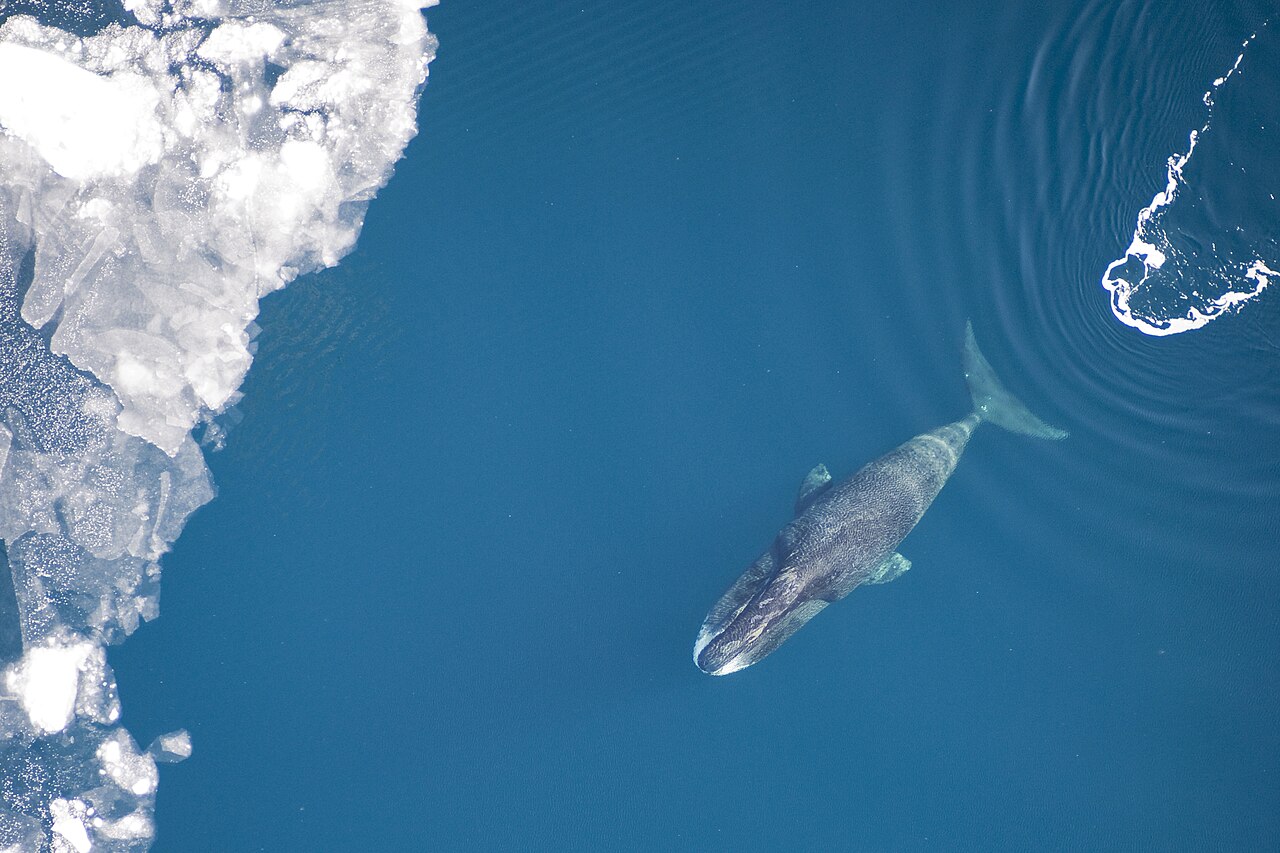
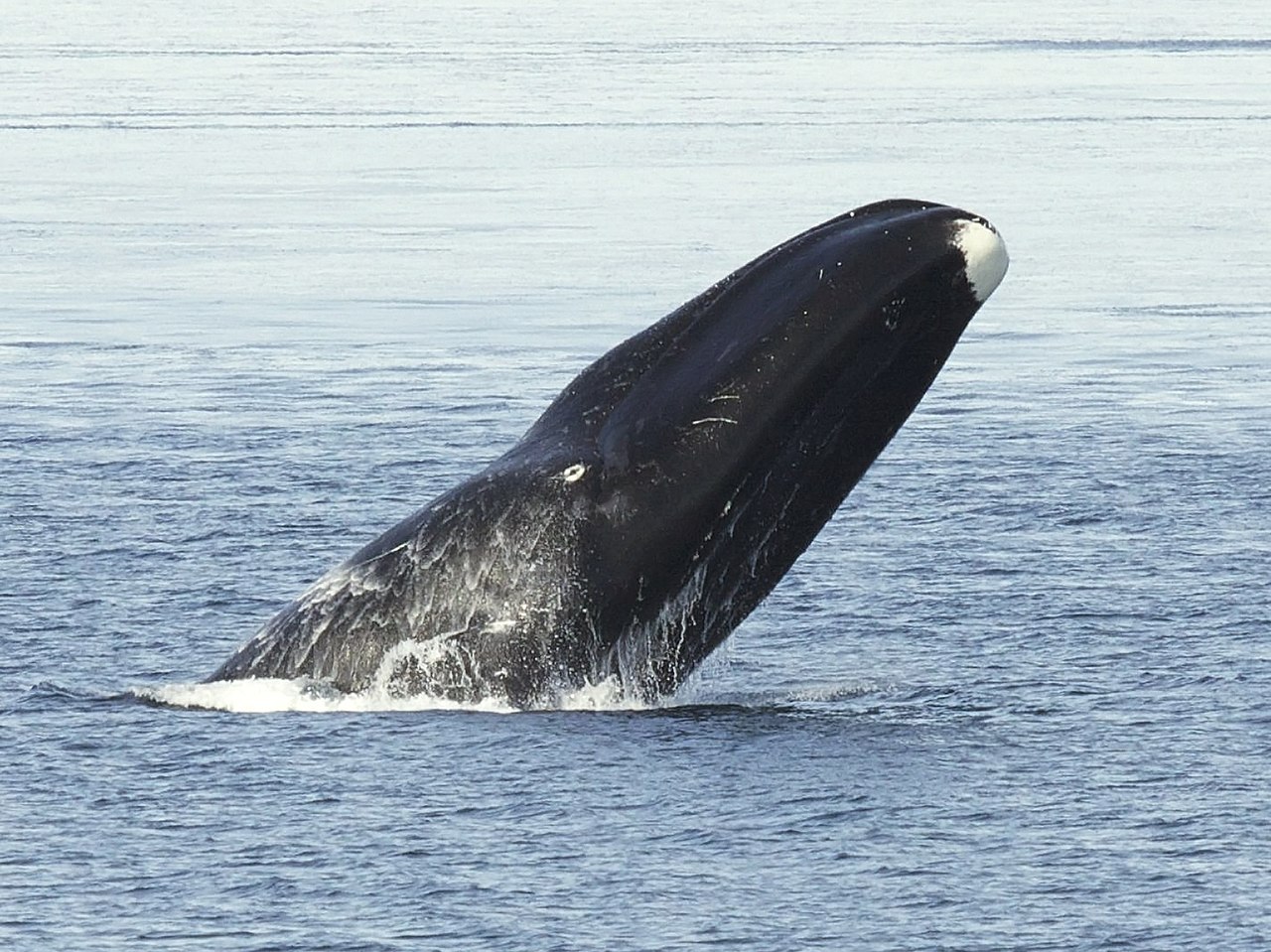
The bowhead whale (Balaena mysticetus) is a baleen whale native to the Arctic and sub-Arctic seas. It belongs to the group commonly called right whales and is instantly recognizable by a very large, arched skull that gives the animal a distinctive bow-shaped profile. Bowheads are adapted to life among sea ice and are one of the most ice-associated large whale species.
Image gallery
10 Images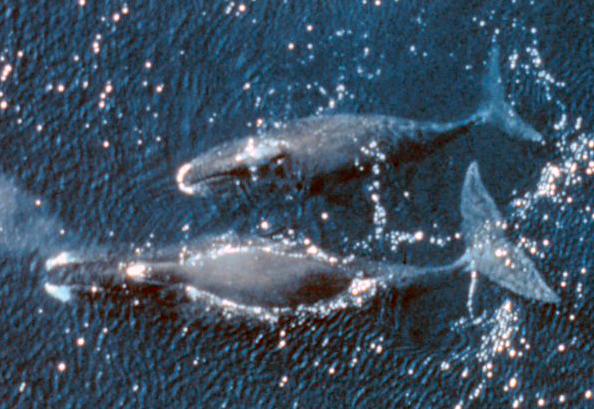




Physical characteristics
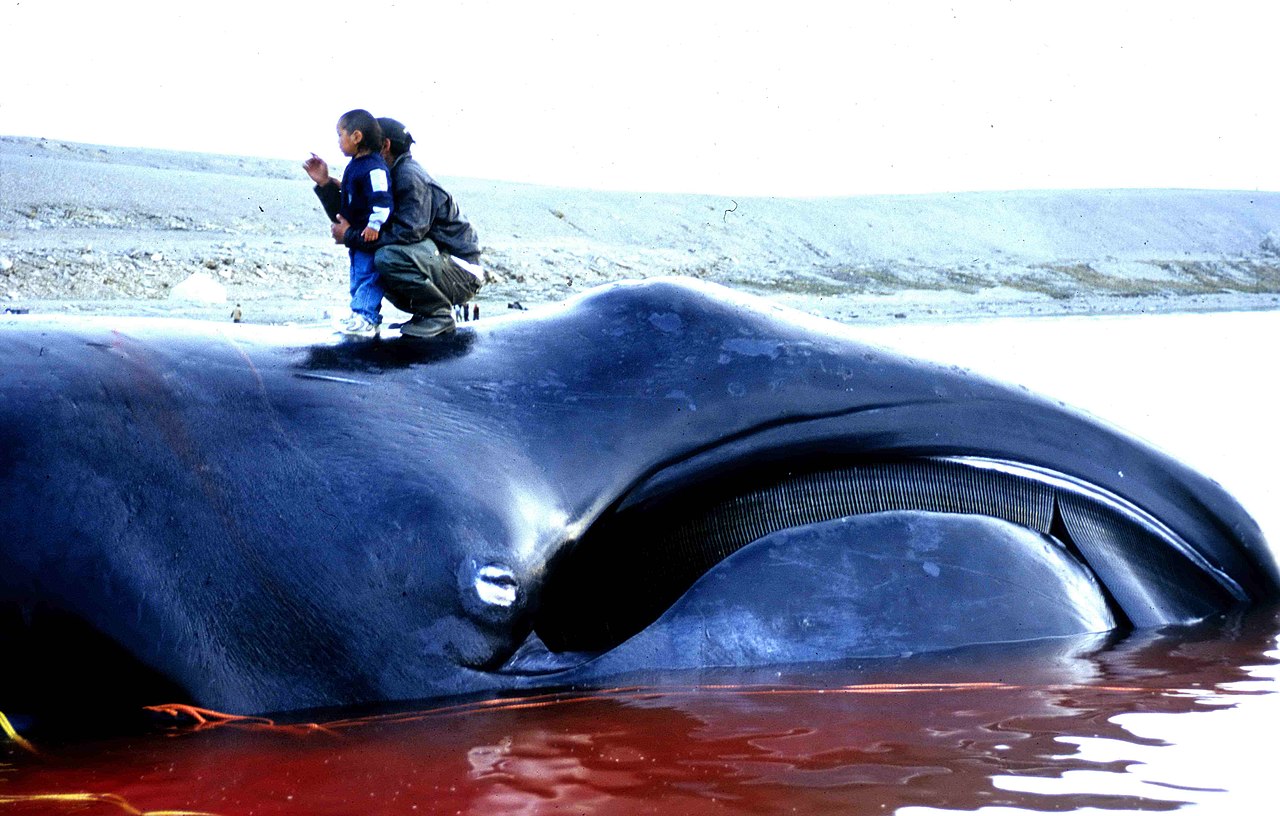
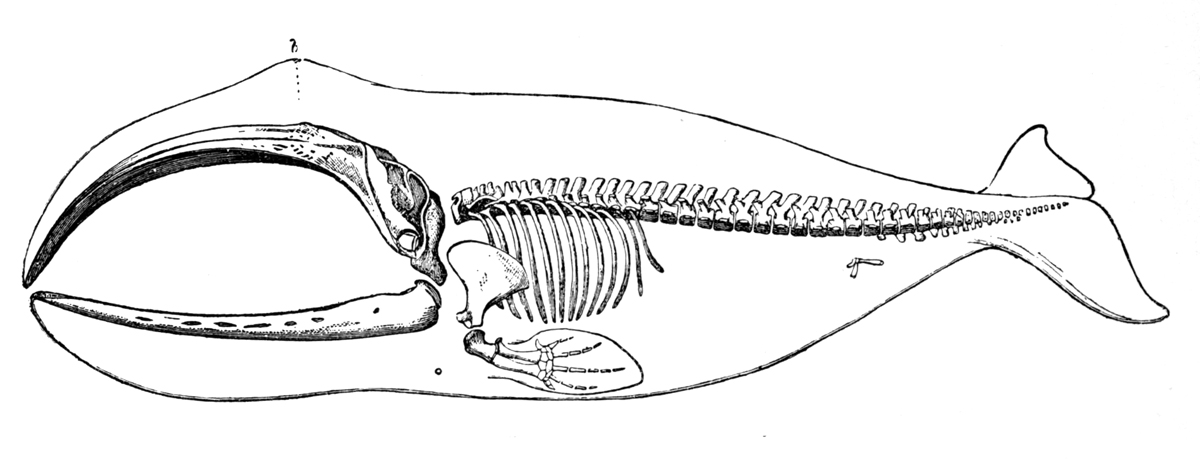
Bowheads have an unusually large head — reported to be as much as 40% of their total body length — which houses an expansive, arched mouth and long baleen plates used for filter feeding. Their lips are broad, eyes small, and they possess two blowholes. A thick layer of subcutaneous blubber, sometimes reaching around half a meter in places, insulates them in frigid waters. The skull is robust and shaped to help the whale break and navigate through sea ice.
Feeding, behavior and distribution
As baleen whales, bowheads filter small prey such as copepods, krill and other zooplankton through their baleen plates. They tend to feed in productive Arctic waters during summer months and move with seasonal changes in ice and prey. Bowheads are social in loose groups or pods and communicate with low-frequency calls adapted to travel under ice and long distances in cold water.
Life history and reproduction
Bowheads are slow-growing and long-lived. Studies suggest they can reach exceptionally old ages—potentially more than two centuries—making them among the longest-lived mammals. Females reproduce slowly, with multi-year intervals between calves; maturation and gestation are prolonged compared with many other marine mammals.
History, conservation and threats
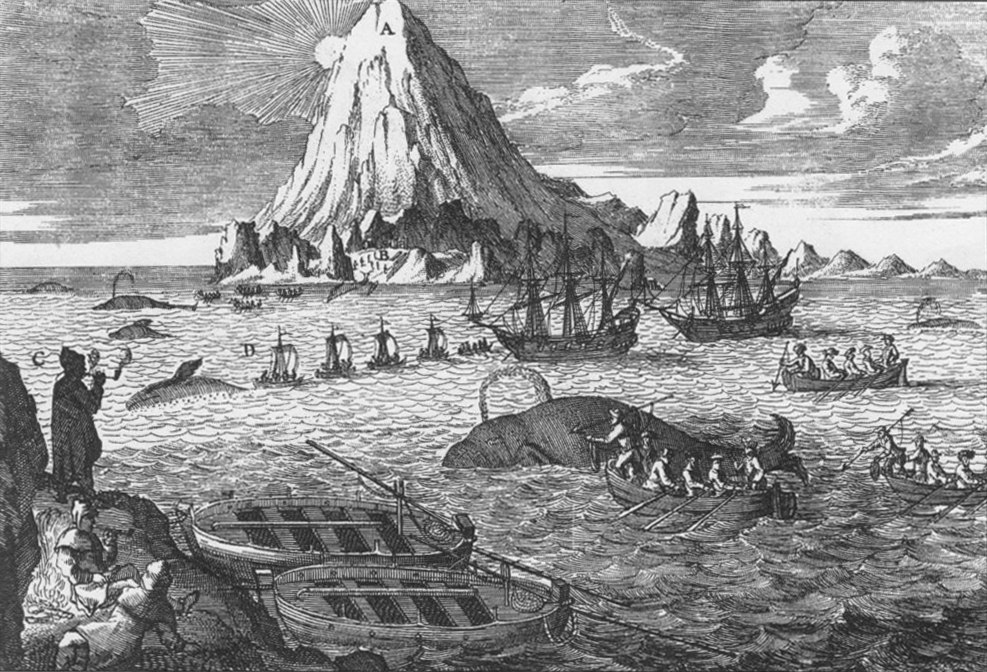
Historically, intensive commercial and indigenous whaling greatly reduced many bowhead populations. Conservation measures and hunting regulations have allowed some stocks to recover, but the species continues to face threats from climate change, loss of sea-ice habitat, increased human activity in the Arctic, ship strikes, and entanglement in fishing gear. Management often emphasizes protection of distinct regional populations and cooperation with Indigenous communities that rely on bowheads.
Notable facts
- Ice adaptation: thick blubber and a massive skull for pushing through ice.
- Baleen feeding: uses long baleen plates to sieve microscopic prey.
- Arctic specialist: primarily found in Arctic waters in association with sea ice.
- Taxonomy: often grouped with right whales — see right whale for comparisons.
Bowhead whales remain an emblematic species of the Arctic marine ecosystem, valued for their ecological role, cultural importance, and as indicators of environmental change.
Related articles
Author
AlegsaOnline.com Bowhead whale (Balaena mysticetus) Leandro Alegsa
URL: https://en.alegsaonline.com/art/13455
Sources
- iucnredlist.org : "Balaena mysticetus"
- species.wikimedia.org : Balaena mysticetus