
Airline food (in‑flight catering): history, types, and considerations
Comprehensive overview of airline food: how in‑flight meals and snacks are produced and served, differences by carrier and cabin, special meals, logistics, and recent trends.
Airline food refers to meals, snacks and beverages provided to passengers during flights. Traditionally included in the fare on many carriers, in‑flight food offerings vary widely by airline, route and cabin class. Low‑cost carriers often charge extra for food and drink, while full‑service airlines typically include at least some refreshments for long‑haul flights. The range of service can extend from a simple beverage and biscuit to multi‑course hot meals in premium cabins.
Image gallery
10 Images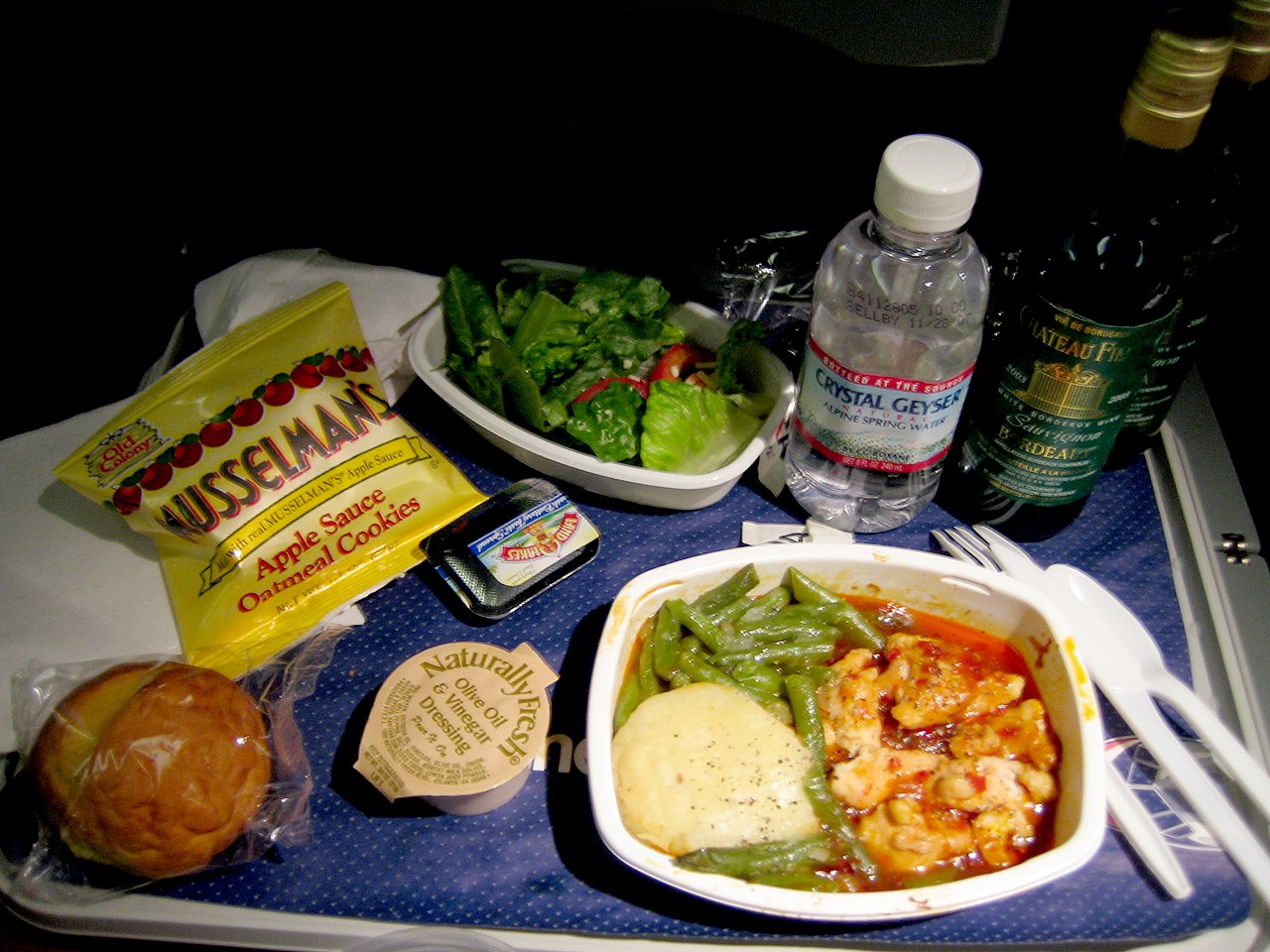


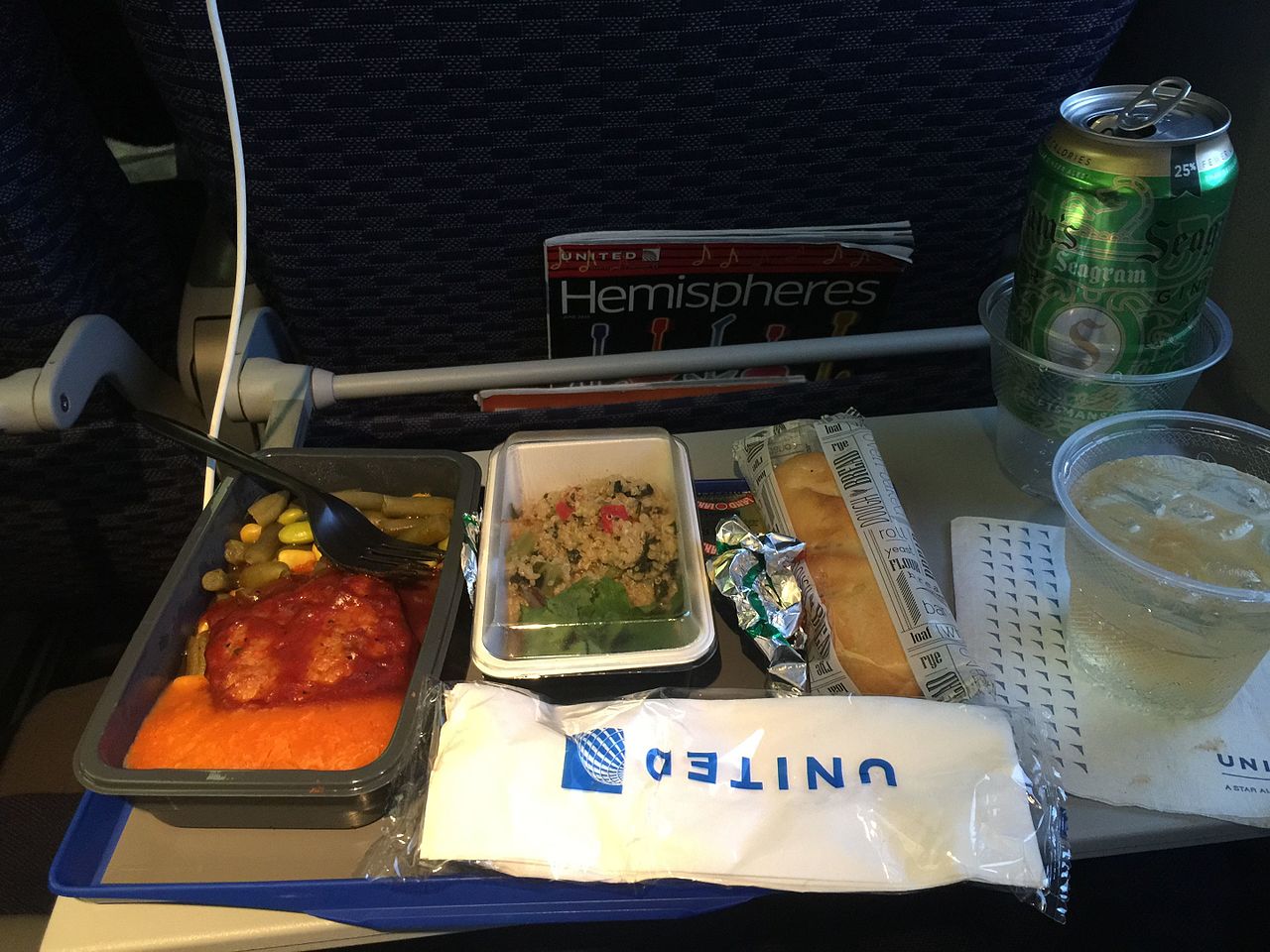


How it is prepared and served
Most airline meals are prepared on the ground by specialist catering companies or airport kitchens, then chilled or chilled‑and‑frozen, loaded onto aircraft and reheated in galley ovens. Catering must meet strict food‑safety and security rules and cope with constraints on space, weight and electrical power aboard the plane. Flight attendants present the food using galley trolleys and trays, with service patterns adjusted for seat configuration, flight length and local regulations.
Typical types and special options
Offerings differ by flight duration and class. Common categories include:
- Complimentary light snacks and drinks on short flights.
- Buy‑on‑board menus on many regional and low‑cost carriers, where passengers purchase items individually.
- Hot meals on medium‑ and long‑haul flights, often with choices for main courses in business and first class.
- Special meals requested in advance for dietary, religious or medical reasons (vegetarian, vegan, kosher, halal, low‑salt, allergen‑free, child meals, etc.).
Challenges and effects of altitude
Serving food at altitude poses sensory and logistical challenges. Cabin pressure and low humidity reduce sensitivity to saltiness and sweetness, so recipes are often adjusted to compensate. Smells disperse differently in confined spaces, and hot food must be handled to avoid burns and spills. Airlines balance passenger satisfaction with operational limits such as storage space, galley equipment and waste handling.
History and recent trends
In‑flight catering has evolved from simple provisions on early commercial flights to elaborate services in premium cabins. Economic pressures, deregulation and the growth of low‑cost carriers have shifted many airlines toward lighter complimentary service or paid options. Recent trends include more pre‑ordering, fresh and regionally inspired menus on long routes, increased attention to dietary labeling, and efforts to reduce single‑use packaging and food waste.
Importance and practical tips
Airline food affects passenger comfort, brand perception and cost management for carriers. Travelers who have dietary restrictions should request special meals in advance when available. For short flights, bringing personal snacks is common. Understanding a carrier's policy on included meals and buy‑on‑board options helps set expectations for in‑flight service.
Related articles
Author
AlegsaOnline.com Airline food (in‑flight catering): history, types, and considerations Leandro Alegsa
URL: https://en.alegsaonline.com/art/1695
Sources
- smartertravel.com : "A Guide to Airline Meals and Snacks"
- cbsnews.com : "Buy On-Board Meals?"
- hipmunk.com : "The History of In-Flight Peanuts and Snacks (and Which Airlines Offer Great Selections)"