
Yuri Andropov: Soviet leader and long-serving KGB chief
Overview of Yuri Andropov (1914–1984), his rise from party official to KGB director and General Secretary, major policies, health and legacy in late Soviet history.
Overview
Yuri Vladimirovich Andropov (1914–1984) was a prominent Soviet state figure who combined a long career in security services with a late-life stint as General Secretary of the Communist Party. He is best known for directing the Soviet security agency and for assuming national leadership in November 1982, a period marked by short tenure, attempts at administrative discipline, and growing Cold War tensions. His name is often associated with internal control, anti-dissent campaigns, and efforts to improve efficiency within state institutions.
Image gallery
10 Images




Early life and political rise
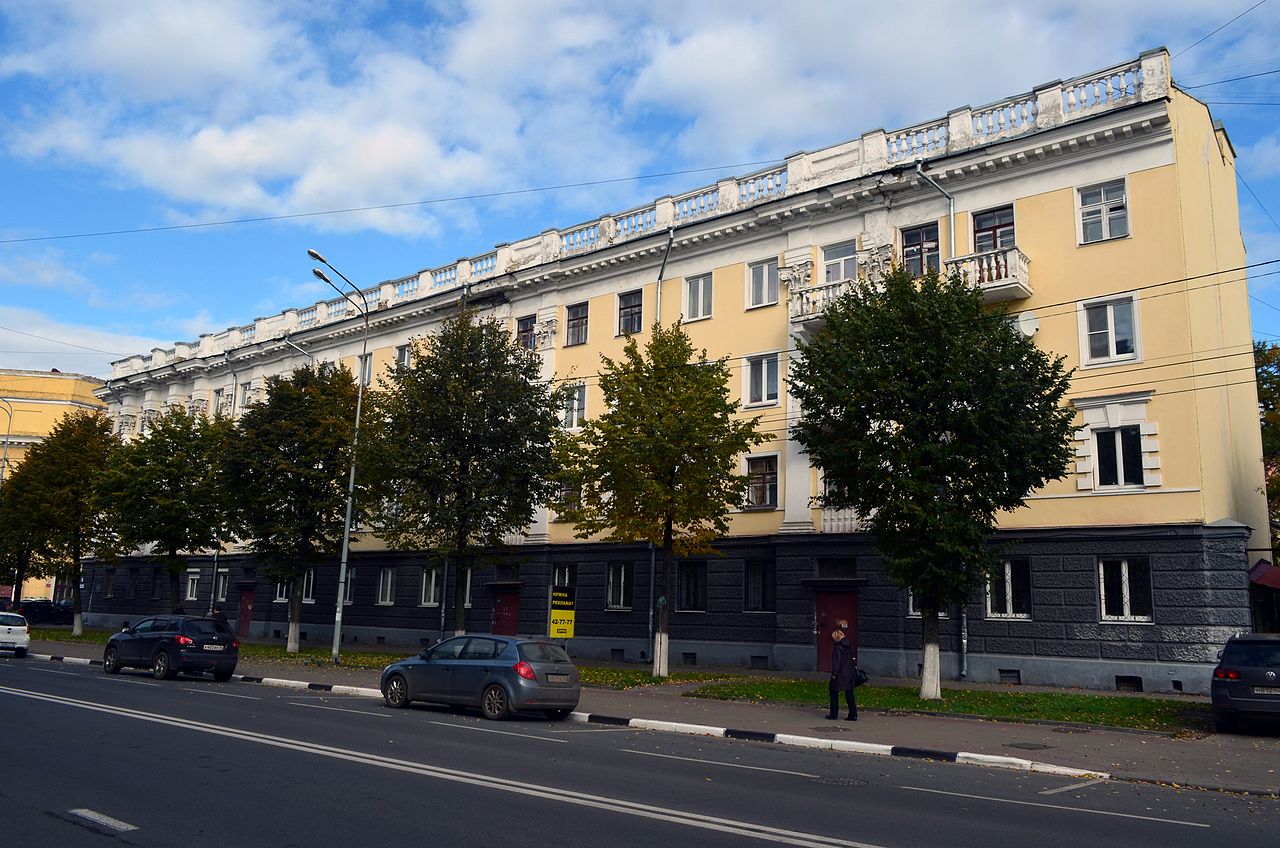
Andropov was born in the village of Nagutskoye in the Russian Empire on 15 June 1914, shortly before the outbreak of World War I and in the year of the assassination of Archduke Franz Ferdinand (see). He joined the Communist Party as a young man and began a career in regional party work and diplomacy that led to higher responsibilities. He entered party ranks before the Second World War (World War II) and gradually moved into intelligence and international assignments that showcased loyalty to party leadership and operational competence.
KGB leadership (1967–1982)
In 1967 Andropov became director of the KGB, the Soviet state security agency often described as the secret police in Western accounts. He held that position for more than a decade, one of the longest tenures in the agency's history. Under his leadership the KGB focused on foreign intelligence, counterintelligence, and monitoring of internal dissent, including samizdat and human-rights activism. Andropov also presided over KGB attention to Warsaw Pact security issues and relations with allied services (Warsaw Pact), and played a role in high-profile international episodes of the period, including Soviet concern over developments in China and the aftermath of the Lin Biao affair (Lin Biao).
Role in international incidents and policy
Andropov's KGB years coincided with several international incidents. He oversaw investigations and intelligence assessments, for example into the 1971 plane crash in Mongolia that involved high-level Chinese figures (plane crash in Mongolia). Within the Soviet hierarchy he became known for pragmatic judgment, suspicion of political rivals, and insistence on discipline. These traits shaped his brief premiership after he became General Secretary in late 1982, when he launched modest anti-corruption drives and measures intended to raise productivity and restore party authority.
General Secretary, health, and death
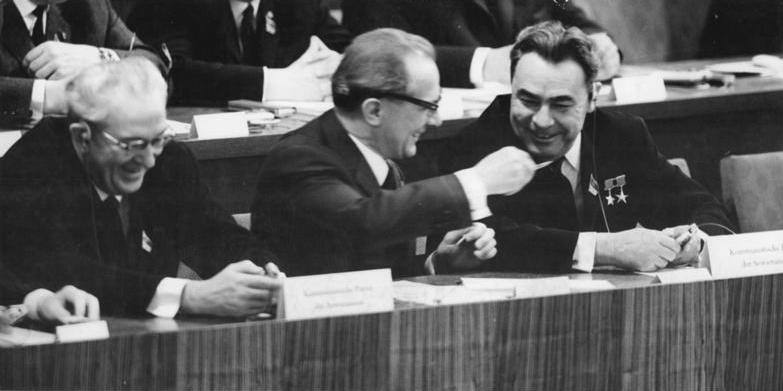
As General Secretary Andropov sought to tighten administrative control and reduce corruption while maintaining a hard line in foreign policy. His time at the top lasted about fifteen months; during that interval he began to introduce personnel changes and to encourage stricter workplace discipline across state enterprises. His leadership was cut short by ill health. Andropov suffered from chronic conditions including diabetes mellitus and other ailments, and he died of renal failure in Moscow on 9 February 1984.
Legacy and notable facts
Historical assessments of Andropov vary. Some view him as a hard-line securitarian who reinforced repressive aspects of the Soviet system; others emphasize his attempts at administrative reform and his caution on nuclear confrontation. He remains a figure of interest for students of intelligence history and late-Soviet politics.
- Born 15 June 1914 in rural Russia; rose through party and diplomatic ranks.
- Directed the KGB from 1967 to early 1982, shaping Soviet internal and external security work.
- Became General Secretary on 12 November 1982 and led until his death in 1984.
- Associated with anti-dissent measures, anti-corruption initiatives, and an emphasis on discipline.
For further structured reading on Andropov's career and influence, consult specialized biographies and archives that treat Soviet security practice, Cold War diplomacy, and the politics of the Brezhnev–Andropov transition. The brief nature of his final leadership period left several questions about how far his reform impulses might have gone had he lived longer.
Russian name and spelling • Political biography • KGB history • Warsaw Pact context
Author
AlegsaOnline.com Yuri Andropov: Soviet leader and long-serving KGB chief Leandro Alegsa
URL: https://en.alegsaonline.com/art/133238