
Lin Biao
Lin Biao (1907–1971) was a Chinese Communist military leader, marshal of the PLA, a prominent figure in the Civil War and Cultural Revolution, later condemned after an alleged coup and fatal plane crash.
Overview: Lin Biao was a senior Chinese Communist military commander and political leader active from the 1920s through the 1960s. He rose to prominence during the Chinese Civil War and the war against Japan, became a leading figure in the People's Liberation Army, and played a high-profile role in the Cultural Revolution era. His name and biography are subject to multiple official narratives and controversies; see name format and naming conventions for background on Chinese names and translations.
Image gallery
10 Images


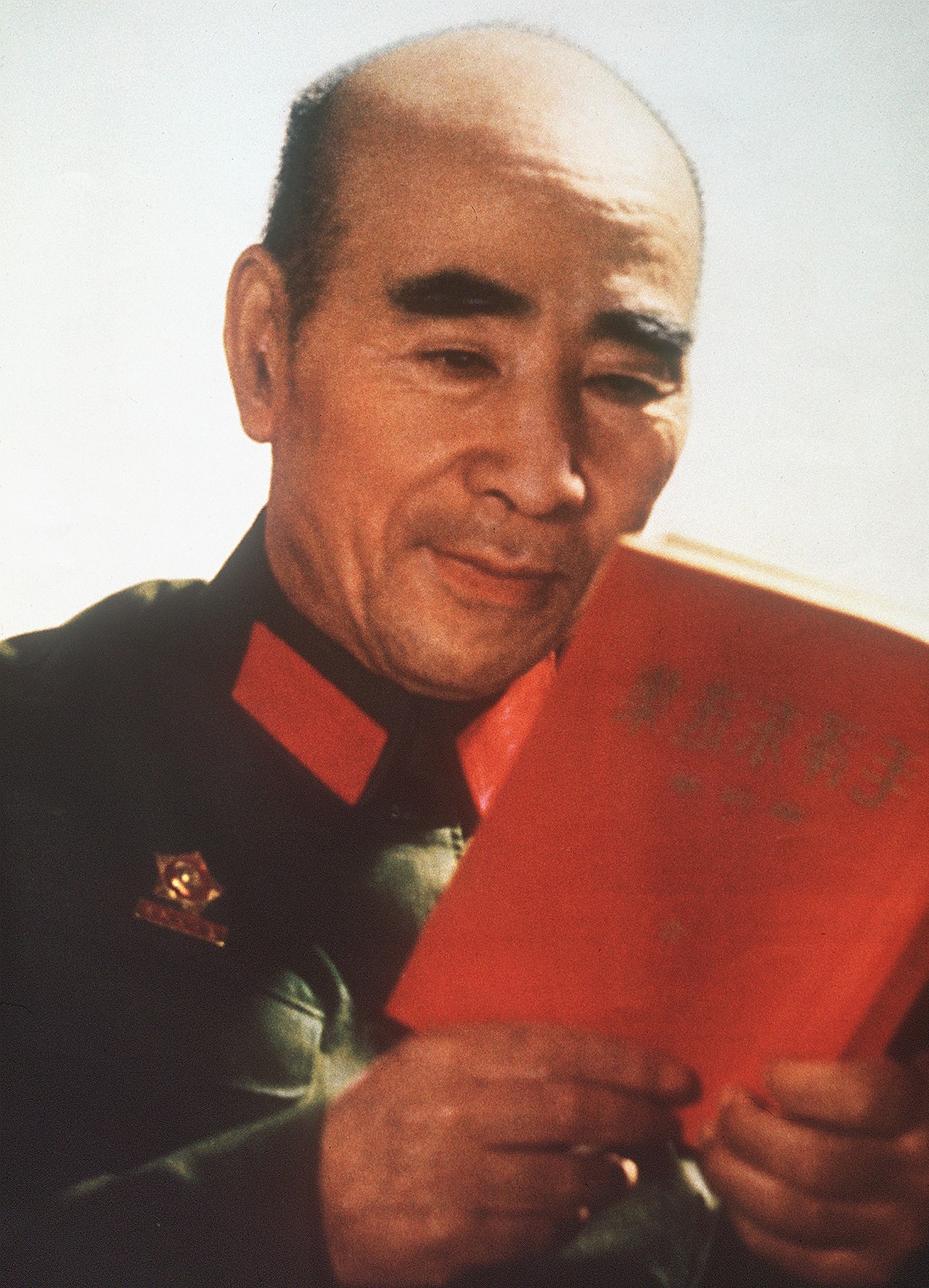


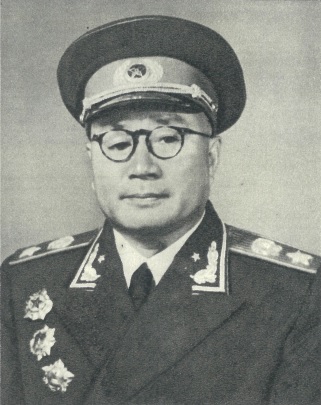

Military career and rise
Lin trained and served as a Communist military officer during the struggles that shaped modern China. He commanded forces in campaigns against both Nationalist and Japanese opponents, developing a reputation for organizational skill and close association with party military leadership. He was among those who helped transform guerrilla units into the regular forces of the People's Liberation Army; related material on the army's history is available at family name and biographical notes. Over decades he accumulated political as well as military influence and was formally recognized in the senior leadership group of the party and the armed services.
Political prominence and the Cultural Revolution
In the 1960s Lin became closely identified with Mao Zedong's campaigns to reshape Chinese politics and culture. He endorsed Mao's personality-centered campaigns, contributed a widely circulated introduction to a collection of Mao's quotations, and was publicly elevated to positions that placed him among the most powerful figures in the party. For context about those years see Communist movement and party leadership. He was often portrayed as an exemplar of military loyalty to the revolutionary leadership, a role that combined political and symbolic functions in the mass campaigns of the era.
Succession, alleged plot, and death
During the later 1960s Lin was identified in official statements as a close ally of the top leader and, at one point, as a designated successor. Sources on the internal politics of this period include references at civil war era and wartime history. In September 1971 Lin died when the aircraft carrying him and family members crashed in Mongolia while leaving China. The circumstances were officially described by Chinese authorities as the result of an attempted escape following an alleged coup plot; further reading on the Korean War-era context and later developments is available at Korean War and Cultural Revolution resources.
Aftermath and legacy
After his death Lin was denounced by the Communist Party and removed from official histories; he became a symbol of betrayal in the state narrative of the early 1970s. That treatment echoes how political rivals have been labeled and purged in other revolutionary contexts; see comparative references at PLA records, Mao era, and leadership studies. Scholars continue to examine Lin's complex role—as a military strategist, political actor, and public advocate for Maoist campaigns—and debate the motives and factual basis behind the events of 1971.
Notable facts and distinctions
- Lin combined military command and political influence in a period when the armed forces were central to governance; see political-military relations.
- He contributed to the circulation of Maoist writings and symbols, for example by writing an introduction to a widely distributed volume of quotations; see published introduction.
- His fall from favor and posthumous condemnation illustrate how rapidly political fortunes could reverse in the Maoist era; relevant materials include comparative purges, political trials, and leadership transitions.
- The crash that ended his life occurred in Mongolia and has been the focus of official reports and independent inquiry; see crash reports, flight records, and investigations.
- Debate continues about the extent of his responsibility for Cultural Revolution excesses and about the precise intentions behind his final actions; see historical debate and party assessments.
Related articles
Author
AlegsaOnline.com Lin Biao Leandro Alegsa
URL: https://en.alegsaonline.com/art/124426
Sources
- marxists.org : Lin's introduction to the Little Red Book
- britannica.com : The Encyclopaedia Britannica's article on the man