
Truman Capote: life, major works, and legacy
American writer Truman Capote (1924–1984) wrote fiction and literary journalism, most famously In Cold Blood; this article summarizes his life, style, major works, and cultural impact.
Overview
Truman Capote (born Truman Streckfus Persons; September 30, 1924 – August 25, 1984) was an American author whose writing spanned fiction, reportage and social commentary. He rose to public prominence in the mid-20th century for both his books and his flamboyant social presence. His broad literary career combined elements of journalism and imaginative narrative and helped shape later debates about truth in literary non‑fiction.
Image gallery
9 Images




Early life and beginnings
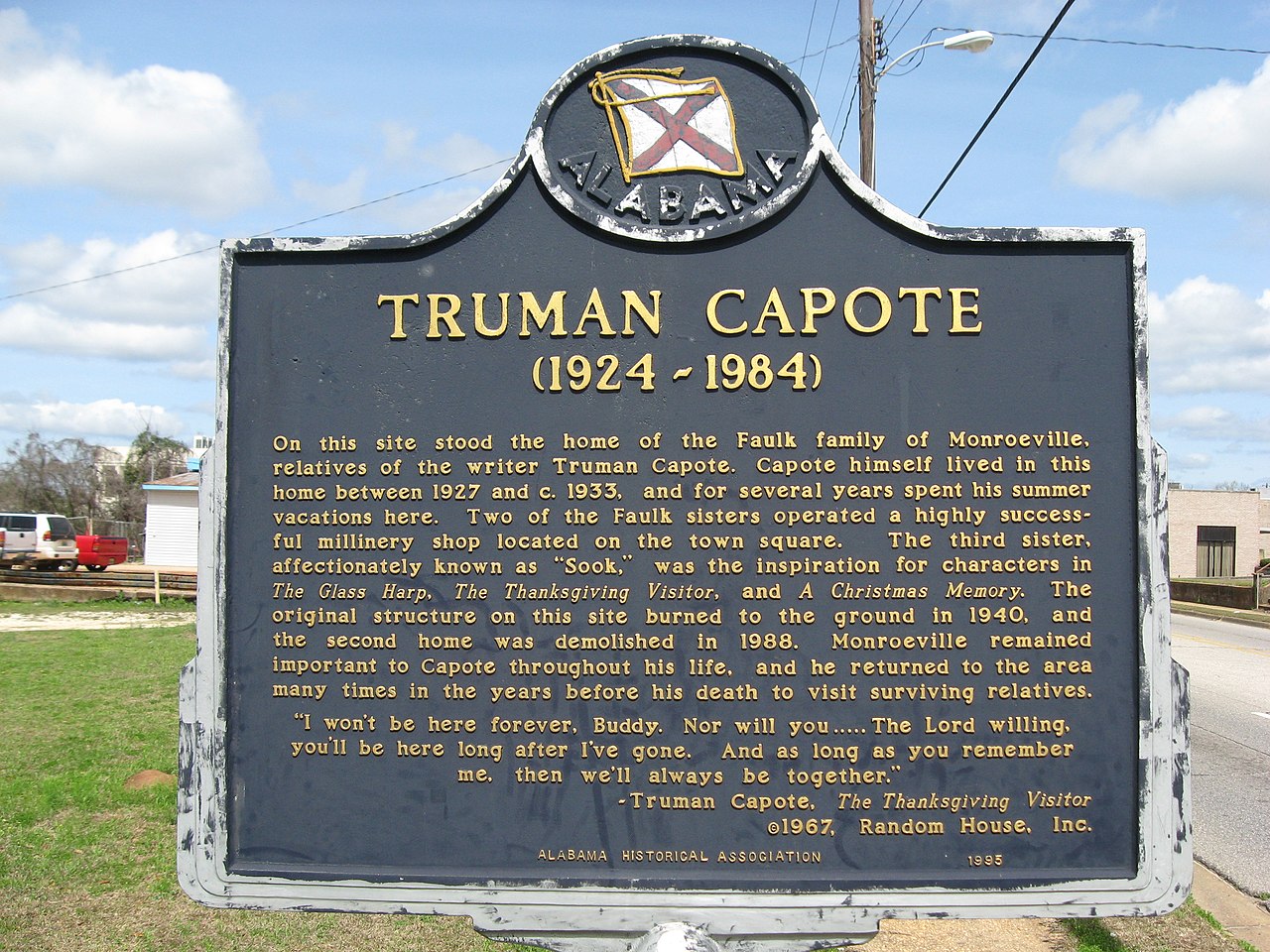
Capote was born in New Orleans, Louisiana, and spent parts of his childhood in Monroeville, Alabama, where he formed lasting friendships, and later in New York City and Greenwich, Connecticut. He published early short stories and reviews and gradually established a reputation for polished prose, vivid portraiture and a keen ear for dialogue.
Major works
Capote produced several works that remain widely read. Key titles include:
- Other Voices, Other Rooms — his 1948 debut novel that announced his talent for lyrical, atmospheric fiction.
- Breakfast at Tiffany's — a novella that introduced the memorable character Holly Golightly and inspired a celebrated film adaptation.
- In Cold Blood — a long-form account of murder and its aftermath in rural Kansas; often cited as an early and influential example of narrative nonfiction or the "nonfiction novel." Capote combined detailed reporting with a novelistic structure, a choice that drew acclaim and sparked debate about ethics and creative license.
Style, methods and controversies
Capote's prose is known for its clarity, precise detail and psychological insight. His approach to reporting for In Cold Blood involved prolonged immersion in the case, extensive interviews and close attention to mood and motive. While many praised the book's craft and compassion, others questioned how Capote's involvement with sources and his narrative shaping affected factual boundaries.
Personal life and death
Capote was openly gay in an era when public acknowledgement of sexuality could be controversial; he became a prominent figure in artistic and social circles. He cultivated friendships with other writers and figures of his time. Capote died in Los Angeles, California, on August 25, 1984, from complications related to liver cancer, at age 59.
Legacy
Capote's influence continues through his books, stage and screen adaptations, and the controversies that surround his most famous work. He pushed the boundaries between reporting and storytelling and remains a subject of study for those interested in narrative technique, literary ethics and mid‑20th‑century American letters. For further reading and archival materials, see resources linked below.
Further resources: biographical overview, critical essays, birthplace details, regional context, childhood influences, New York career, Greenwich years, In Cold Blood materials, case background, Kansas setting, public persona, sexual identity, medical notes, cause of death, place of death, state context.
Author
AlegsaOnline.com Truman Capote: life, major works, and legacy Leandro Alegsa
URL: https://en.alegsaonline.com/art/132307