
Ashurbanipal (c. 685–627 BC) — Assyrian king and founder of Nineveh's library
Ashurbanipal was a 7th-century BC Assyrian ruler known for military campaigns, palace reliefs and the library at Nineveh that preserved Mesopotamian literature and scholarship.
Overview
Ashurbanipal was a king of the Neo-Assyrian state in the late 7th century BC who is often described as the last great ruler of that imperial phase. He was the son of Esarhaddon and came to power after a dynastic succession that consolidated control over a large territory in the Near East. His reign combined military activity, centralized administration and an unusual royal interest in literacy and scholarship.
Image gallery
10 Images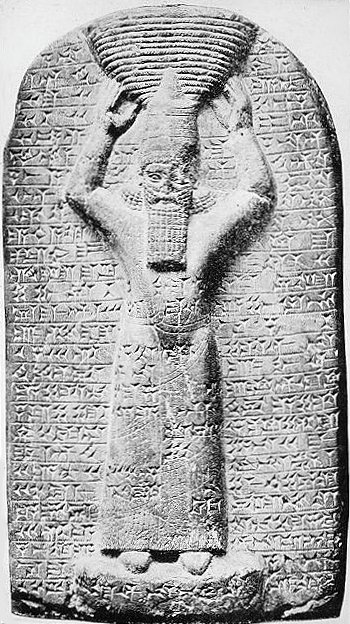


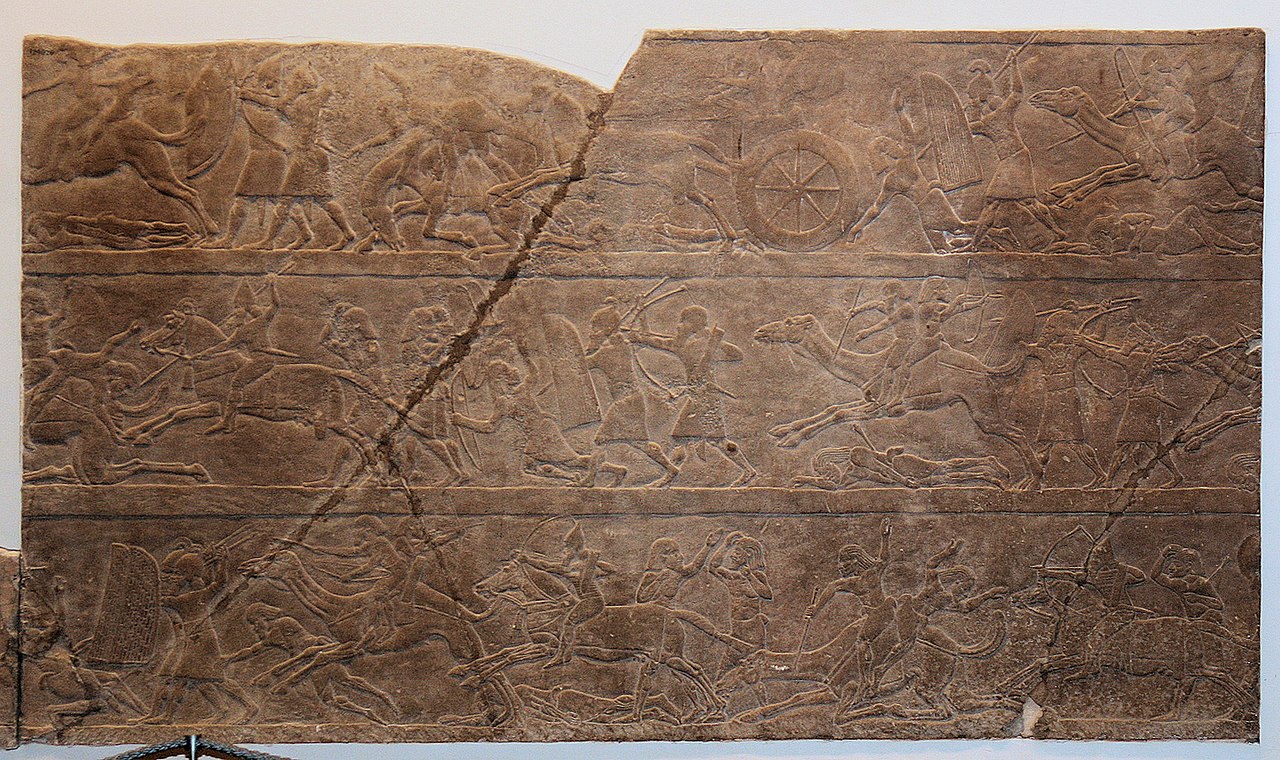

Library and scholarship
Ashurbanipal is best known for assembling what historians call the Library of Ashurbanipal, a large royal collection of cuneiform tablets recovered in fragmentary form at Nineveh. The library contained religious texts, epics, medical and divinatory works, lexical lists and correspondence. Its survival has been crucial to modern understanding of Mesopotamian literature and history. The collection is commonly associated with the city of Nineveh and with broader cultural developments in the ancient Middle East. More general discussions of the Neo-Assyrian state sometimes refer to Ashurbanipal as the last great king of that period and place his rule within the context of the Neo-Assyrian imperial system. The library is often cited simply as the Library of Ashurbanipal.
Military and administration
During his reign Ashurbanipal led campaigns to secure border areas and suppress rebellions. Records and royal reliefs celebrate victories over neighboring states and portray the king in ceremonial hunts. Assyrian governance under him combined provincial governors, military garrisons and a network of communications that kept the empire cohesive for a time. The king’s inscriptions emphasize both force and ritual as instruments of rule.
Art, inscriptions and sources
Archaeological remains from Ashurbanipal’s palaces include finely carved reliefs, administrative tablets and letters that provide direct evidence for court life, religion and policy. These visual and textual sources are the basis for much modern reconstruction of late Assyrian history. They also reveal the king’s taste for literary culture and the role of scribes in preserving texts.
Legacy and later representations
In later traditions Ashurbanipal appears under different names. Biblical and classical writers adapted his persona: he is called Asenappar in some biblical lists, while classical authors linked him to legendary figures such as Sardanapalus and sometimes portrayed him in contrasting terms. Modern scholarship treats those classical accounts with caution, relying instead on the archaeological and cuneiform evidence unearthed at sites like Nineveh to assess his historical role.
Notable facts
- His libraries preserved the Epic of Gilgamesh and other key Mesopotamian works.
- He combined military command with personal interest in learning and book collecting.
- Later literary traditions transformed his image, creating a mix of fact and legend.
Related articles
Author
AlegsaOnline.com Ashurbanipal (c. 685–627 BC) — Assyrian king and founder of Nineveh's library Leandro Alegsa
URL: https://en.alegsaonline.com/art/114673
Sources
- forumromanum.org : "Epitome of the Philippic History of Pompeius Trogus"