
Book of the Dead (Ancient Egyptian funerary texts)
A collection of ancient Egyptian funerary spells, illustrations and instructions written on papyrus to help the deceased navigate the afterlife; evolved from earlier Pyramid and Coffin texts.
Overview
The Book of the Dead is the modern name for a loosely organized set of ancient Egyptian funerary compositions intended to assist a deceased person in the afterlife. Often called the "Book of Coming Forth by Day" or known by specific manuscripts such as the Papyrus of Ani, these works are not a single canonical book but a selectable compilation of spells, hymns and instructions. Their purpose was practical and ritual: to guide the dead through dangers, to identify them before gods and judges, and to secure a favorable existence beyond death.
Image gallery
10 Images



Contents and form
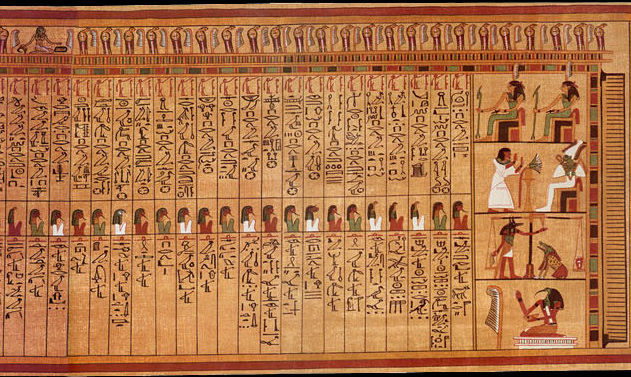
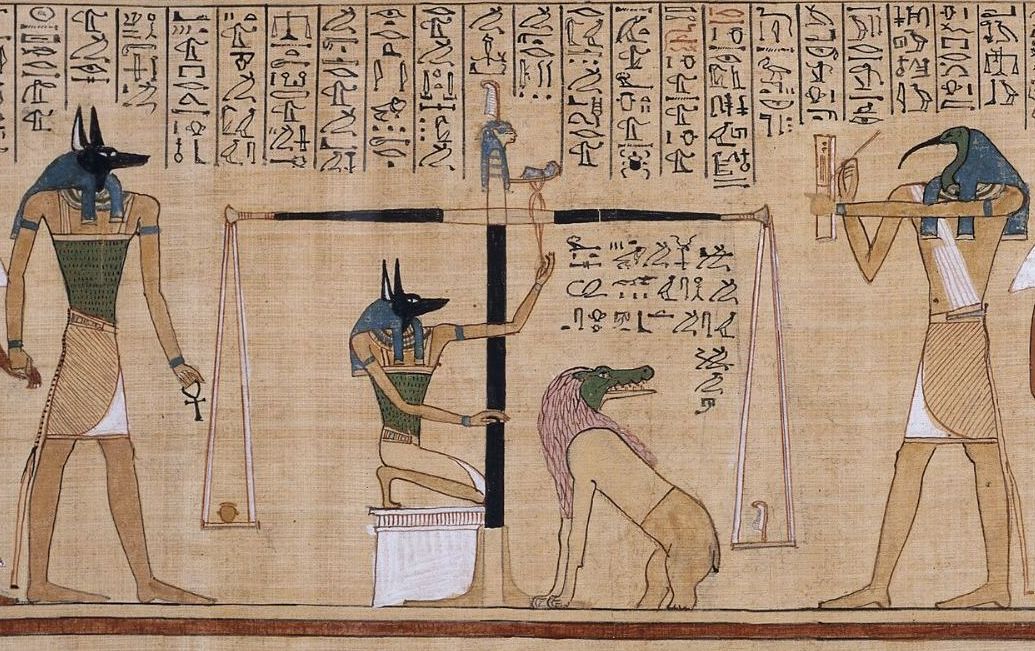
Typical examples are written on papyrus scrolls and placed in burials; they frequently include painted vignettes that illustrate scenes from the journey through the underworld. The texts combine prose and formulaic utterances, with some of the most famous passages directed at the weighing of the heart, the provision of names and routes, and protection against hostile beings. Individual manuscripts vary: owners or their families selected spells appropriate to rank, belief and resources, so there is considerable variety among surviving copies. Scholars often catalogue individual spells and refer to them by number to compare different versions and placements across manuscripts.
Origins and historical development
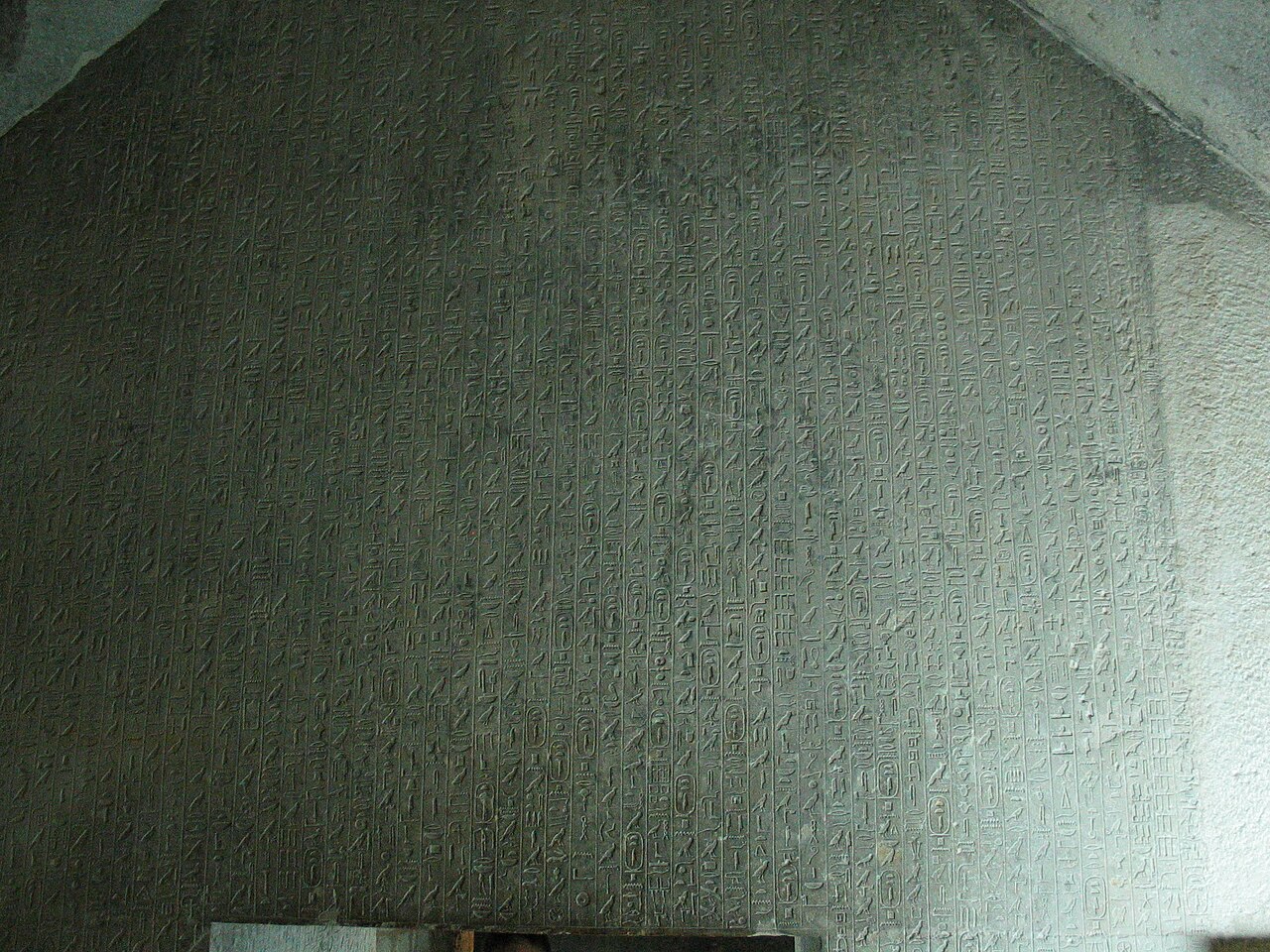
The material in the Book of the Dead traces its roots to earlier collections of mortuary literature. Elements derive from the Pyramid Texts of the Old Kingdom and the Coffin Texts of the Middle Kingdom; over time these traditions were adapted and expanded. The form most familiar to modern readers crystallized during the New Kingdom, when the compilation on papyrus became widespread for elite burials. The modern label "Book of the Dead" was given by the German Egyptologist Karl Richard Lepsius, who published selections of these texts in the nineteenth century, helping to bring them to European scholarly attention in 1842 (Lepsius's edition).
Uses, examples and notable manuscripts
Families commissioned personalized copies that named the deceased and included spells chosen for their needs. Famous surviving copies include the Papyrus of Ani and the Papyrus of Hunefer, which are richly illustrated and often displayed in museum collections. Typical uses were to secure safe passage through the Duat, to enable the deceased to assume a renewed life among the gods, and to provide a series of verbal protections recited or depicted as part of the burial equipment. The physical medium—usually papyrus—and the placement inside coffins or tomb chambers helped to ensure the text accompanied the occupant in perpetuity (coffin, funerary).
Distinctive features and modern discoveries
Two important features distinguish the Book of the Dead from many modern religious books: it is a variable anthology rather than a fixed canon, and each copy was frequently tailored to an individual. Modern Egyptology has pieced together many manuscripts to understand the development and diffusion of spells. Significant finds and restorations continue to refine our picture; for example, fragments and previously unrecognized sections have resurfaced in museum collections from unexpected places, prompting fresh study and sometimes publication of missing passages (recent research, museum catalogues). For introductions and translations consult general resources and museum sites (collection entries, scholarly summaries).
Further reading and resources
- Overview of ancient Egyptian funerary texts
- Selected translations and annotated editions
- Illustrated papyri and museum displays
- Biographical notes on early scholars
- Historical editions and publication history
- Recent discoveries and fragment studies
The Book of the Dead remains central to our understanding of ancient Egyptian beliefs about death, identity and the afterlife. Because its content was adapted across centuries and by different social groups, the corpus offers rich evidence for religious practice, artistic convention and personal piety in pharaonic Egypt.
Related articles
Author
AlegsaOnline.com Book of the Dead (Ancient Egyptian funerary texts) Leandro Alegsa
URL: https://en.alegsaonline.com/art/12993
Sources
- touregypt.net : "Egypt: The Book of the Dead, A Feature Tour Egypt Story"
- abc.net.au : "Fragments of Book of the Dead found in Brisbane"