
Book of Proverbs
A collection of Hebrew wisdom literature in the Ketuvim and the Christian Old Testament, offering moral guidance, practical instruction, and theological reflection through aphorisms and short discourses.
The Book of Proverbs is an anthology of short sayings and teachings found in the Hebrew Bible (the Ketuvim) and in the Christian Old Testament. It belongs to a literary category known as wisdom literature and is valued in both Judaism and Christianity as a source of ethical counsel, social insight, and spiritual reflection.
Image gallery
6 Images


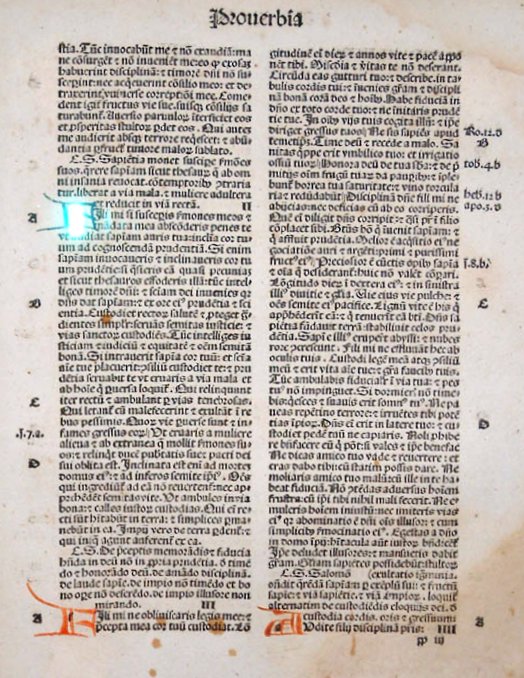
Characteristics and style
Proverbs is notable for its compact, memorable expressions: parallel lines, metaphors, contrasts, and personification. Many passages portray Wisdom as a guiding figure who invites people to live rightly and prudently. Other sayings offer practical advice about speech, work, money, family relations, and leadership. While some passages emphasize religious duty and the "fear of the Lord," others read like secular maxims intended to shape everyday behavior.
Structure and notable sections
The book includes several distinguishable units. A series of longer discourses and invitations appears near the start. Chapters of short, two-line proverbs form the bulk of the work, while the closing chapters contain attributed sayings of figures named Agur and Lemuel and conclude with the famous poem praising the virtuous woman (often cited in religious teaching). These divisions reflect different voices and purposes collected into a single volume.
History and composition
Tradition often links Proverbs with Solomon as a principal figure, but modern scholarship understands the book as a compilation shaped over time by multiple authors and editors. Its sayings likely circulated orally and in written form before being collected; the final compilation probably postdates the earliest compositions. The book's language, themes, and editorial notes suggest a process of growth rather than a single moment of origin.
Uses and influence
Readers have used Proverbs for personal formation, communal instruction, and religious teaching. Verses are cited in sermons, ethical instruction, and popular speech; some lines have entered common proverbial usage. The text has been studied in Jewish schools and Christian contexts alike, and it often appears in discussions that link practical morality with theological insight. For an overview of its place in Jewish canon, see Jewish texts, and for Christian perspectives consult Old Testament resources and denominational commentaries at religious study.
Distinctions and interpretation
Proverbs differs from other wisdom books such as Job or Ecclesiastes by its generally optimistic tone and focus on conventional moral instruction rather than theological puzzlement. Interpreters debate how literally to read its cause-and-effect statements about conduct and consequence; many understand the book as offering rules of thumb rather than iron-clad promises. Its blend of religious affirmation and everyday counsel helps explain its enduring appeal across diverse communities.
For introductions, translations, and further study materials see curated guides and commentaries; basic reference entries and annotated translations remain useful starting points for readers approaching this ancient and influential collection.
Questions and answers
Q: What is the Book of Proverbs?
A: The Book of Proverbs is a book in both the Tanakh (Judaism) and the Old Testament (Christianity).
Q: What type of teachings are found in the Book of Proverbs?
A: The Book of Proverbs contains important teaching and instructions for both Judaism and Christianity. Some verses teach duty to God, while many can be seen as good advice.
Q: Who may find this advice useful?
A: Even nonreligious persons may find this advice to be useful.
Q: Is there a difference between the teachings in Judaism and Christianity from the Book of Proverbs?
A: Yes, there are differences between the teachings in Judaism and Christianity from the Book of Proverbs. While some verses teach duty to God, many can be seen as good advice that applies to all people regardless of their religious beliefs.
Q: Where does one find the Book of Proverbs?
A: The Book of Proverbs can be found in both the Tanakh (Judaism) and Old Testament (Christianity).
Related articles
Author
AlegsaOnline.com Book of Proverbs Leandro Alegsa
URL: https://en.alegsaonline.com/art/12989
Sources
- newadvent.org : newadvent.org/cathen/12505b.htm