
Book of Joel: themes, structure, history and influence
Short prophetic book in the Hebrew Bible/Old Testament that addresses a devastating locust plague, calls for repentance, and prophesies the "day of the Lord" and the outpouring of God's spirit.
The Book of Joel is a concise prophetic text included among the Twelve Minor Prophets in the Hebrew Bible and in the Christian Old Testament. Its author is named Joel (traditionally understood as "Joel son of Pethuel"), but precise details about his life are not preserved in the book itself. Joel is notable for vivid natural and religious imagery — most famously a destructive swarm of locusts — and for the development of the motif known in later literature as the "day of the Lord." The book is short yet theologically rich, and it has been important in both Jewish and Christian interpretation for its blend of judgment and restoration.
Image gallery
4 Images


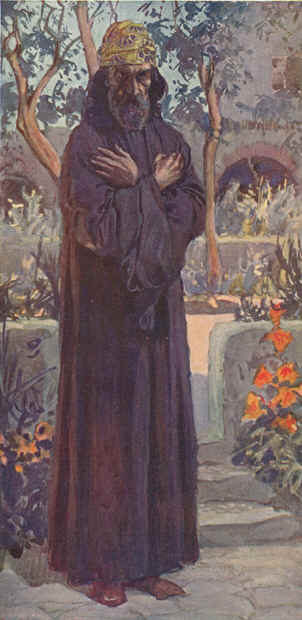
Contents and literary character
Joel is organized as a call-and-response structure: an urgent account of disaster, a summons to communal mourning and repentance, and a prophetic promise of renewal and vindication. The opening material describes a ruinous invasion of insects and the agricultural crisis that follows. Joel then calls civic and religious leaders, and the whole population, to fast and pray. The final sections move from immediate restoration to more cosmic language about divine intervention, eschatological judgment, and a future pouring out of God’s spirit on all people. The writing combines poetic lament, prophetic proclamation, and apocalyptic imagery; scholars note its rhetorical use of metaphor and symbolic weather and animal imagery to convey theological meanings rather than only a natural history of events.
Date, authorship and textual transmission
Scholars have long debated when Joel was composed. Proposals range widely: some place the composition in the early monarchic period, while others argue for a late pre‑exilic or post‑exilic date. The book itself contains few firm historical markers, which leaves room for differing reconstructions. Textually, Joel is preserved in the Hebrew Masoretic tradition and appears in ancient Greek translation traditions. Its short length and poetic style make it a frequent subject of textual and literary study rather than a source for secure chronological claims.
- Main themes: divine judgment and mercy, communal repentance, restoration of land and people, and the eschatological "day of the Lord."
- Key image: the locust plague as both a real agricultural disaster and a symbolic portrayal of invading forces or divine visitation; see discussions of the locust plague in ancient Near Eastern literature.
- Promise: a future pouring out of divine spirit and a reversal of devastation into blessing.
Joel's references to calamity are sometimes situated geographically in the ancient Near East; ancient commentators read the crisis in the land variously as localized famine or as part of broader regional turmoil. The book's agricultural frame of reference presumes a society dependent on cereal crops and vineyards, a reality reflected in many ancient sources about Palestine and its neighboring territories. Joel's rhetoric addresses rulers and priests as well as ordinary people, urging collective action and sincere inward repentance rather than mere ritual observance.
In later religious reception, Joel has been influential beyond its brief pages. Jewish tradition includes it among the Twelve and has used its language in liturgical and interpretive contexts. In Christianity, a key verse forecasting the outpouring of God’s spirit is cited in the New Testament account of Pentecost: the apostle Peter draws on Joel’s words in the narrative of that event, recorded in the Book of Acts, to explain the sudden manifestation of the Holy Spirit. The Christian observance of Pentecost frequently refers back to Joel’s prophecy, and Joel’s images are often invoked in discussions of the New Testament understanding of prophecy and fulfillment within Christian theology and in editions and translations of the Bible.
Modern readers approach Joel from multiple angles: as a witness to ancient near‑eastern perceptions of disaster, as literature that shapes later theological ideas, and as a brief but powerful prophetic plea for social and religious renewal. Its compact form and memorable phrases have kept it a frequent subject of preaching, scholarly commentary, and devotion across religious traditions.
Related articles
Author
AlegsaOnline.com Book of Joel: themes, structure, history and influence Leandro Alegsa
URL: https://en.alegsaonline.com/art/12973