
Philippa of Hainault: Queen Consort, Diplomat, and Patron of Learning
Queen consort of Edward III noted for diplomatic skill, charitable patronage, influence as regent, and the famous intercession for the burghers of Calais; namesake of The Queen's College, Oxford.
Philippa of Hainault was queen consort of England during the reign of King Edward III and an influential figure in 14th-century English politics, culture, and charity. Born into the ruling family of Hainault in the Low Countries, she was chosen in childhood as a bride for the future Edward as part of a policy to strengthen ties between England and the counties on the continent. As queen she combined ceremonial duties with practical responsibilities: she acted as a caretaker of the royal household, a diplomatic intermediary, and at times a formal regent when her husband was on campaign.
Image gallery
7 Images


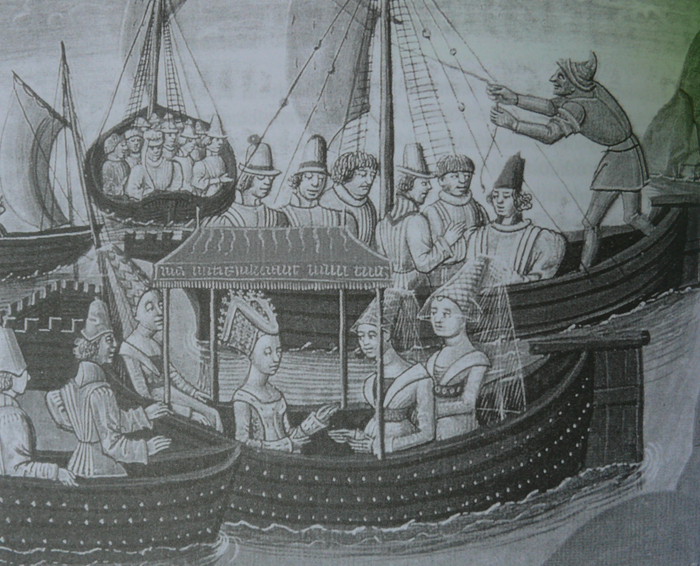

Origins and marriage
Philippa was the daughter of William I, Count of Hainault, and his wife Joan, a member of the French royal family. The marriage was arranged to secure an Anglo-Flemish alliance that could benefit English trade and strategic interests. As was customary among European dynasties, negotiations began when she was young and the marriage was concluded after the death of Edward III’s father, Edward II, and Edward’s accession. The couple were married at York Minster and the marriage quickly established Philippa’s role at the centre of English royal life.
Role at court and political influence
Though Edward III assumed full control of government in the early 1330s, Philippa shared many burdens of queenship: managing the royal household, representing the crown at ceremonial occasions, and overseeing charitable foundations. She travelled with the king on military and diplomatic expeditions, including campaigns to Scotland and the Continent during the opening phases of the Hundred Years' War. When Edward was absent, she was entrusted with the administration of the realm and with protecting the interests of their children and the succession.
Contemporary accounts and later tradition emphasize Philippa’s reputation for compassion and moderation. The most famous episode illustrating her character is her intervention on behalf of the besieged citizens of Calais: she is said to have pleaded for clemency for those who had surrendered to the English, persuading the king to temper punishment. Whether in diplomacy or household management, she was widely regarded as a steadying influence on the king and on court politics.
Family, children, and personal life
Philippa bore numerous children, several of whom played prominent roles in English and European affairs. Her eldest surviving son, Edward, became a leading military commander and heir apparent. Family life, by most accounts, was affectionate; chronicles describe a long and generally happy marriage, despite later tensions in the royal household caused by the king’s extramarital relationship with Alice Perrers and the pressures of politics and war.
- Marriage location: York Minster.
- Royal residences included Woodstock Palace in Oxfordshire and houses around the court.
- Coronation was held at Westminster Abbey, where Philippa received the rites and regalia of queenship.
Patronage, charity, and legacy
Philippa is remembered as a patron of religious houses and educational initiatives. One of the clearest testaments to her influence is the foundation of The Queen’s College, Oxford, established by a former chaplain in her honour; the college continues to bear her association and name to this day (The Queen's College, Oxford). She supported churches, hospitals, and poor relief within England and helped maintain the royal household’s charitable obligations.
Her life intersected with major political events of the era: the overthrow of the previous regime that left her husband king, the prosecution of Roger Mortimer for treason, and the confinement of the queen dowager at Castle Rising. Philippa’s presence at court and on campaign contributed to the monarchy’s public image and to diplomatic ties with her natal family’s territories.
Death and historical assessment
Philippa died at Windsor Castle after a long illness and was mourned as a stabilizing and benevolent queen. Historians typically portray her as a conscientious consort who combined devotion to family and religion with active participation in governance. Her life illustrates the multiple roles expected of a medieval queen: dynastic partner, household manager, intercessor, patron, and occasional ruler in her own right.
For those seeking further reading on her life and times, the biography and primary chronicle material linked by contemporary editors provide fuller detail on her political activities, patronage, and the international networks that shaped 14th-century monarchy (see also accounts referring to the queen consort, her husband Edward III, and the wider dynastic context).
Author
AlegsaOnline.com Philippa of Hainault: Queen Consort, Diplomat, and Patron of Learning Leandro Alegsa
URL: https://en.alegsaonline.com/art/128645