
Edward, the Black Prince (Edward of Woodstock)
Eldest son of Edward III, a leading English commander in the Hundred Years' War, Prince of Wales and Prince of Aquitaine, remembered for victories at Crécy and Poitiers and for his contested legacy.
Overview
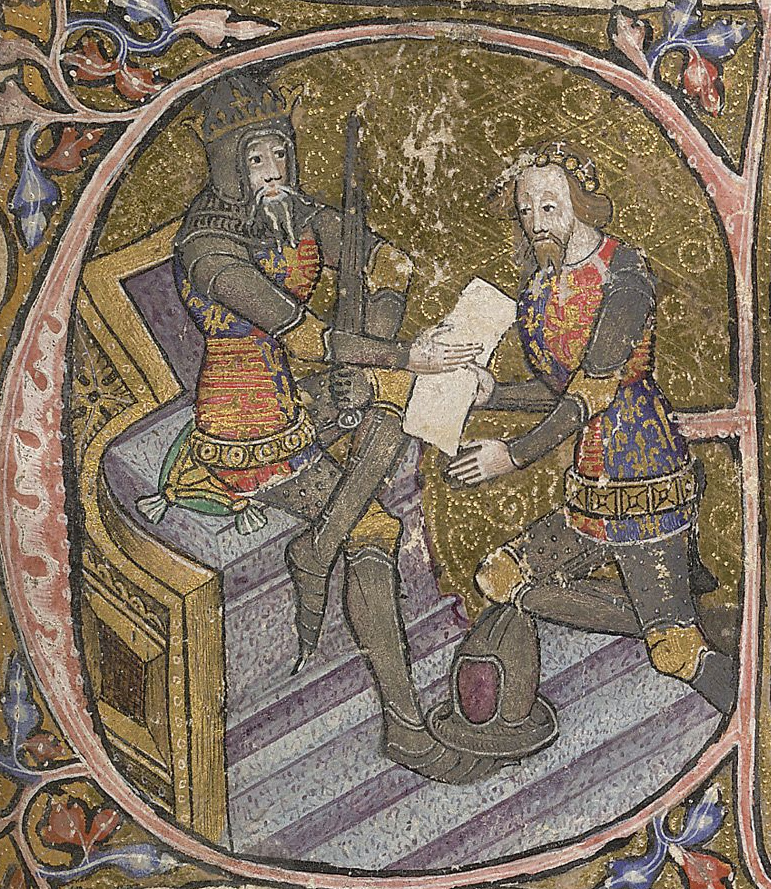
Edward of Woodstock (15 June 1330 – 8 June 1376), commonly known as the Black Prince, was the eldest son of King Edward III of England. As heir apparent he held the title Prince of Wales and became one of the most prominent English commanders of the early phases of the Hundred Years' War. Although he predeceased his father and never became king, his life shaped English military prestige and the succession that produced Richard II.
Image gallery
10 Images


Early life and titles
Edward was born at Woodstock Palace near Oxford. He was invested as Prince of Wales while still a youth and later governed territories in France, most notably as Prince of Aquitaine. His upbringing combined martial training with the duties expected of the senior prince of the realm, preparing him for command and administration in a kingdom at war.
Military career and achievements
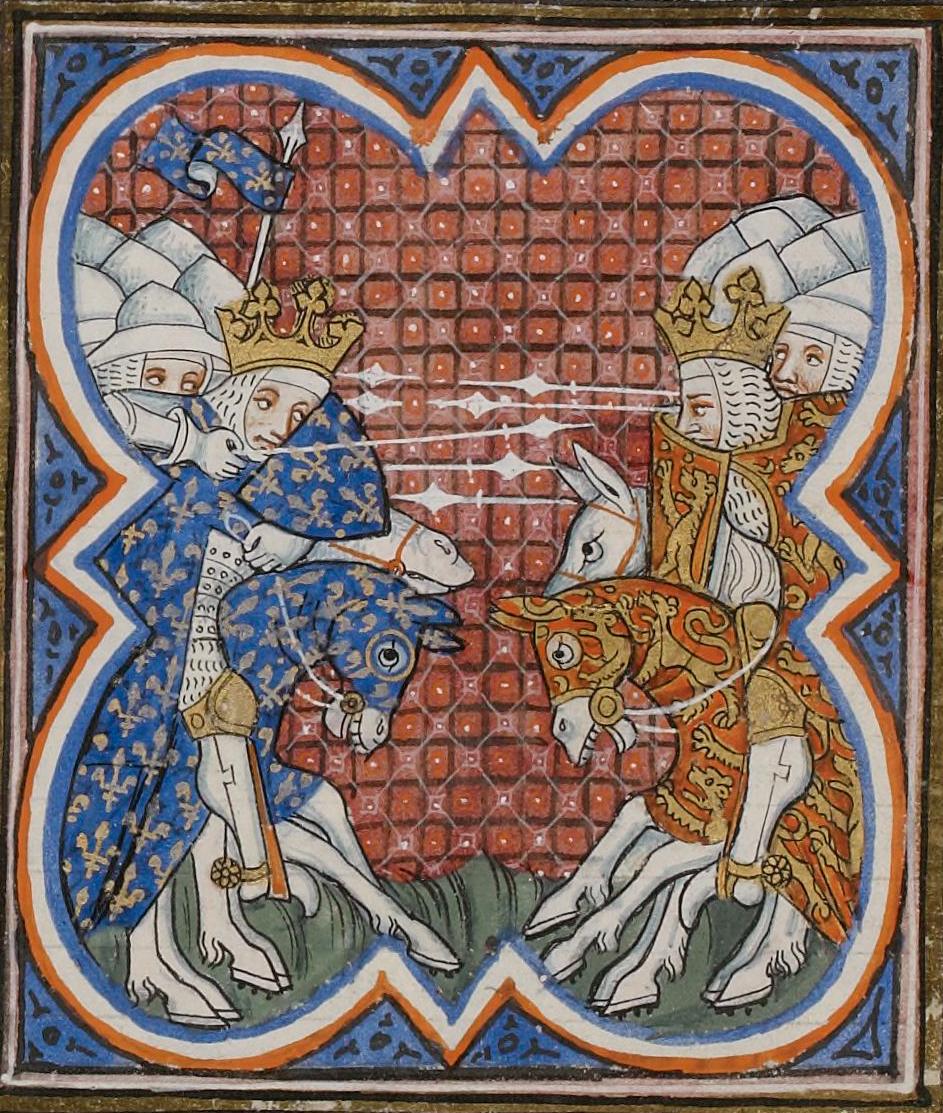
Edward first gained wide renown on campaign under his father, King Edward III. He fought at the Battle of Crécy and later commanded English forces with great success at the Battle of Poitiers, where the English captured the French king. His military skill, use of longbowmen, and tactical decisions contributed to decisive English victories that altered the balance of the Hundred Years' War.
Family, marriage and succession
In 1361 Edward married his cousin Joan of Kent. The marriage produced two sons, the elder of whom died in childhood. The younger son, Richard, later inherited his titles and succeeded to the throne as Richard II after the death of Edward III. Because Edward the Black Prince predeceased his father, he never wore the crown himself.
Reputation, controversies and legacy
His nickname, "the Black Prince," appears in later chronicles and its origin is uncertain. He was a founding member of the Order of the Garter, and was widely admired in England as an exemplar of chivalry. At the same time, episodes from his campaigns—such as conduct during sieges and the sack of towns—have led historians to debate the severity of his methods and the extent to which they reflected contemporary warfare or exceptional brutality. He died in Westminster and was buried at Canterbury Cathedral.
Further reading and resources
- Woodstock Palace — birthplace of Edward of Woodstock
- Westminster Palace — where he died
- King Edward III — his father and military patron
- Oxford — regional context for his upbringing
- Prince of Wales — title invested on him as heir
- France — principal theatre of his campaigns
- Battle of Crécy — important early victory
- Battle of Poitiers — decisive English success under his command
- Order of the Garter — chivalric order he helped found
- Joan of Kent — his wife
- Richard II — his surviving son and successor
- Canterbury Cathedral — his burial place
Edward the Black Prince remains a central figure in the story of medieval England: celebrated as a warrior prince and chivalric leader, controversial for the harshness sometimes associated with his campaigns, and consequential because his early death altered the dynastic course of the English monarchy.
Questions and answers
Q: Who was Edward, the Black Prince?
A: Edward, the Black Prince, was the oldest son of King Edward III of England who became a famous soldier and a founding member of the Order of the Garter.
Q: When and where was Edward born?
A: Edward, the Black Prince, was born on 15 June 1330 at Woodstock Palace, near Oxford in England.
Q: What battles did Edward participate in and command?
A: Edward participated and played a crucial role in the Battle of Crécy and also commanded the Battle of Poitiers.
Q: Who did Edward marry, and how many sons did they have?
A: Edward married his cousin, Joan of Kent, in 1361, and they had two sons, Edward and Richard.
Q: What happened to Edward's older son, Edward?
A: Unfortunately, Edward's older son, Edward, died when he was only six.
Q: Why is Edward known as "the Black Prince"?
A: The reason for the nickname "the Black Prince" is unknown.
Q: Did Edward become king of England?
A: No, Edward never became king of England because his father was still living when he died. However, he requested his father to give the title Prince of Wales to his son Richard, who later became King Richard II of England.
Related articles
Author
AlegsaOnline.com Edward, the Black Prince (Edward of Woodstock) Leandro Alegsa
URL: https://en.alegsaonline.com/art/30294