
The Hundred Years' War (1337–1453)
A prolonged series of conflicts between the kingdoms of England and France in the late Middle Ages, driven by dynastic claims, territorial disputes, and changing military and political structures.
The Hundred Years' War was a prolonged sequence of military campaigns, diplomatic conflicts and intermittent truces fought between France and England during the Late Middle Ages. Lasting from 1337 to 1453, the struggle spanned more than a century of contested kingship, shifting alliances and social change. Although commonly called a single war, it is better understood as several connected phases in which control of territory, claims to thrones and the balance of power in western Europe were repeatedly contested.
Image gallery
10 Images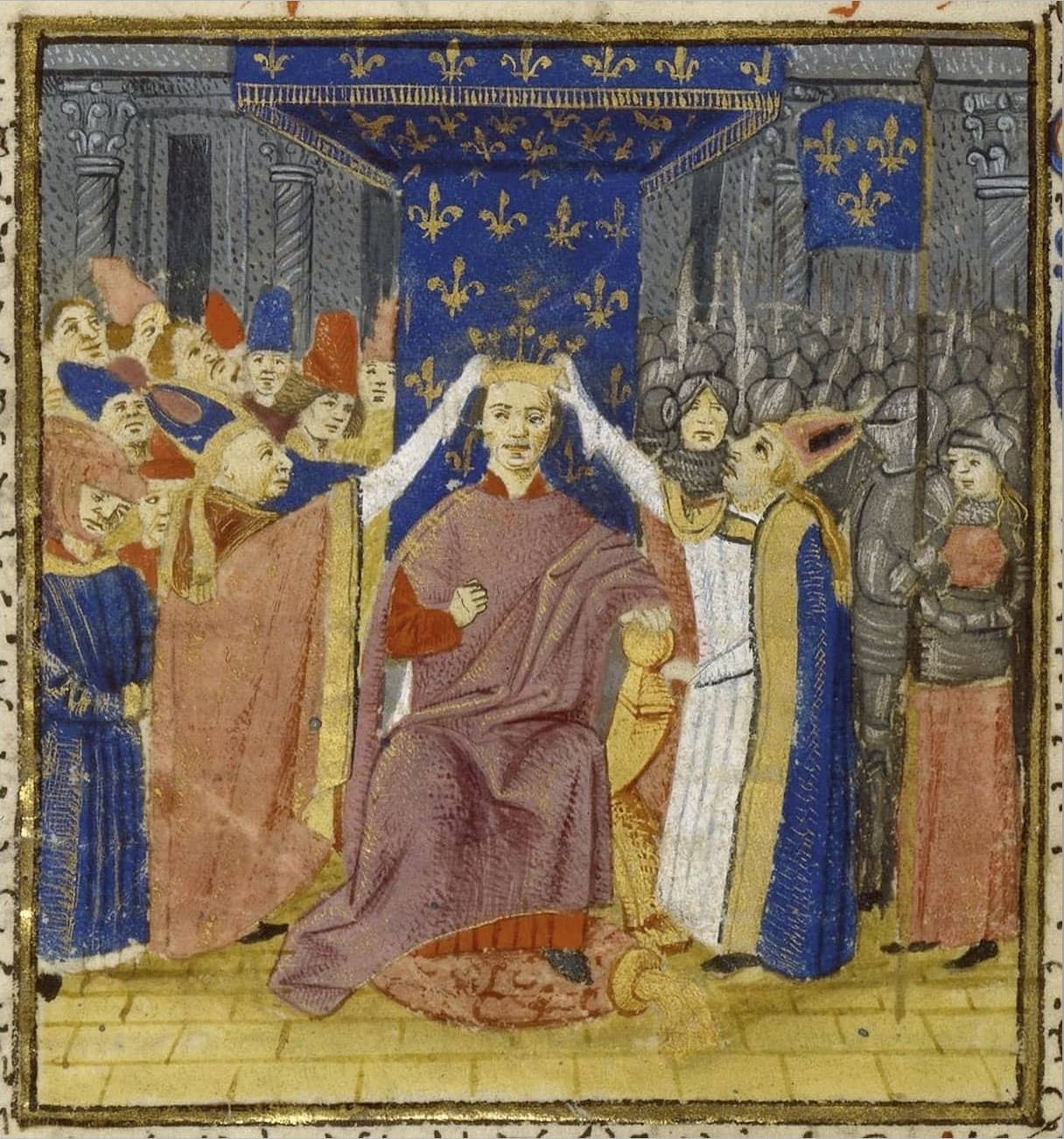




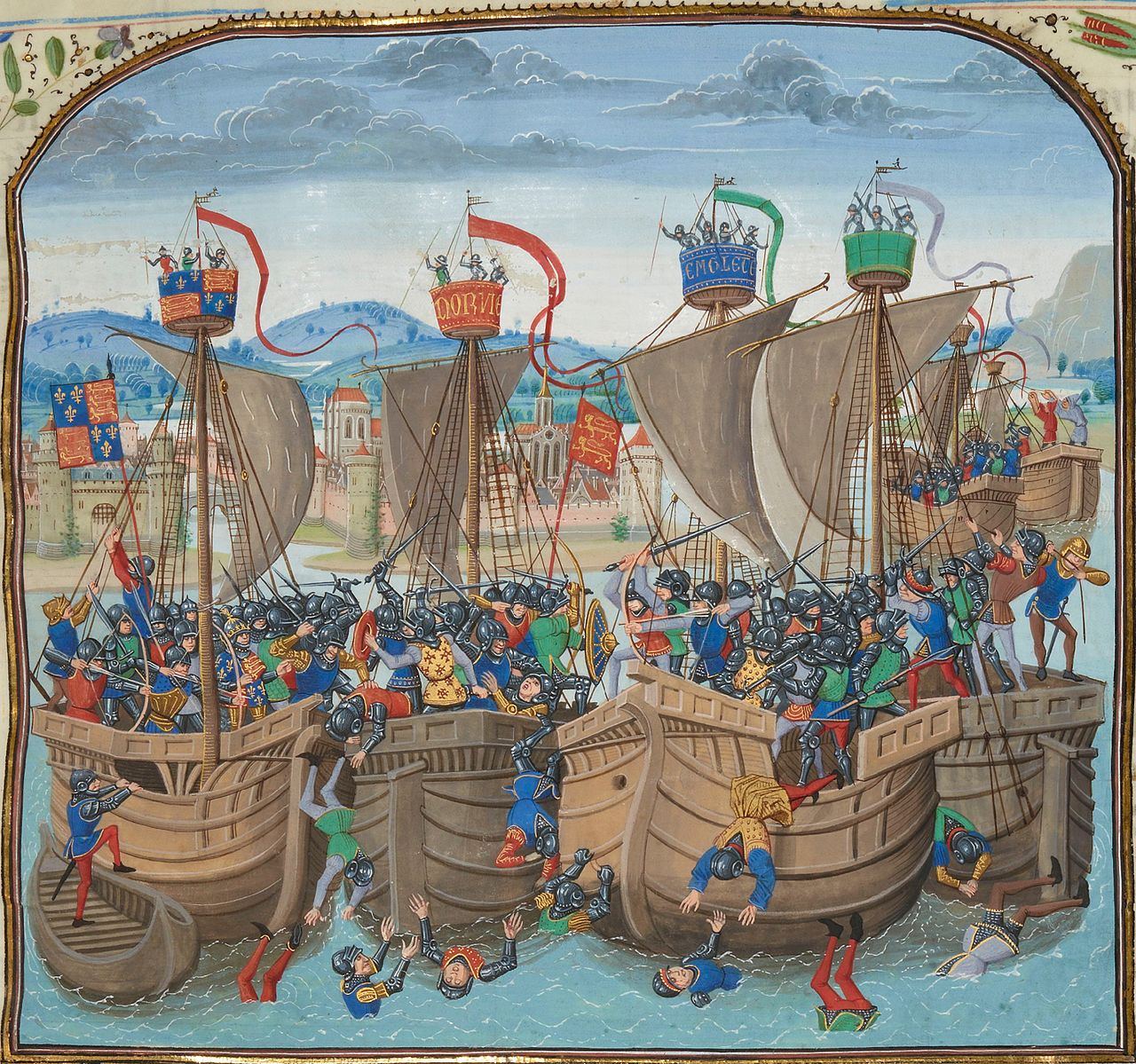
Causes and competing claims
At the heart of the conflict was a dynastic dispute that followed the death of Charles IV of France without a surviving male heir. The English king, Edward III, pressed a claim to the French crown through his mother, asserting a hereditary right that many in England accepted. French nobles and the new French king, Philip VI, rejected the claim on the grounds of succession practice in France. French legal tradition was interpreted to exclude inheritance through the female line, commonly associated with the Salic law, and this was used to justify reserving the throne for male-line descendants. Dynastic rivalry combined with long-standing territorial tensions—especially over English possessions in Gascony and Aquitaine—to make open warfare likely.
Phases and notable engagements
Historians often divide the conflict into several campaigns rather than one continuous war. Major phases included the early Edwardian successes, a middle period of French recovery and episodic fighting, and a later phase marked by renewed English offensives under Henry V and a final French resurgence. Key battles and events that shaped the course of the wars include:
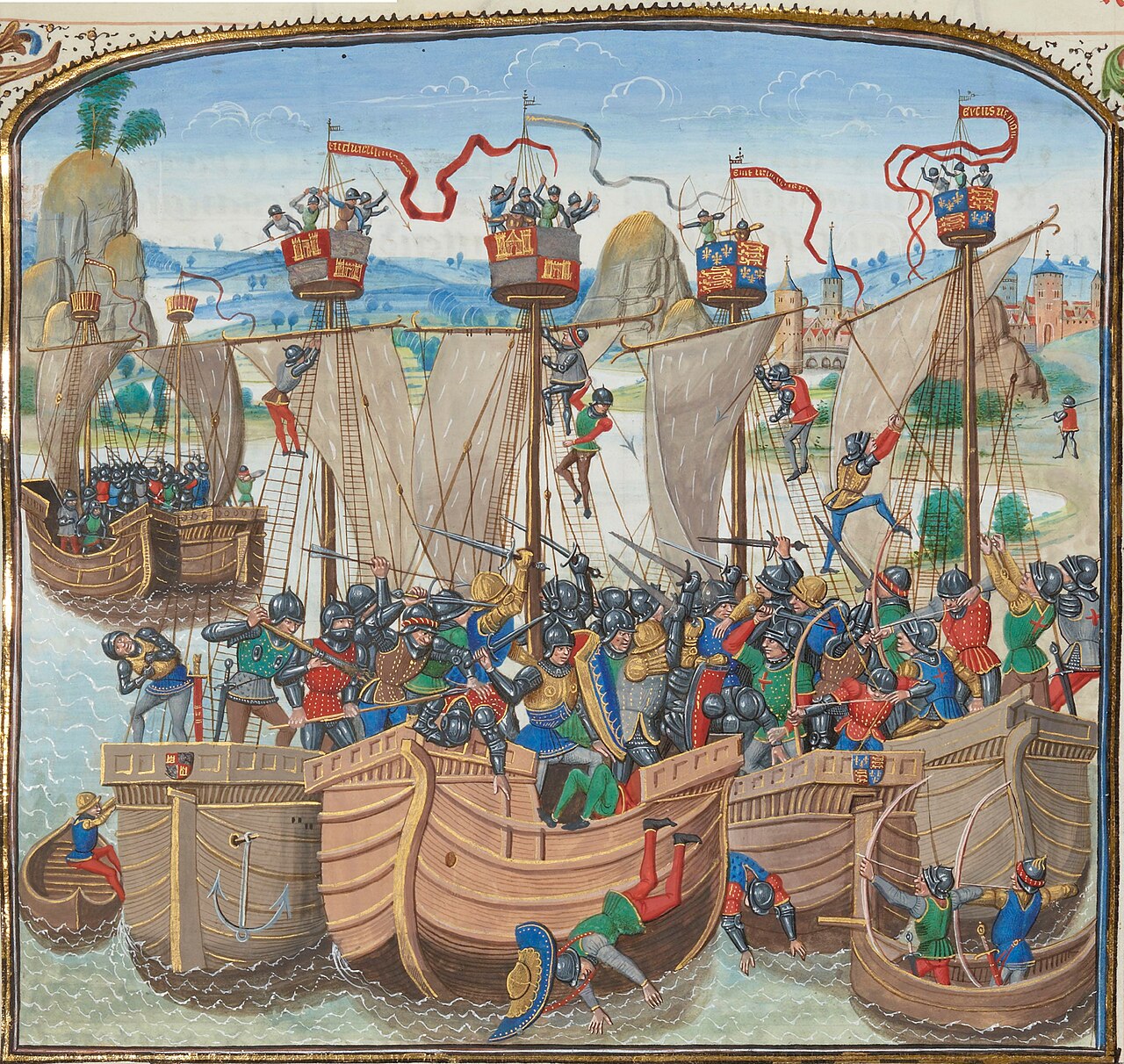
- Crécy (1346) — An important English victory that showcased the effectiveness of longbowmen against heavy cavalry.
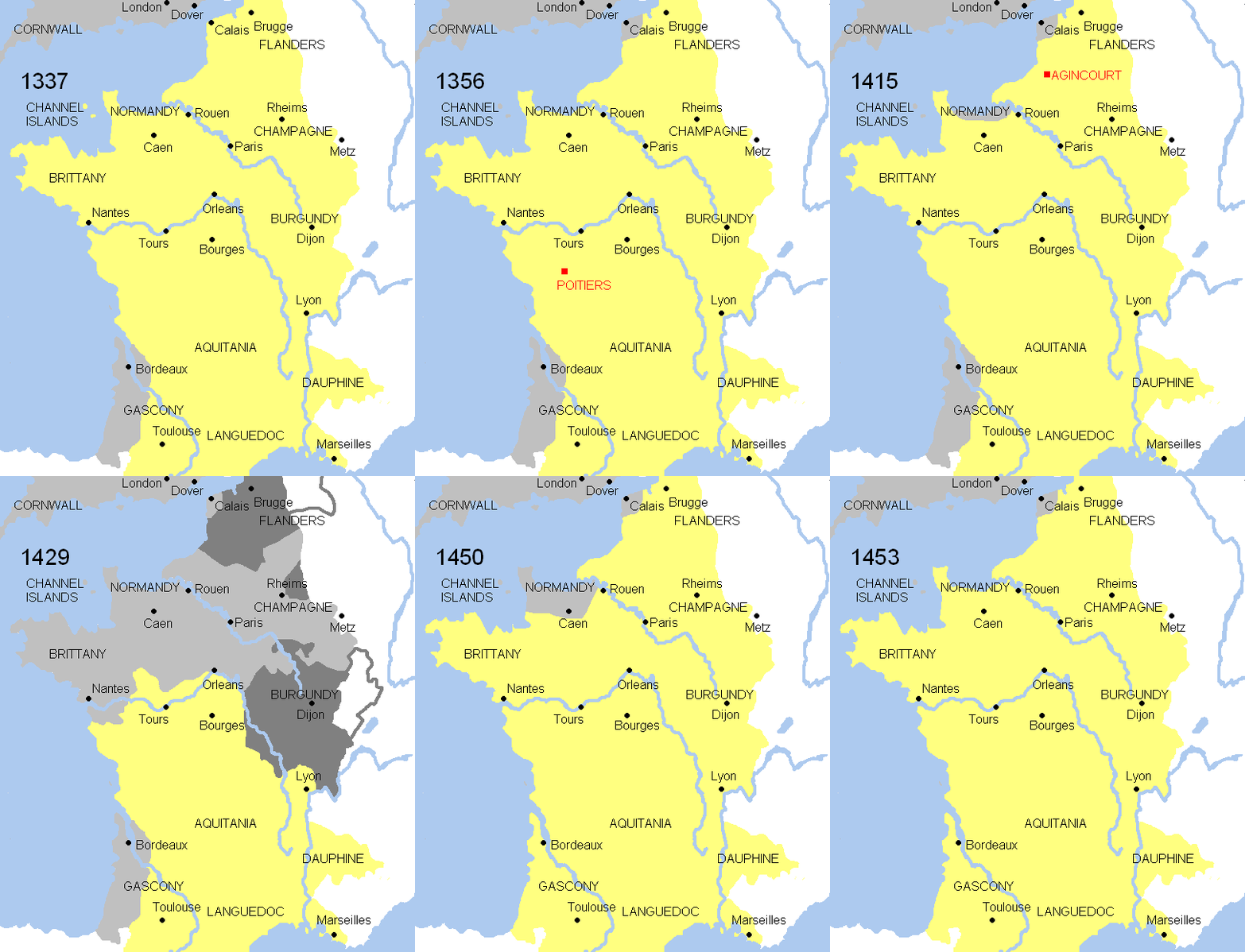
- Poitiers (1356) — Another major engagement where the English captured the French king, destabilizing French politics.
- Agincourt (1415) — A renowned English victory in which terrain, weather and infantry played decisive roles.
- Siege of Orléans and Joan of Arc (1429) — A turning point in which French forces rallied around a popular figure, helping to restore momentum to the French crown.
Military developments and consequences
The prolonged fighting accelerated changes in warfare and governance. The war underlined the military value of professional infantry, archery (notably the English longbow) and, later, gunpowder weapons, contributing to a decline in the dominance of feudal heavy cavalry. Financial and administrative demands encouraged stronger central governments and more regular taxation to fund armies, while repeated campaigns and occupation influenced local economies and society. By the war’s end, English territorial holdings on the continent had been largely lost, and French royal authority emerged more consolidated.
Historical significance and legacy
Although intermittent and episodic, the Hundred Years' War had far-reaching effects: it helped accelerate the transition from medieval to early modern political structures, fostered emerging senses of national identity in both England and France, and altered military practice. The conflict left a legacy in cultural memory, literature and institutional change across western Europe. While its causes were dynastic and territorial, its consequences were structural, reshaping monarchy, warfare and society in ways that influenced later centuries.
For further reading on specific battles, diplomatic treaties and biographies of leading figures, consult specialist works and archival sources that explore each phase in greater detail.
Questions and answers
Q: What was the Hundred Years' War?
A: The Hundred Years' War was a conflict fought between France and England during the late Middle Ages from 1337 to 1453.
Q: How long did the war last?
A: The war lasted 116 years.
Q: What caused the Hundred Years' War?
A: The Hundred Years' War began when Charles IV of France died in 1328 without an immediate male heir, leading Edward III of England to believe he had a right to become king of France through his mother. Since French law prevented women from ruling or transmitting rights to their sons, both countries went to war over this disagreement.
Q: Who was Charles IV of France?
A: Charles IV of France was the King who died in 1328 without an immediate male heir, which led to the start of the Hundred Years' War.
Q: Who believed they had a right to become king of France after Charles IV's death?
A: Edward III of England believed he had a right to become king of France through his mother after Charles IV's death.
Q: Why didn't French law allow women to rule or transmit rights to their sons?
A: French law prohibited women from ruling or transmitting rights because it followed Salic Law, which stated that only men could inherit land and titles.
Q: What happened as a result of this disagreement between England and France?
A: As a result of this disagreement between England and France, both countries went to war with each other, beginning what is known as the Hundred Years' War.
Related articles
Author
AlegsaOnline.com The Hundred Years' War (1337–1453) Leandro Alegsa
URL: https://en.alegsaonline.com/art/45729
Sources
- hyw.com : Medieval Life & The Hundred Years War