
Oxfordshire
Oxfordshire (Oxon) is a ceremonial county in South East England centred on the university city of Oxford. It combines historic towns, rural landscapes, research and publishing, motorsport and biotech activity.
Overview
Oxfordshire, often abbreviated to Oxon and historically Latinised as Oxonia, is a ceremonial county in South East England. The city of Oxford dominates the county's identity: its university has shaped the local economy, culture and international reputation for centuries. Around the city lie market towns, agricultural land and areas of protected landscape, giving the county a mixture of urban, suburban and rural character.
Image gallery
9 Images



Geography and administration
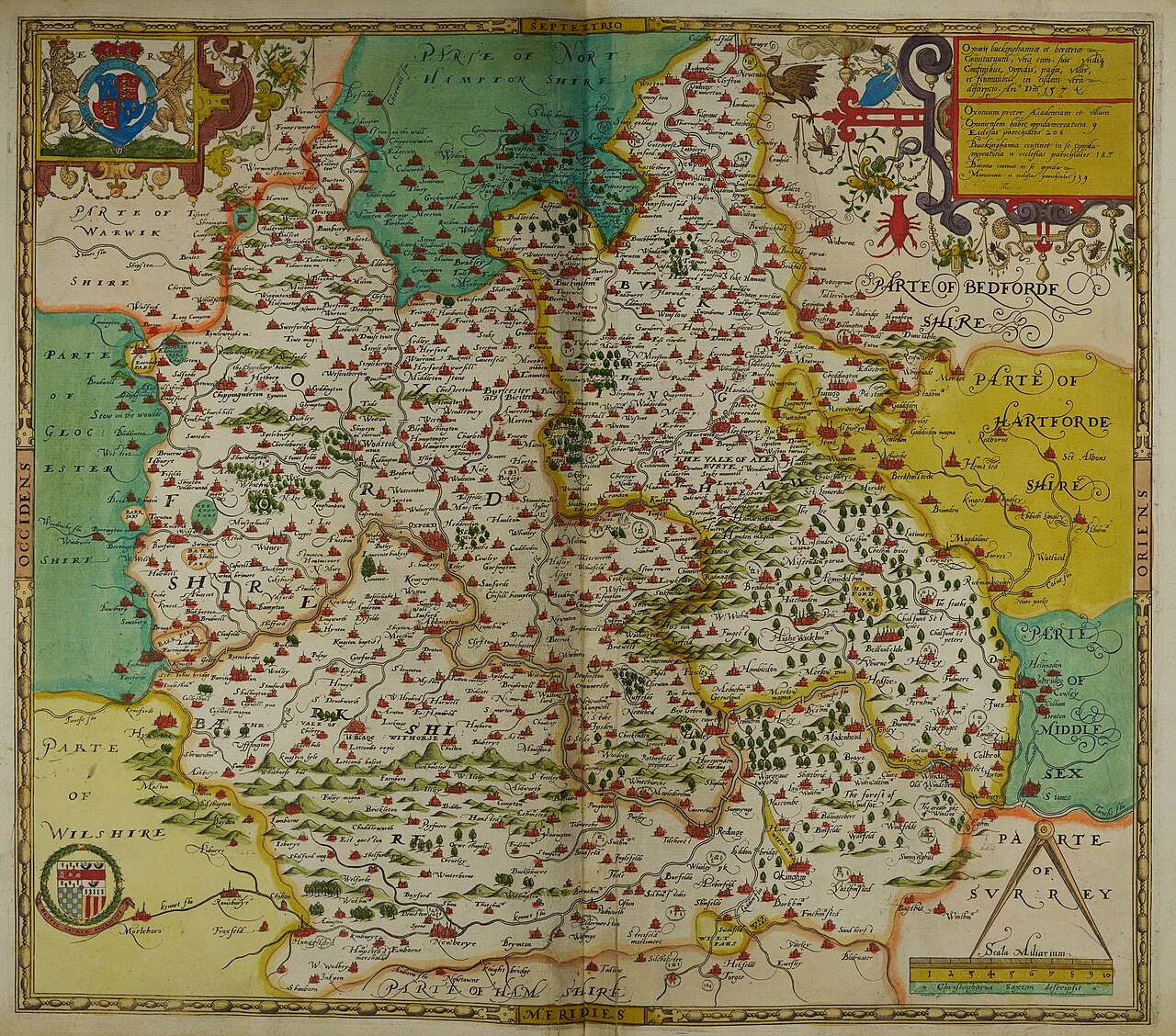
Oxfordshire borders several neighbouring counties, including Northamptonshire, Buckinghamshire, Berkshire, Wiltshire, Gloucestershire and Warwickshire. For local government purposes it is divided into five districts: the city of Oxford, Cherwell, Vale of White Horse, West Oxfordshire and South Oxfordshire. Administrative arrangements link county and district councils for services such as education, transport planning and social care.
History and cultural heritage
The county's landscape shows long human settlement, with prehistoric earthworks, Bronze Age sites and later Roman and Anglo-Saxon features. Medieval development centred on market towns and ecclesiastical foundations. The University of Oxford, one of the oldest universities in the English-speaking world, has been a central cultural and intellectual force since the Middle Ages, attracting students, scholars and visitors and influencing literature, learning and local institutions.
Economy and notable industries
Oxfordshire has a diverse economy. Tourism plays an important role, drawing visitors to college architecture, riverside towns and country houses; the county supports a substantial tourism sector. Publishing and printing have long roots, exemplified by Oxford University Press and other firms. Research and higher education underpin a regional concentration of technology and life-science firms, including biotechnology companies linked to university research and innovation (biotech). The county also hosts specialist engineering and motorsport businesses, with clusters of workshops and testing facilities that contribute to technical expertise and employment.
Settlements, population and development
While Oxford is the main urban centre, other significant settlements include Banbury, Bicester, Chipping Norton and Witney to the north and west, and towns to the south and east such as Thame, Wantage, Didcot and Henley-on-Thames. Planning for future growth has targeted several towns as locations for housing and economic development while seeking to protect valued landscapes and historic centres. Transport nodes and commuter links to London and other regional cities influence patterns of housing demand.
Transport and infrastructure
Oxfordshire's transport network combines local roads, major trunk routes and rail links. Rail services connect Oxford and other towns with London and regional centres, and major roads provide connections across the county and to neighbouring regions. Local transport planning increasingly emphasises sustainable travel, public transport improvements and measures to manage traffic around historic towns and conservation areas.
Landscape, nature and recreation
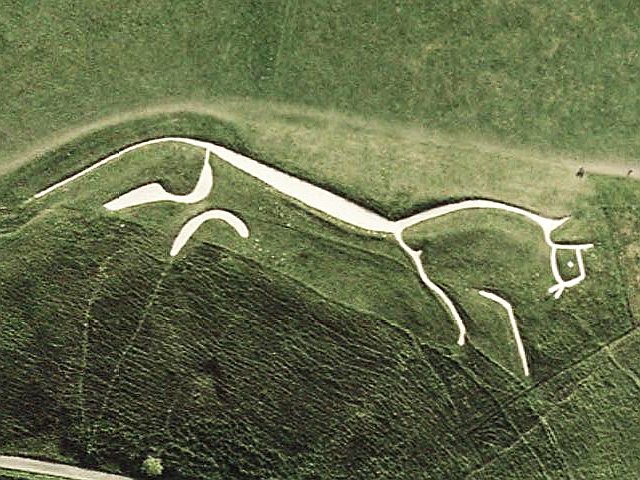
The county contains varied scenery: the chalk downs and escarpments of the Vale of White Horse, river valleys formed by the Thames and smaller tributaries, and the wooded hills that fringe the Cotswolds. The highest point is Whitehorse Hill in the Vale of White Horse, rising to about 856 feet (261 m). There are numerous public footpaths, country parks and riverside walks; conservation designations protect landscapes, biodiversity and archaeological features.
Education, research and culture
Beyond the university itself, Oxfordshire has a network of schools, further-education colleges and research institutes. University-linked spinouts, research parks and collaborative ventures support innovation in fields from publishing to life sciences. Cultural life draws on academic institutions, museums, literary festivals and historic houses, creating a mixture of town-centre events and rural traditions.
Places of interest and tourism
- Historic college architecture and university museums in Oxford.
- Riverside towns and rowing traditions on the Thames, notably in Henley-on-Thames.
- Market towns with traditional high streets such as Banbury and Bicester.
- Archaeological and scenic features of the Vale of White Horse and long-distance walking routes.
Governance and services
Local government responsibilities are shared between the county council and district councils, covering education, social services, waste management and local planning. Community organisations and voluntary groups play a notable role in conservation, heritage interpretation and local events, contributing to civic life across urban and rural communities.
Further reading and resources
Readers seeking more detail about geography, history, transport or local services can consult official county publications, local archives and reputable guidebooks. Online resources and local council pages provide practical information on planning, visitor attractions and public services; for institutional history and publishing matters see sources relating to Oxford University Press and the university. For biotechnology and industry links see regional research and enterprise materials: many local initiatives highlight partnerships between academia and business (biotech).
Questions and answers
Q: What is the full name of Oxon?
A: The full name of Oxon is Oxfordshire.
Q: How many local government districts are there in Oxfordshire?
A: There are five local government districts in Oxfordshire: Oxford, Cherwell, Vale of the White Horse, West Oxfordshire and South Oxfordshire.
Q: What is the main centre of population in the county?
A: The main centre of population in the county is the city of Oxford.
Q: What other significant settlements are located near to Oxford?
A: Other significant settlements near to Oxford include Bicester, Banbury, Chipping Norton to the north; Witney to the west; Thame and Chinnor to the east; and Abingdon, Wantage, Didcot and Henley-on-Thames to the south.
Q: What industry has a major presence in this area?
A: The area has a major tourism industry as well as a concentration of motorsport companies and facilities. Additionally, there is also a concentration of print and publishing firms linked with Oxford University Press as well as biotechnology companies associated with the university.
Q: Where can you find Whitehorse Hill which is highest point in this county?
A:Whitehorse Hill can be found within Vale Of White Horse district reaching 856 feet (261m).
Related articles
Author
AlegsaOnline.com Oxfordshire Leandro Alegsa
URL: https://en.alegsaonline.com/art/73816