
Edward III of England: king, soldier and architect of dynastic politics
Edward III (1312–1377) reigned fifty years, led England through the early Hundred Years' War, founded the Order of the Garter and shaped royal government amid plague, military triumphs and dynastic conflict.
Overview
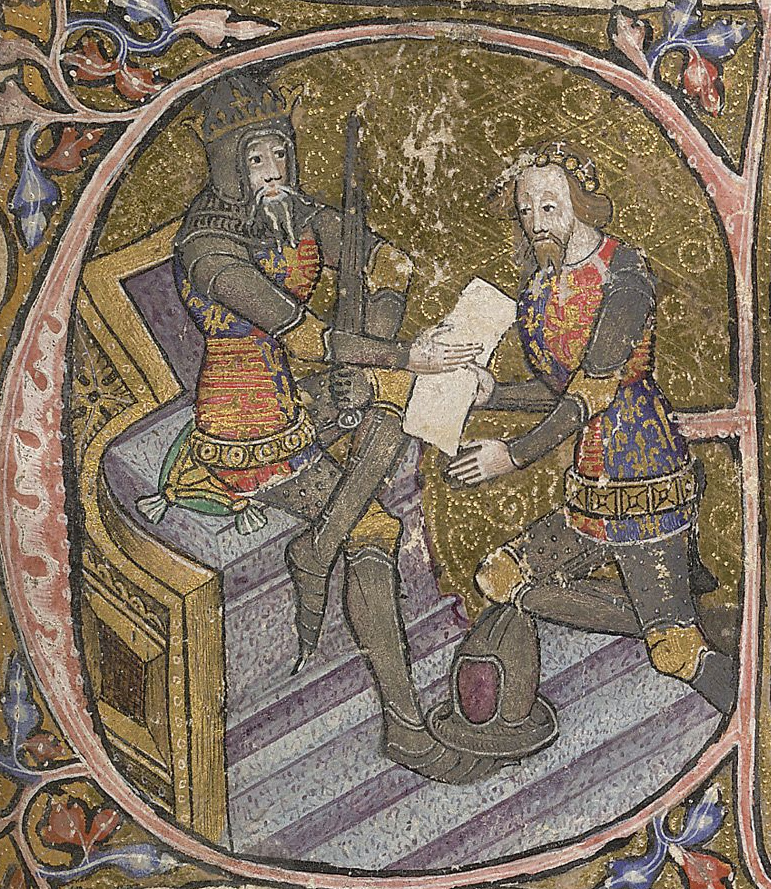
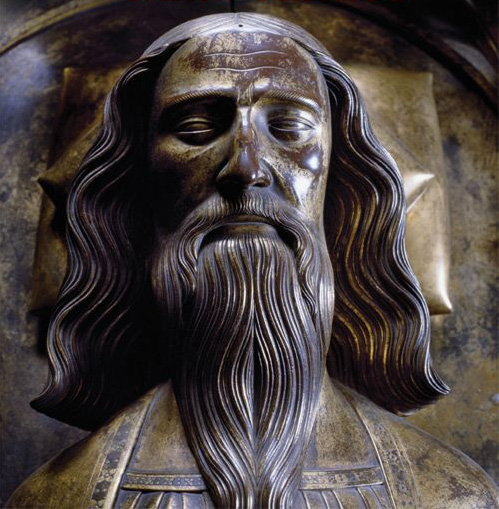
Edward III (13 November 1312 – 21 June 1377) was King of England for half a century. He came to the throne as a teenager after his father was forced to abdicate in 1327, and his long reign established England as a leading military power in Western Europe for several decades. His rule combined aggressive foreign policy, institutional development at home, and the personal prestige of battlefield success.
Image gallery
10 Images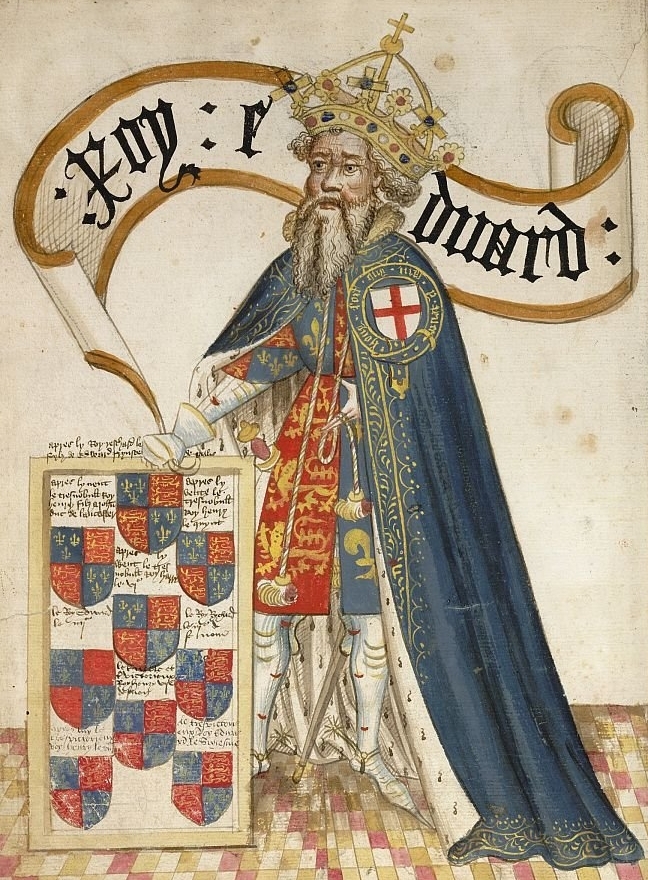




Reign and warfare
After early campaigns in the British Isles, including a notable victory over the Scots at the Battle of Halidon Hill and related confrontations, Edward pressed a claim to the French crown and in 1337 asserted himself heir to the French throne. This claim precipitated the long series of Anglo-French conflicts commonly called the Hundred Years' War. English arms enjoyed remarkable successes in the middle of the 14th century, winning decisive encounters at Crécy (1346) and Poitiers (1356), which produced advantageous negotiations and the Treaty of Brétigny. Key elements of Edward's military system included the effective use of the English longbow, professional retinues, and organized chevauchées that pressured French territories.
Government, law and institutions
Edward III invested in royal government and ceremonial institutions as means of consolidating authority. He established the chivalric Order of the Garter, which reinforced noble loyalty, and presided over administrative and parliamentary developments that increased royal revenues and legal centralization. His reign was also marked by the demographic and economic shock of the Black Death, which arrived in England in the late 1340s and altered labor, taxation and social relations.
Family and succession
Edward married Philippa of Hainault and they had many children. Their eldest surviving son, Edward of Woodstock, became famed as the Black Prince. The Black Prince predeceased his father, leaving a son who ascended as Richard II. Dynastic tensions produced further upheavals: Richard II was later deposed by Henry Bolingbroke, who became Henry IV, founding the Lancastrian line. Rival claims stemming from Edward's offspring—most notably the descent of John of Gaunt's children and the line of Lionel—helped set the stage for the later Wars of the Roses; disputes over seniority in the royal family (including the claim traced through Lionel of Antwerp) were part of that long dynastic struggle.
Notable achievements and later reputation
Contemporaries and generations that followed often praised Edward's energy, military success and patronage of chivalry. He was less active in his final years, hampered by illness and advancing age, and he died of a stroke in 1377. Over time historians have debated his character and priorities: some earlier commentators criticized him as an adventurer, while many modern historians emphasize his administrative reforms, military organization and the cultural impact of his reign. Edward III's era left a complex legacy—territorial gains and courtly institutions but also financial strain and dynastic problems that influenced English politics for generations.
- Major military events: Crécy, Poitiers, Treaty of Brétigny.
- Institutional legacies: Order of the Garter, strengthened royal administration.
- Social impact: Black Death, labor and taxation changes.
Questions and answers
Q: Who was Edward III?
A: Edward III was a King of England who ruled for 50 years, from 13 November 1312 to 21 June 1377.
Q: How old was Edward when he became king?
A: Edward was crowned king when he was fourteen years old.
Q: What did Edward do that made England the strongest military power during his reign?
A: During his reign, Edward declared himself heir to the French throne in 1337 and started the Hundred Years' War. He also achieved victories at Crécy and Poitiers which led up to the Treaty of Brétigny, by which he gained a lot of territory. These actions helped make England the strongest military power during his reign.
Q: What other accomplishments did Edward have while ruling?
A: In addition to making England a strong military power, Edward established the Order of the Garter and developed legislature and government.
Q: How did later generations refer to one of Edwards sons?
A: Later generations referred to one of Edwards sons, Edward "of Woodstock," as simply "Edward, The Black Prince."
Q: Who succeeded King Edward III after his death?
A: After King Edwards death in 1377 aged 64, his younger son Richard "of Bordeaux" succeeded him as Richard II of England before being deposed by Henry IV of England whose father John "of Gaunt" had married Lancaster's heiress.
Q: What were Wars of Roses about?
A: The Wars of Roses were fought between two branches descended from two different children from Edwards family; House Lancaster descended from Edwards son Lionel "of Antwerp" and House York descended from Edwards daughter over who should be rightful king.
Related articles
Author
AlegsaOnline.com Edward III of England: king, soldier and architect of dynastic politics Leandro Alegsa
URL: https://en.alegsaonline.com/art/118151