
Edward II of England: reign, favourites, political conflict and legacy
King of England from 1307 to 1327; notable for his close relationships with favourites, conflict with the nobility, military setbacks and a forced abdication that ended in his controversial death.
Edward II (25 April 1284–1327) was King of England from 1307 until his forced abdication in 1327. The son of Edward I, his reign is remembered for intense conflicts with leading barons, two highly influential favourites, and a series of political and military crises that culminated in his removal from power.
Image gallery
10 Images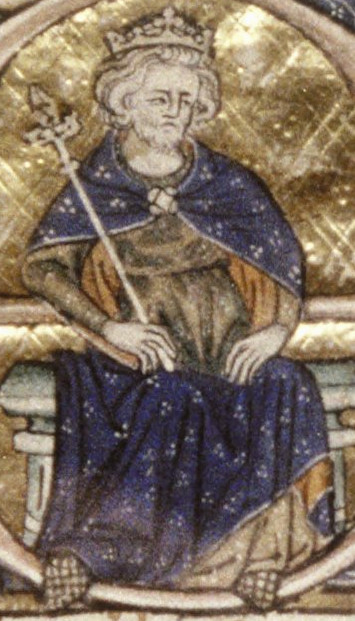


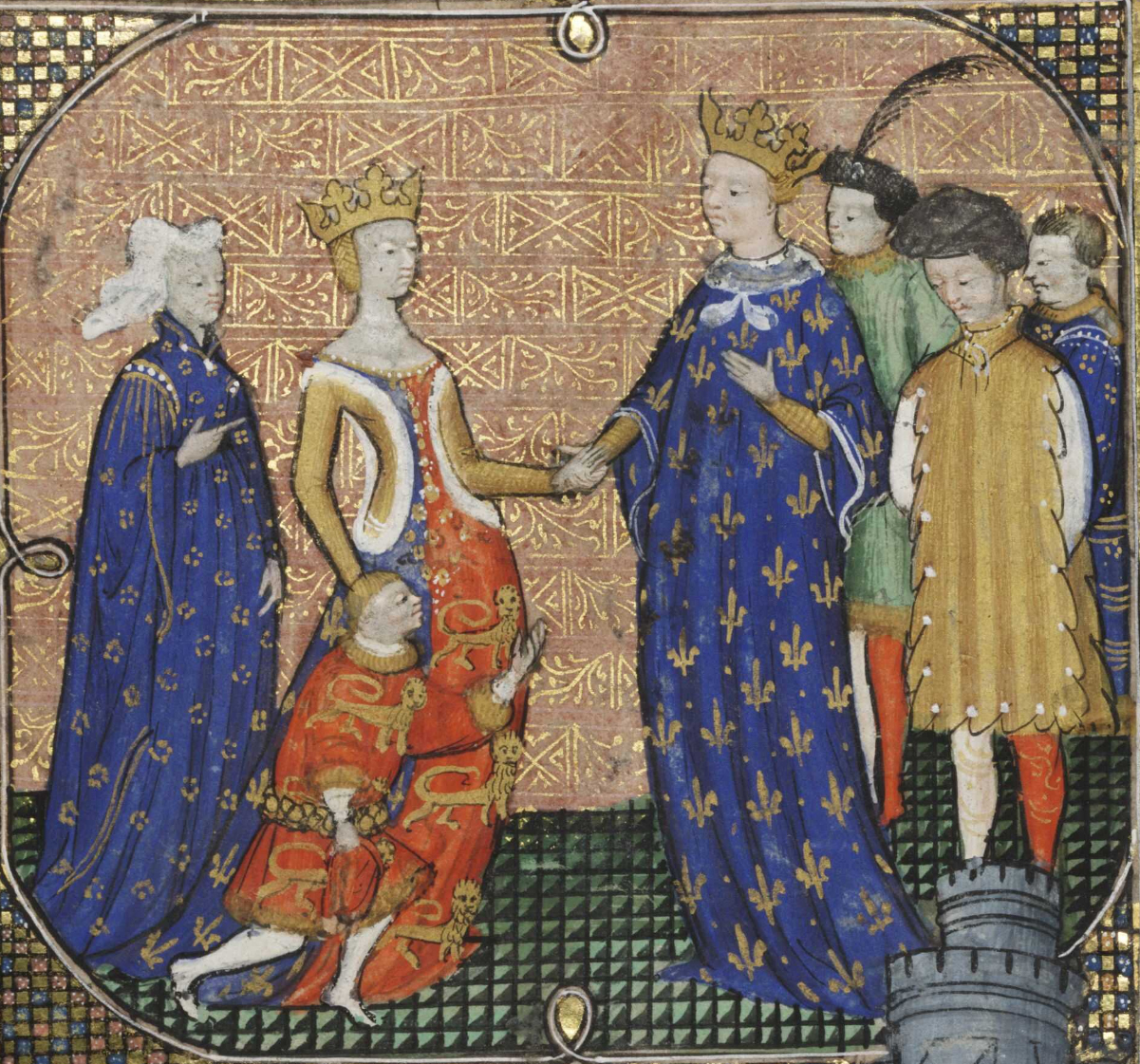
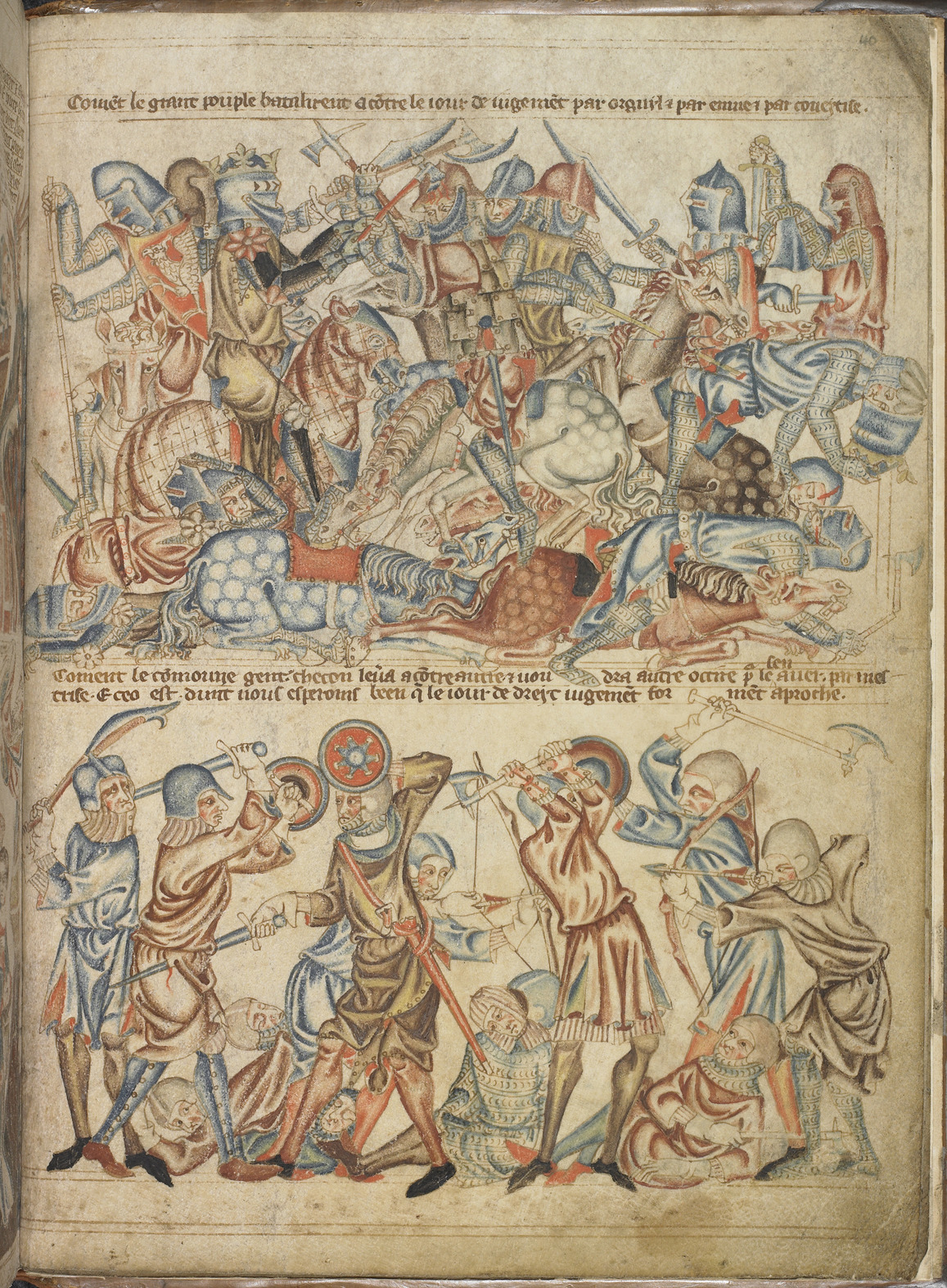
Overview of the reign
Edward inherited an already powerful monarchy but struggled to maintain unity among magnates. His personal attachments to men of non-aristocratic background became central political issues. Historians often point to these relationships, together with policy missteps and weak responses to opposition, as key reasons for the breakdown of royal authority.
Favourites and baronial opposition
Two figures most commonly associated with Edward are Piers Gaveston and Hugh le Despenser. Gaveston, early in the reign, was seen by many nobles as arrogant and was exiled and later executed after repeated conflicts. Later, the Despenser family rose to prominence and drew fierce hostility for perceived greed and influence. Contemporary critics accused the king of preferring these men to experienced nobles, widening factional rifts.
Military and political events
- Military setbacks, notably against Scotland, weakened royal prestige and emboldened opponents.
- Baronial coalitions imposed ordinances and pressed for the exile or punishment of royal favourites.
- The invasion led by Queen Isabella and Roger Mortimer in 1326 ended in the capture of the king and the collapse of his supporters.
Readers can consult contemporary chronicles and modern studies for detailed timelines; online gateways often use entries tied to specific places such as Caernarfon and to episodes like his formal removal from the throne.
Downfall, death and interpretation
Edward was compelled to abdicate in January 1327 in favour of his son, who became Edward III. He died later that year while imprisoned. Accounts of his death range from natural causes to violent murder; one notorious story claims an unusual method, and modern scholars debate the evidence and reliability of such tales. The role of the Despenser family in his fall is central to many narratives and discussion of possible intimate relationships influences interpretation; some writers cite behaviour as evidence for questions about his sexuality, while others urge caution. For discussions of the allegations and their reception see materials linked under alleged murder and homosexuality.
Legacy and historical debate
Edward II's reign provokes conflicting assessments: some view him as a weak king whose personal choices undermined governance, others as a ruler ensnared by factional politics and limited by the period's expectations. His story remains a subject of literary, scholarly and popular interest because it touches on power, loyalty, identity and the limits of medieval kingship. For analysis of his relations with the nobility and the political fallout see further commentary on nobility and political trouble.
Key events, disputed details and the royal context continue to be reassessed by historians; primary sources are fragmentary and later narratives must be treated critically.
Related articles
Author
AlegsaOnline.com Edward II of England: reign, favourites, political conflict and legacy Leandro Alegsa
URL: https://en.alegsaonline.com/art/118152