
Oscar Pistorius: Athlete, Trial, and Public Legacy
Overview of Oscar Pistorius, the South African double-amputee sprinter who competed at elite levels and whose career was overshadowed by the fatal shooting of Reeva Steenkamp and subsequent legal proceedings.
Overview
Oscar Leonard Carl Pistorius (born 22 November 1986) is a South African former sprinter whose athletic achievements and later criminal conviction made him an internationally recognised and controversial figure. Born in Sandton, Johannesburg, he became well known for competing both in para-sport and able-bodied events while using carbon-fibre prosthetic blades. His rise to prominence and the criminal case that followed produced sustained public debate about sport, disability, media coverage and the justice system.
Image gallery
9 Images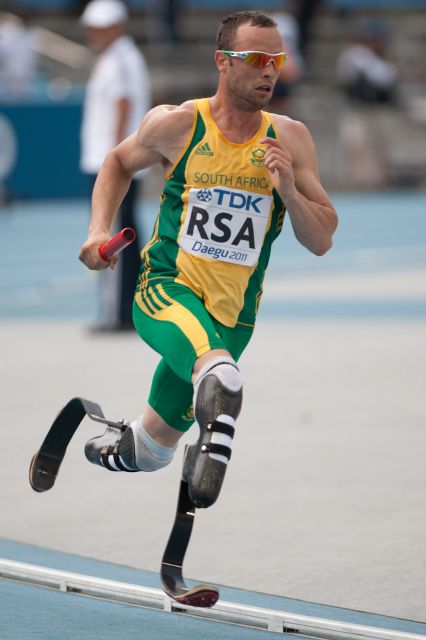




Early life and disability
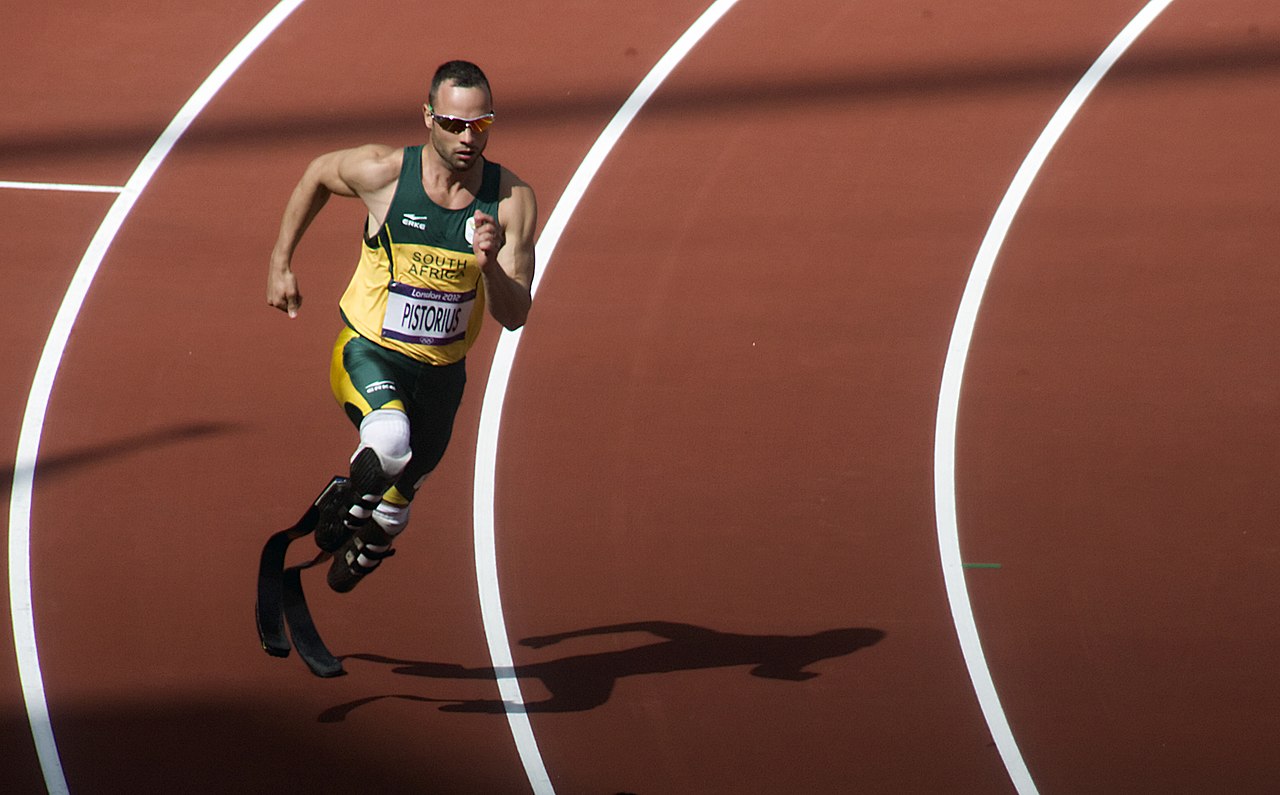
Pistorius was born without fibulae and had both lower legs amputated below the knee when he was an infant. He grew up participating in sport and adopted specialised prosthetic limbs designed for sprinting. These running blades allowed him to train and compete, first within disability sport classifications and later in open competitions. His adaptation to prostheses and athletic success made him a symbol for many in discussions about technological aids and athletic fairness.
Athletic career and characteristics
Pistorius competed internationally in both disability-specific championships and able-bodied meets. He specialised in sprint events, particularly the 100 m, 200 m and 400 m. Known for an aggressive start and a long-stride technique on blades, he attracted attention not only for his results but also for debates over whether prostheses conferred an advantage or represented a different performance profile. Governing bodies and scientists studied the issue before allowing him to race in able-bodied competitions.
Major competitions and achievements
- Made international appearances in able-bodied athletics and was selected for global competitions.
- Competed at the 2012 Summer Olympics in London, becoming the first double-leg amputee to appear in the Olympic Games.
- Also a Paralympic champion, he won multiple medals and set records in Paralympic events.
- Part of relay teams and individual events that generated broad media interest and prompted conversations about inclusion in elite sport.
Criminal case and legal outcomes
On 14 February 2013 Pistorius shot and killed his girlfriend Reeva Steenkamp at his home, an event that sparked intense national and international attention. He was arrested and charged in connection with her death. The case involved extensive forensic, medical and legal testimony and produced several different verdicts and appeals. Initially found not guilty of murder by a trial court, he was convicted of culpable homicide in a subsequent judgment. That conviction was later appealed and an appellate court substituted a murder conviction. Sentencing decisions, appeals and requests for review followed, and he served portions of the sentence under different conditions as the appeals process continued.
Public reaction, debate and legacy
The Pistorius story touched on many themes beyond the criminal facts: the portrayal of disability in the media, the scrutiny of celebrity athletes, and how legal systems handle high-profile cases. Supporters pointed to his sporting achievements and charitable work, while critics highlighted the tragic loss of life and the conduct surrounding the incident. Academics, journalists and advocates have used the case to discuss access to sport for athletes with disabilities, the responsibilities of public figures, and the ethical dimensions of media coverage.
Further information and sources
For contemporary reporting, legal documents and sports records consult reputable archives and official governing bodies. The links below represent a range of coverage, analysis and primary material available through news organisations, court records and sports federations:
- Background and biography
- Sporting classification and prosthetic technology
- Court filings and legal timeline
- Reports on the criminal charges
- Information about Reeva Steenkamp
- Victim impact and public statements
- Medical context of amputations
- Technical details of sprinting prostheses
- Paralympic competition records
- Relay results and team achievements
- Olympic participation records
- Paralympic performances and medals
- Bail and pre-trial procedures
- Trial coverage and transcripts
- Appeals and appellate decisions
- Sentencing and corrections information
Note: This article summarises broadly known events and themes related to Oscar Pistorius. For legal specifics, court judgments and up-to-date custodial status consult official court records and corrections authorities. Debates about prosthetic technology, competitive fairness and media ethics continue to evolve and are discussed in academic literature and sports governance publications.
Questions and answers
Q: What is Oscar Leonard Carl Pistorius known for?
A: Oscar Leonard Carl Pistorius is a South African former sprint runner who is currently serving a prison sentence for the murder of his girlfriend Reeva Steenkamp.
Q: Where was Pistorius born?
A: Pistorius was born in Sandton, Johannesburg.
Q: How did he run races?
A: Both of his legs are amputated above the ankle, and he runs with prostheses. He competed in races for athletes with disabilities as well as international competitions for able-bodied athletes.
Q: What achievements did he make at the 2012 Summer Olympics?
A: At the 2012 Summer Olympics in London, Pistorius became the first double-leg amputee to compete in the Olympics. He won gold medals in the men's 400 metre race and 4 × 100 metres relay, and also won a silver medal in the 200 metres race.
Q: What happened on 14 February 2013?
A: On 14 February 2013, Pistorius shot his girlfriend Reeva Steenkamp dead in his house. He was charged with murder but released on bail after paying R1 million.
Q: When did his trial begin?
A: His murder trial began on 3 March 2014 in Pretoria. During this time, he was diagnosed with generalised anxiety disorder.
Q: What verdict was reached during his trial?
A: On 11 September 2014, he was found not guilty of murder but convicted of manslaughter instead. In December 2015, prosecutors asked permission to appeal this verdict which was granted; eventually it was overturned and he was convicted of murder instead
Author
AlegsaOnline.com Oscar Pistorius: Athlete, Trial, and Public Legacy Leandro Alegsa
URL: https://en.alegsaonline.com/art/127958