
Prosthesis
An overview of prostheses: devices that replace missing body parts, their components, types, history, uses, rehabilitation, and current research toward improved function and sensation.
Overview
A prosthesis is an artificial device designed to replace a missing human body part. Prostheses are used by people who have lost limbs due to injury, disease, or surgery, as well as by those born with limb differences such as congenital limb absence. Many users are described as amputees, while others seek prosthetic care for functional or cosmetic reasons. Modern prosthetic technology ranges from simple passive replacements to advanced, sensor-driven systems that aim to restore movement and improve quality of life.
Image gallery
10 Images




Key components and materials
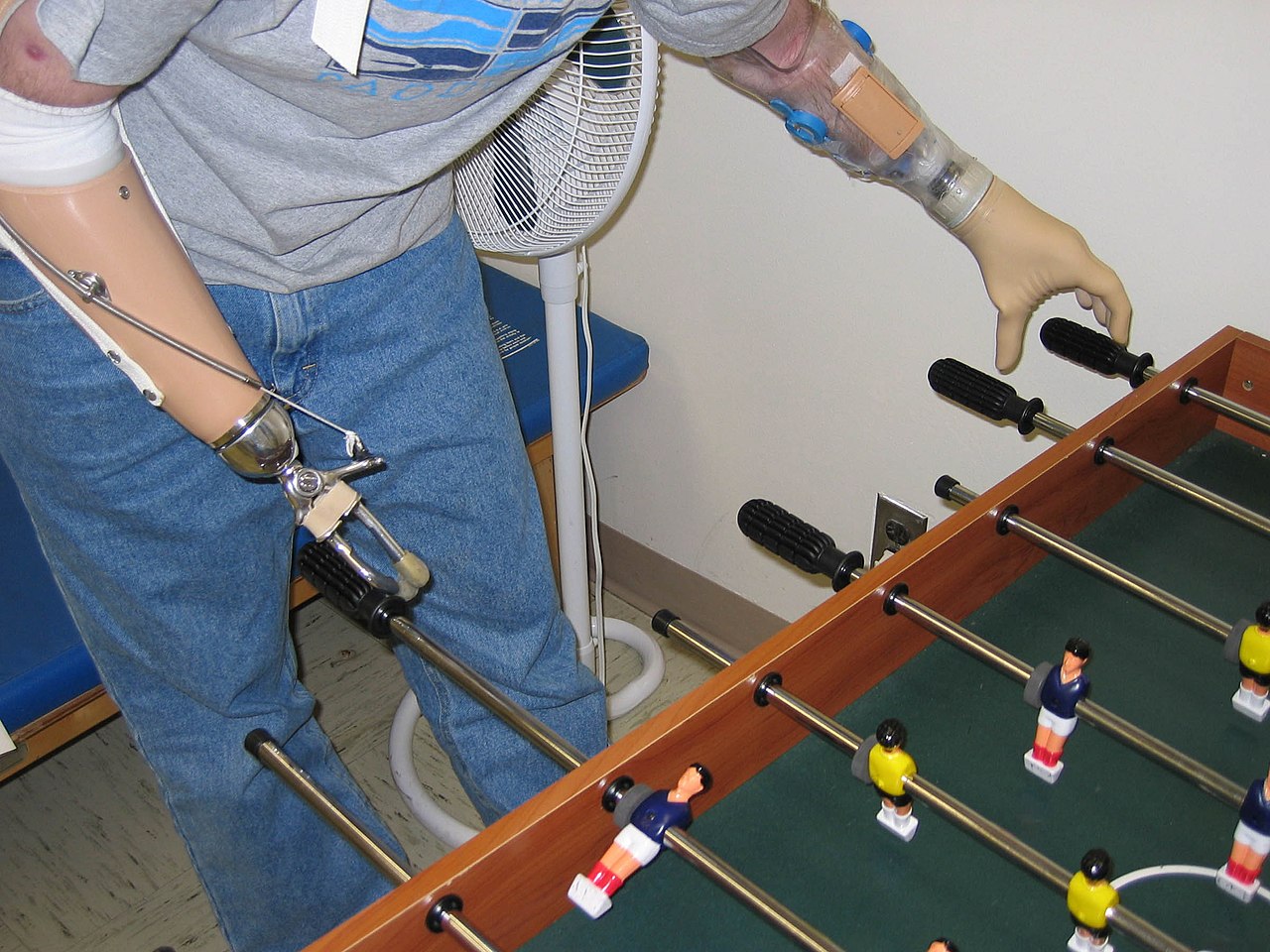
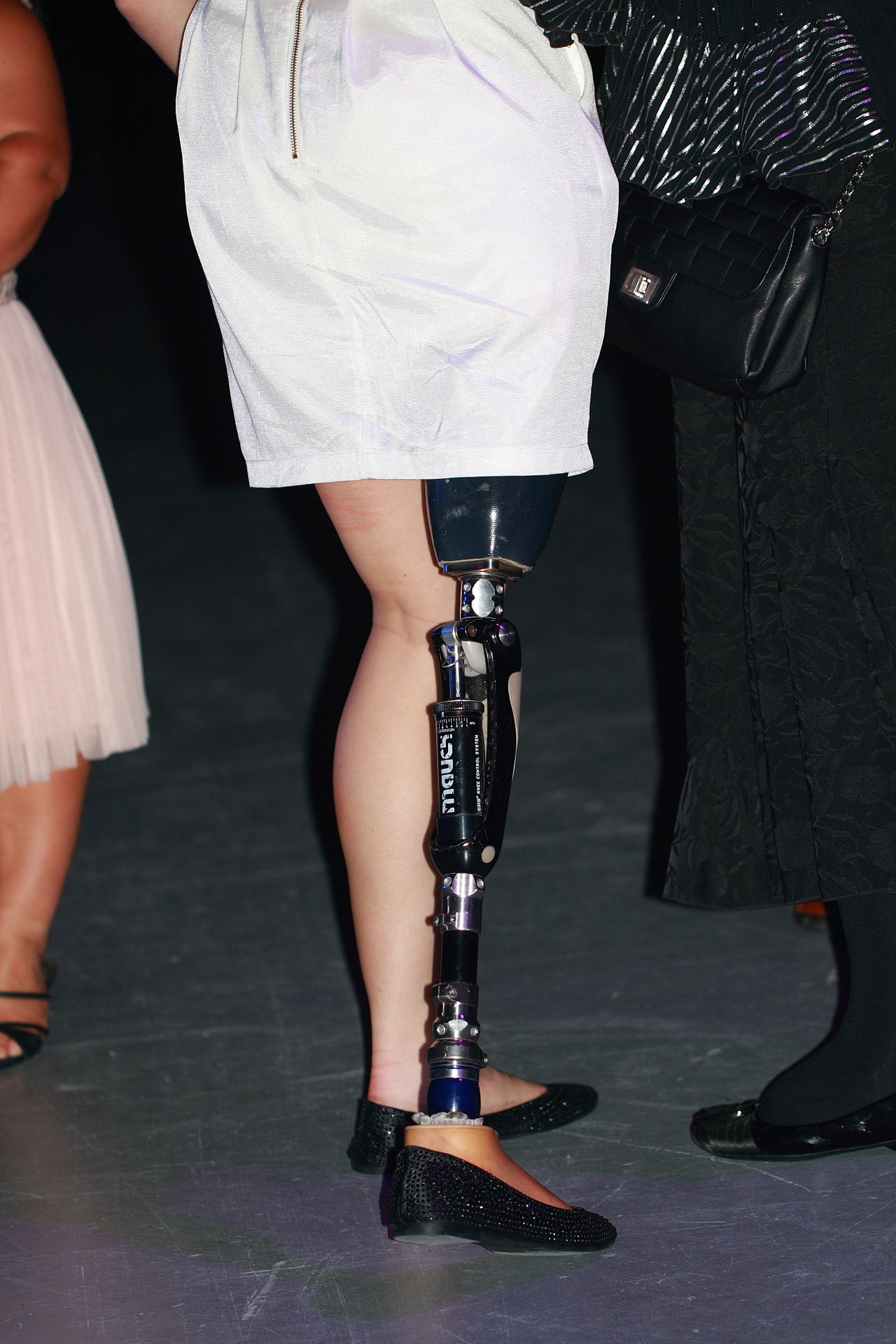
Most limb prostheses combine several functional elements. A typical configuration includes a socket that fits the residual limb, a suspension system to hold the device in place, structural supports (pylon or frame), and a terminal device such as a foot or hand. Common materials include lightweight metals (aluminum, titanium), composite materials (carbon fiber), plastics, and silicone for liners and cosmetic coverings. Comfort, weight, durability, and activity level guide material and design choices.
- Socket and liner: interface between body and device
- Suspension: straps, suction, vacuum or osseointegration
- Pylon and joints: structural support and articulation
- Terminal device: foot, ankle, hand, or specialized tool
Types and modes of control
Prostheses are commonly categorized by the limb level they replace, for example transtibial (below-knee) and transfemoral (above-knee) for lower limbs, or transradial (below-elbow) and transhumeral (above-elbow) for upper limbs. They also differ by control method:
- Body-powered: mechanical linkages and cables controlled by body movement.
- Myoelectric: electrical signals from residual muscles drive motors for more natural movements.
- Passive: non-powered devices that provide shape or limited support.
- Activity-specific: devices tailored for running, swimming, or heavy labor.
History and development
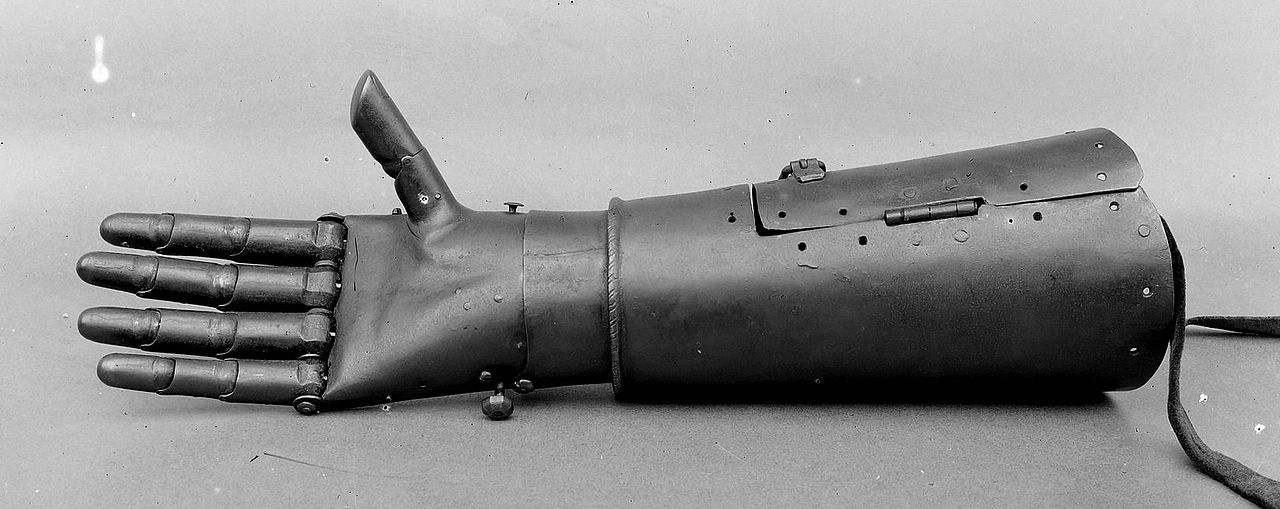
Prosthetic practice has ancient roots with simple wooden or metal replacements used for both function and appearance. Over centuries, innovations in joint mechanisms, materials, and fitting techniques improved comfort and mobility. The 20th and 21st centuries brought major advances in lightweight composites, microprocessor-controlled knees and ankles, and electrically controlled hands. Research into direct skeletal attachment (osseointegration) and sensory feedback seeks to further narrow the gap between biological and artificial limbs.
Uses, rehabilitation, and impact
Beyond restoring basic mobility and independence, prostheses support participation in work, sport, and social activities. Rehabilitation is multidisciplinary: clinicians assess fit and function, train gait or prosthetic use, and address skin care and stump health. Pediatric fitting, adaptive sports, and community reintegration are important aspects of prosthetic care. Cost, access to specialized services, and long-term maintenance influence outcomes worldwide.
Current challenges and future directions
Despite major progress, challenges remain. Achieving intuitive control, restoring sensation, preventing skin breakdown, and creating durable, affordable solutions are active research areas. Emerging technologies include improved myoelectric interfaces, pattern-recognition control, osseointegration alternatives, and additive manufacturing (3D printing) for custom, low-cost components. As the field advances, collaboration among engineers, clinicians, and users continues to shape prostheses that are more functional, comfortable, and accessible.
For more background or clinical guidance, see resources on mobility and rehabilitation such as mobility support and community prosthetic services; historical references can be found under topics like traditional wooden legs and congenital conditions linked from congenital limb differences.
Further reading and links: Definition and basics, Amputee care, Congenital conditions, Historical examples, Mobility aids and rehabilitation.
Related articles
Author
AlegsaOnline.com Prosthesis Leandro Alegsa
URL: https://en.alegsaonline.com/art/79494
Sources
- books.google.com : Prosthetics and Orthotics: Lower Limb and Spinal