
2012 Summer Paralympics
The fourteenth Paralympic Games, held in London, featured more than 4,200 athletes from 164 nations across a wide programme of disability sport and left a lasting legacy for accessibility and public interest.
Overview
The 2012 Summer Paralympic Games were the fourteenth edition of the Summer Paralympics and were staged in London, England, in the United Kingdom. They followed the 2012 Summer Olympics and brought together one of the largest gatherings of elite athletes with impairment in the world. Approximately 4,237 competitors from 164 countries took part, representing a wide range of physical and intellectual disabilities. Public interest and ticket demand reached unprecedented levels, breaking multiple sales records and bringing Paralympic sport to a far larger audience than in previous Games.
Image gallery
1 Image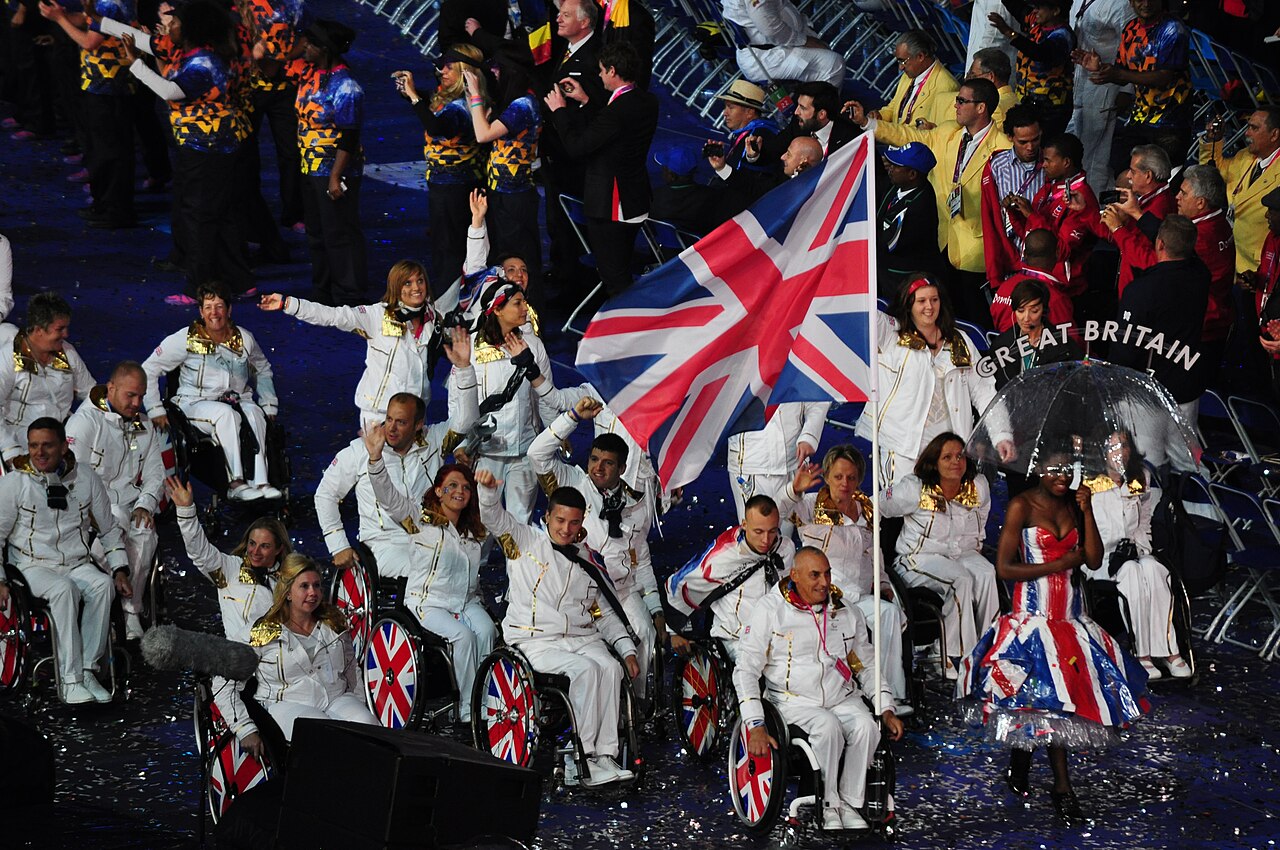
Classification and events
Competitors at the Games were classified into groups that reflect the type and extent of their impairments. These categories included athletes with spinal cord injury, limb amputations, visual impairment (including blindness), cerebral palsy (cerebral palsy), intellectual disability, and the mixed category often termed "Les Autres" (other physical disabilities). Classification is intended to create fair and meaningful competition by grouping athletes with comparable activity limitations.
- Major sports on the programme included athletics and swimming, which feature many medal events and classifications.
- Team sports such as wheelchair basketball, wheelchair rugby and sitting volleyball drew large spectator and media interest.
- Other disciplines ranged from wheelchair fencing and boccia to cycling on track and road, rowing, and goalball.
Venues and organisation
The sporting programme used a mix of purpose-built and existing venues across the host city. Key locations included the main stadium in the Olympic Park, the Aquatics Centre, and several arena and exhibition venues adapted for accessibility. The organising structure built on experience from the Olympic phase and emphasised inclusive design, with transport upgrades and venue access improvements intended to remain in place after the Games.
Impact, broadcasting and legacy
The 2012 Paralympics are widely credited with raising the profile of disability sport in Britain and internationally. Broadcasters expanded live coverage, bringing Paralympic competition to millions of viewers and contributing to a shift in public perceptions about athleticism and disability. In the host city and beyond, the Games accelerated conversations and projects around accessibility, inclusive sport provision, and the use of sporting facilities by local communities.
Notable facts and distinctions
The London Paralympics were distinctive for their scale and public resonance. Ticket sales set new benchmarks for Paralympic attendance, and the event followed the same city-wide staging as the Olympic Games earlier that year, reinforcing the connection between the two multi-sport events; see the related Olympic programme 2012 Summer Olympics. The Paralympic mascot and cultural elements helped broaden engagement with younger audiences, and organisers emphasised the long-term social legacies of greater accessibility and participation.
For further background on the host city and contemporary accounts of the Games, the organising committee and national Paralympic bodies produced official reports and summaries that document organisation, results and legacy planning.
Related articles
Author
AlegsaOnline.com 2012 Summer Paralympics Leandro Alegsa
URL: https://en.alegsaonline.com/art/112498
Sources
- 2012 Summer Paralympics
- paralympic.org : "Summer Paralympic Games"
- paralympic.org : "SUMMER PARALYMPIC GAMES OVERVIEW"
- bbc.co.uk : "Research raises questions over Paralympic Games legacy"