
Boiler: Devices for heating water and generating steam
A boiler is a pressure vessel that heats water or other fluids to produce hot water or steam for heating, power, industrial processes, cooking and sanitation.
Overview
A boiler is an engineered device that heats water or other fluids until they reach temperatures at or near boiling or remain below boiling for hot-water systems. The resulting vaporized fluid or heated liquid is distributed to deliver heat, drive machinery or support a wide range of process needs. Boilers appear in sizes from compact domestic units to massive industrial installations and are designed to operate under controlled pressure and temperature.
Image gallery
8 Images


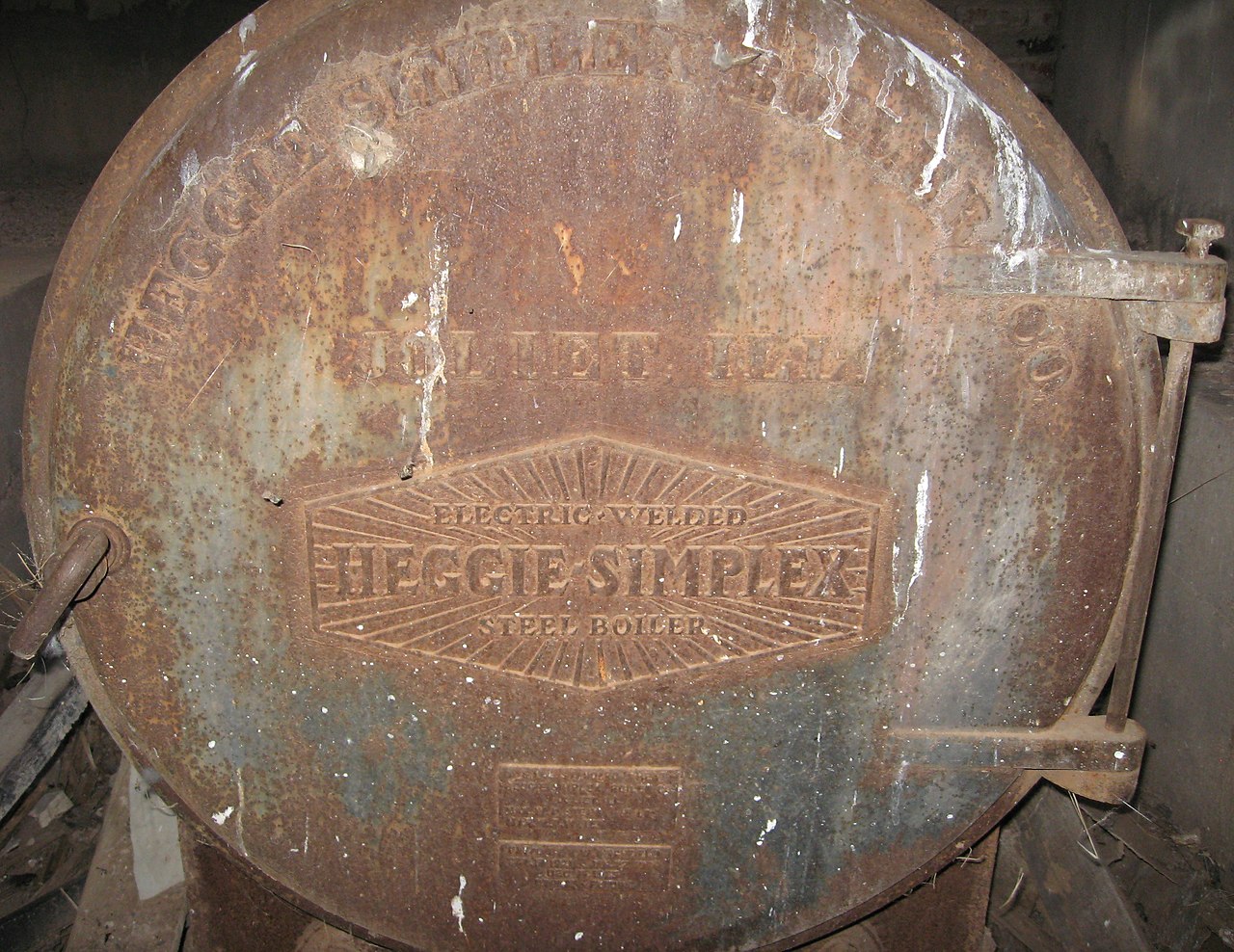


Types and configurations
Boilers are commonly classified by the medium they produce and by their internal arrangement. The two principal functional categories are:
- Hot-water boilers: supply heated water for space heating, hot taps, and some process uses. See hot water systems for domestic and commercial buildings.
- Steam boilers: generate steam for heating, mechanical work such as driving turbines, and various industrial applications.
Engineering layouts include fire-tube and water-tube designs, each with trade-offs in capacity, pressure rating and response time. Residential boilers are compact and often packaged with controls, while industrial boilers are modular, fuel-flexible and built for high output.
Main components
- Combustion system or heat source (burner, fuel supply or electric element).
- Pressure vessel and heat exchanger surfaces that transfer thermal energy to the fluid.
- Controls and safety devices such as thermostats, pressure gauges and relief valves.
- Auxiliaries: feedwater equipment, condensate return, blowdown drains and flues/exhaust systems.
History and development
Boilers progressed alongside steam engines and industrialization. Early boilers were simple kettles and flues; over time engineers introduced stronger materials, improved combustion and safety features. During the 18th and 19th centuries the growth of factories, railways and steamships drove rapid improvements in boiler design, standardization and regulation.
Uses and examples
Common uses include residential and commercial heating, district heating networks, power generation via steam turbines, process heating in chemical and food industries, and applications such as cooking and sanitation. Marine boilers remain important aboard some vessels for propulsion or hotel services. Choice of boiler depends on required temperature, pressure, fuel availability and space.
Operation, safety and maintenance
Safe boiler operation relies on routine maintenance—water treatment to control scaling, periodic inspection of pressure parts, testing of safety valves and correct combustion tuning. Efficiency improvements include condensate recovery, economizers and modern control systems. Environmental considerations focus on fuel choice and combustion emissions; many installations now use cleaner fuels or hybrid systems to reduce impact.
Related articles
Author
AlegsaOnline.com Boiler: Devices for heating water and generating steam Leandro Alegsa
URL: https://en.alegsaonline.com/art/12716