
Brake: devices, types, history and maintenance
A brake is a device that slows or stops moving parts by converting kinetic energy into heat or by recovering energy. Covers types, components, history, common uses, safety and maintenance.
A brake is any mechanism applied to a moving machine part to reduce its speed or hold it stationary. Most commonly encountered on rotating wheels, brakes convert kinetic energy into heat through friction or redirect that energy into storage or other systems via regenerative methods. Modern braking systems range from simple mechanical blocks to complex electro‑hydraulic assemblies and energy recovery systems used in hybrid and electric vehicles.
Image gallery
6 Images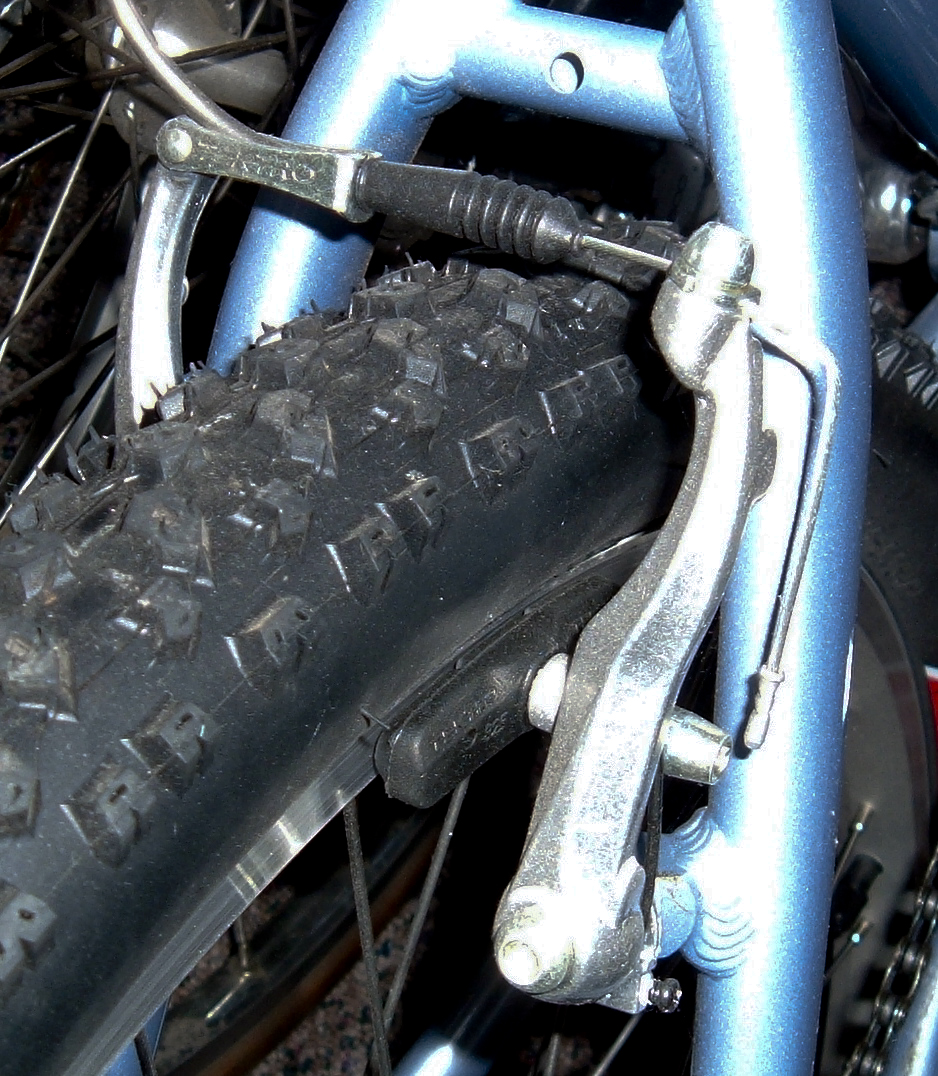



Types of brakes
- Friction brakes: The most widespread form, including disc brakes (pads clamping a rotor) and drum brakes (shoes pressing inside a drum). Found on cars, motorcycles and many bicycles.
- Mechanical band and block brakes: Early designs that press a block or band against a rotating surface; still used in some industrial machinery and older bicycles.
- Regenerative braking: Converts kinetic energy into electrical energy or stores it in a flywheel or capacitor. Common in hybrid/electric vehicles and some trains.
- Pneumatic (air) and vacuum brakes: Use compressed air or vacuum to actuate large brake assemblies, typical on heavy trucks and rail vehicles.
- Electromagnetic and eddy‑current brakes: Use magnetic forces to produce resistance without physical contact; used in industrial drives and some rail applications.
- Specialized aircraft brakes and speed brakes: Designed for high thermal loads and to help control descent and landing.
Components and how they work
Common parts of a friction braking system include pads or shoes, a rotor or drum, calipers or actuators, a master cylinder, and connecting linkages or fluid lines. In hydraulic systems a driver’s input increases pressure in brake fluid, pushing pistons that press pads against a rotor. When friction acts on the rotating element, mechanical energy is dissipated as heat; adequate heat dissipation is therefore central to reliable performance. Anti‑lock braking systems (ABS) and electronic stability control (ESC) modulate pressure to prevent wheel lockup and maintain steering control.
History and development
Brakes trace back to simple wooden blocks pressed against wheels on horse‑drawn vehicles. As speeds and loads increased, particularly with the advent of the modern bicycles, steam and later electric trains, and internal combustion automobiles, braking technology evolved to meet new demands. Innovations included improved materials for linings, hydraulic actuation for passenger cars, air brakes for heavy vehicles, and, more recently, regenerative systems that reclaim energy otherwise lost as heat.
Uses, safety and maintenance
Brakes are critical for safety, controlling stopping distance, vehicle stability and parking. Common safety considerations include brake fade—loss of effectiveness from overheating—contamination of friction surfaces by oil or water, and degradation of hydraulic fluid. Regular inspection of pads, rotors, fluid condition, and linkage is essential. Many jurisdictions also regulate emissions of brake dust and mandate performance testing for commercial vehicles.
Distinctions and notable facts
When discussing brakes it helps to distinguish between service brakes (used during normal operation), parking brakes (hold a vehicle stationary) and emergency brakes (provide backup stopping power). Another important distinction is between energy‑dissipating systems (friction) and energy‑recapturing systems (regenerative). Advances in materials science and electronic control continue to improve braking effectiveness while reducing wear and environmental impact.
For practical information on selecting, servicing or testing a brake system consult manufacturer guidance or professional maintenance resources. Further technical and regulatory details are available through standards organizations and vehicle safety authorities.
Related articles
Author
AlegsaOnline.com Brake: devices, types, history and maintenance Leandro Alegsa
URL: https://en.alegsaonline.com/art/13676
Sources
- simple.wiktionary.org : brake