
Bolted joint: components, function, and practical considerations
A bolted joint is a mechanical fastener system using bolts, nuts, and often washers to clamp parts together. This article explains parts, types, load behavior, installation practice, failure modes, and common uses.
Overview
A bolted joint joins two or more components by clamping them between a bolt (or stud) and a nut. Clamping force created by tightening keeps parts together and transmits loads through friction and bearing rather than by the threads alone. Bolted joints are common in construction and machine assemblies because they are detachable, inspectable, and serviceable.
Image gallery
3 Images

Components and common types
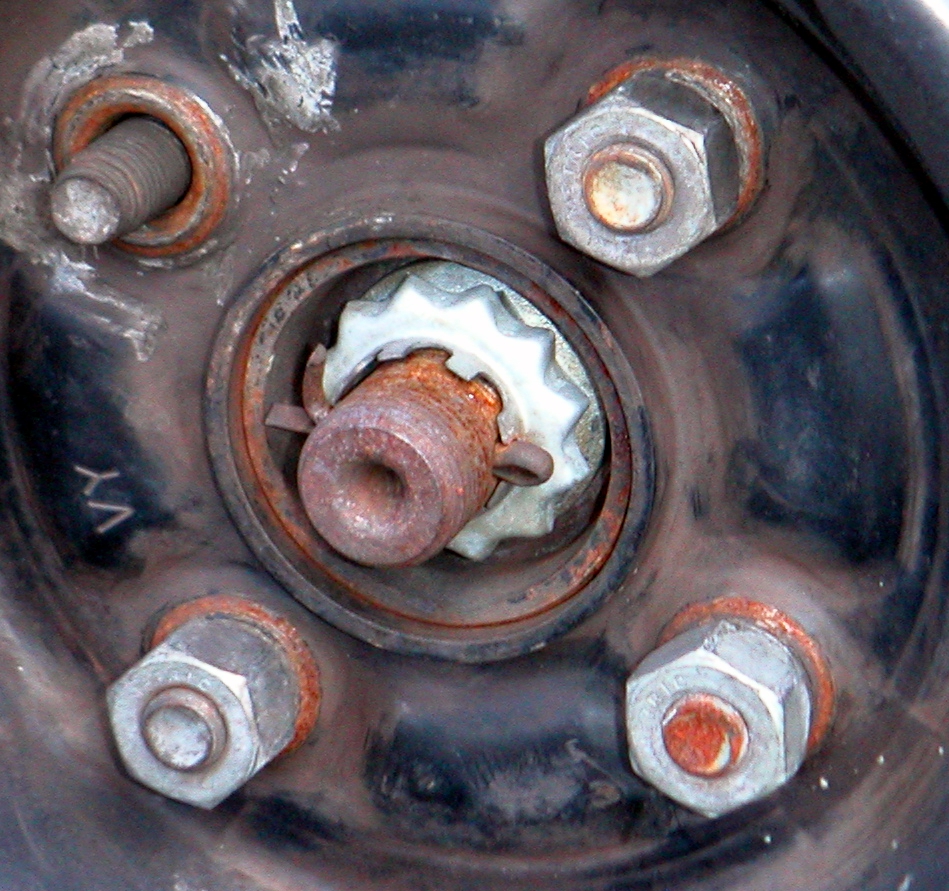
The main elements are the bolt (head and shank), the nut, and often one or more washers. Threads convert torque into axial preload. Variants include cap screws, carriage bolts, machine screws, studs and anchor bolts. Special heads and coatings adapt joints for access, load direction, or corrosion resistance.
Key mechanics
Effective joints rely on preload: axial tension in the fastener that clamps parts together. Under service loads, the clamp force keeps the joint from separating so the parts share load by friction. If external loads exceed clamp force, the bolt can take tension. Torque applied at the head produces preload, but friction under the head and in the threads makes the torque–tension relationship variable.
Installation and good practices
- Clean mating surfaces and threads; select the correct grade and length.
- Use appropriate washers or load-distributing elements to prevent embedment.
- Apply specified tightening method (torque, turn‑of‑nut, or tensioner) and follow staged, cross-pattern tightening for multi‑bolt joints.
- Record and inspect critical joints; retorque only when specified.
Failure modes and prevention
Bolted joints can fail by fatigue, loosening under vibration, corrosion, or by exceeding material strength. Preventive measures include proper preload, lock nuts or adhesives, star washers or safety wire, surface treatments, and periodic inspection. Thread condition and lubrication strongly influence performance.
Applications and notable facts
Bolted joints appear across industries from structural steelwork to machinery, pipelines and vehicles. Material choices range from carbon steels to stainless steel and specialty alloys. Standards govern dimensions, strength classes and testing; detailed guidance on thread form and selection is widely available for designers and technicians via technical references and industry standards on screw threads.
Related articles
Author
AlegsaOnline.com Bolted joint: components, function, and practical considerations Leandro Alegsa
URL: https://en.alegsaonline.com/art/12810