
Boeing 757 narrow-body airliner
A twin‑engine, narrow‑body commercial jet introduced in 1983, the Boeing 757 served short‑to‑medium and transatlantic routes. Production ran from the early 1980s to 2004 with 1,050 built and varied civil and cargo roles.
Overview
The Boeing 757 is a twin‑engine, narrow‑body jet airliner designed for short to medium range routes and higher‑capacity single‑aisle operations. It was developed as a modern replacement for older trijet types and became known for strong performance on both short domestic hops and overwater transatlantic services. For a general introduction see Boeing 757 overview.
Image gallery
10 Images






Design and variants
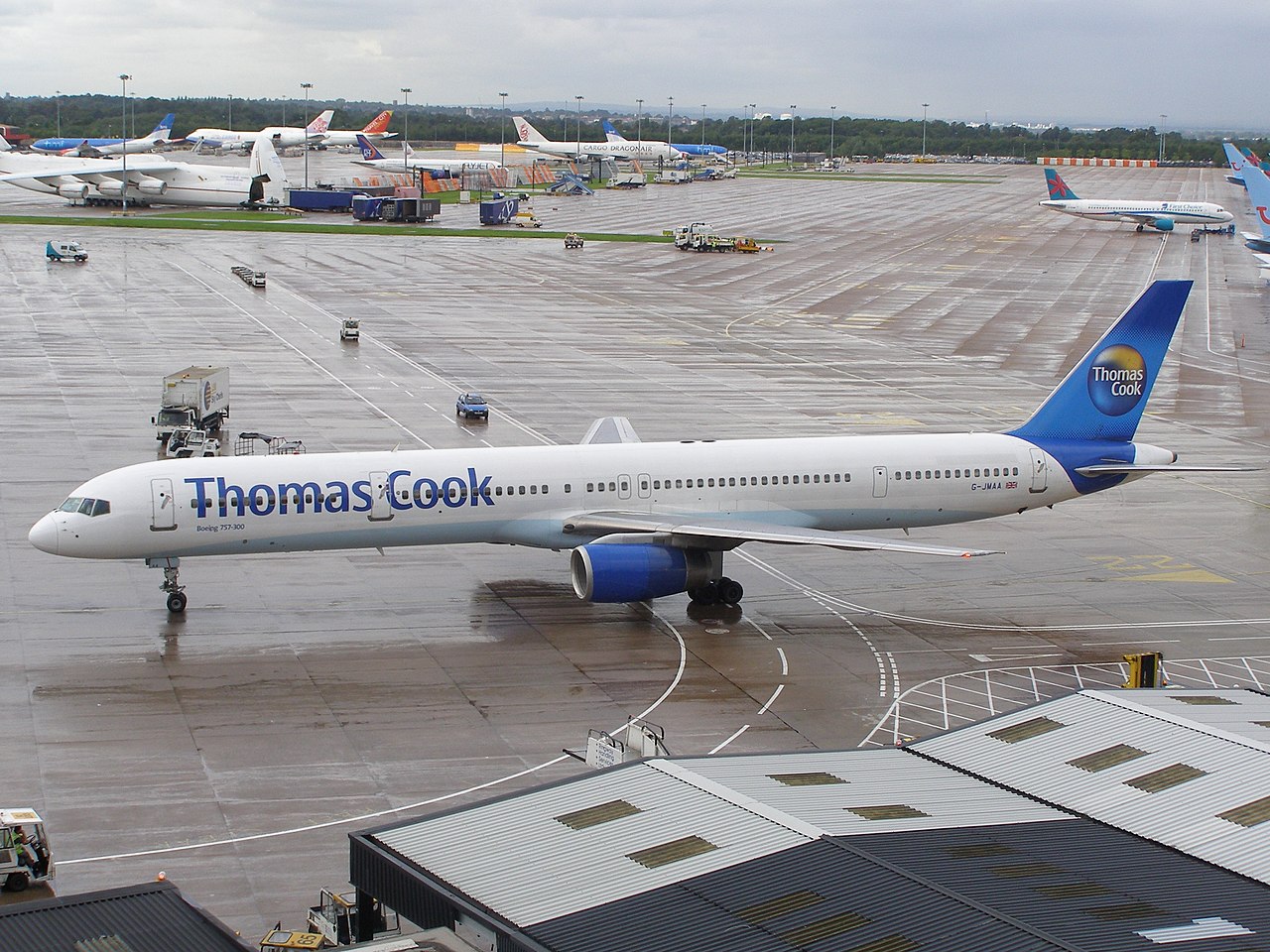
The 757 family includes the common 757‑200 and the stretched 757‑300 variants. The airframe emphasizes a relatively slim fuselage with efficient wings and powerful turbofan engines, giving the type good climb performance and payload‑range capability. Its cockpit shared systems and training commonality with the larger Boeing 767, easing crew transitions between types.
History and development
Launch customers included carriers such as Eastern Air Lines and British Airways, which ordered the type to replace older 727s and modernize fleets. The 757 entered airline service in 1983. Production concluded in October 2004 after a manufacturing run of 1,050 aircraft; the final example was delivered in 2005. It replaced earlier trijet designs like the Boeing 727 in many operators' networks.
Operational use and roles
Airlines employed the 757 across a wide range of missions: dense short‑haul routes, transcontinental services, and thinner long‑range sectors where its performance and capacity made it economical. Over time many passenger 757s were converted to freighters or used by charter and cargo operators, extending the airframe's service life beyond typical narrow‑body patterns.
Notable characteristics and legacy
- Strong short‑field and hot‑climb capability compared with other single‑aisle jets.
- Flexible range that allowed North Atlantic crossings on narrow‑body equipment.
- No direct one‑for‑one successor from Boeing; later airline needs were met by stretched 737 variants and the A321neo family.
Today the 757 is remembered for its versatility and robustness. While many examples have been retired or repurposed, the type retains a presence in cargo fleets and on specialty passenger routes, admired for a combination of performance, payload, and range that kept it in service long after production ended.
Tags
Related articles
Author
AlegsaOnline.com Boeing 757 narrow-body airliner Leandro Alegsa
URL: https://en.alegsaonline.com/art/12645
Sources
- boeing.com : "Boeing Marks Completion of its 757 Commercial Airplane Program"
- 757.org.uk : Boeing 757 Reference Site
- commons.wikimedia.org : Boeing 757