
Airbus A300
A twin‑engine, twin‑aisle wide‑body airliner introduced by Airbus in the early 1970s; significant as the first twin‑engined wide‑body and widely used in passenger and freighter roles.
Overview
The Airbus A300 is a twin‑engined, twin‑aisle wide‑body aircraft developed and built by the European consortium Airbus. Launched in the early 1970s, the A300 was the first twin‑engine airliner to offer a full wide‑body cabin, marking a change in how airlines approached medium‑ to long‑haul services. The model family is commonly referred to simply as the A300 and proved adaptable to both passenger and cargo configurations.
Image gallery
10 Images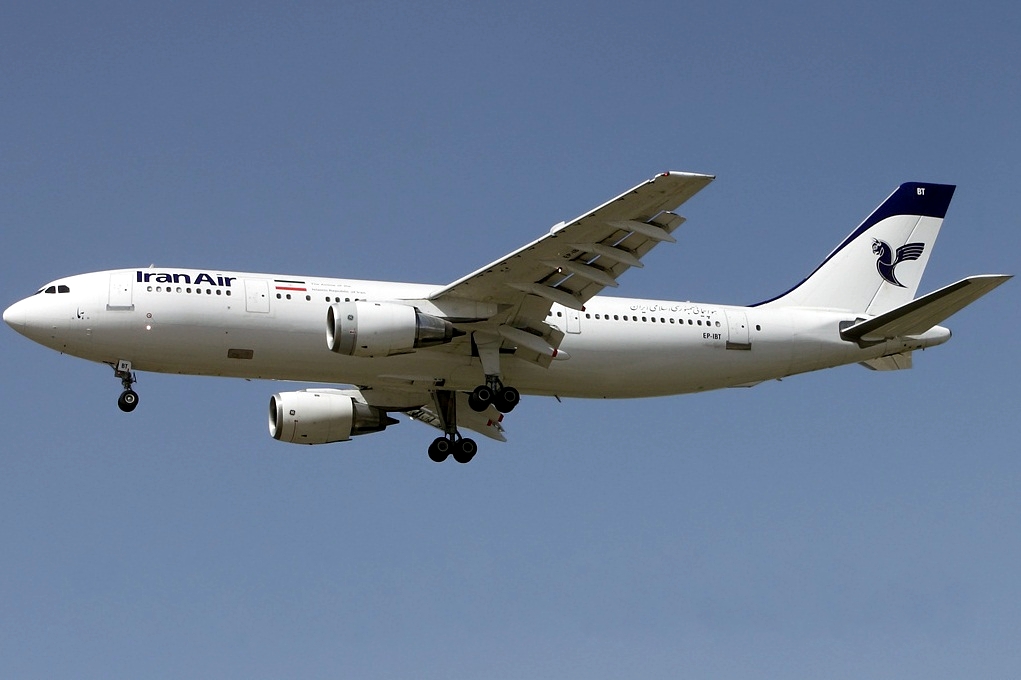
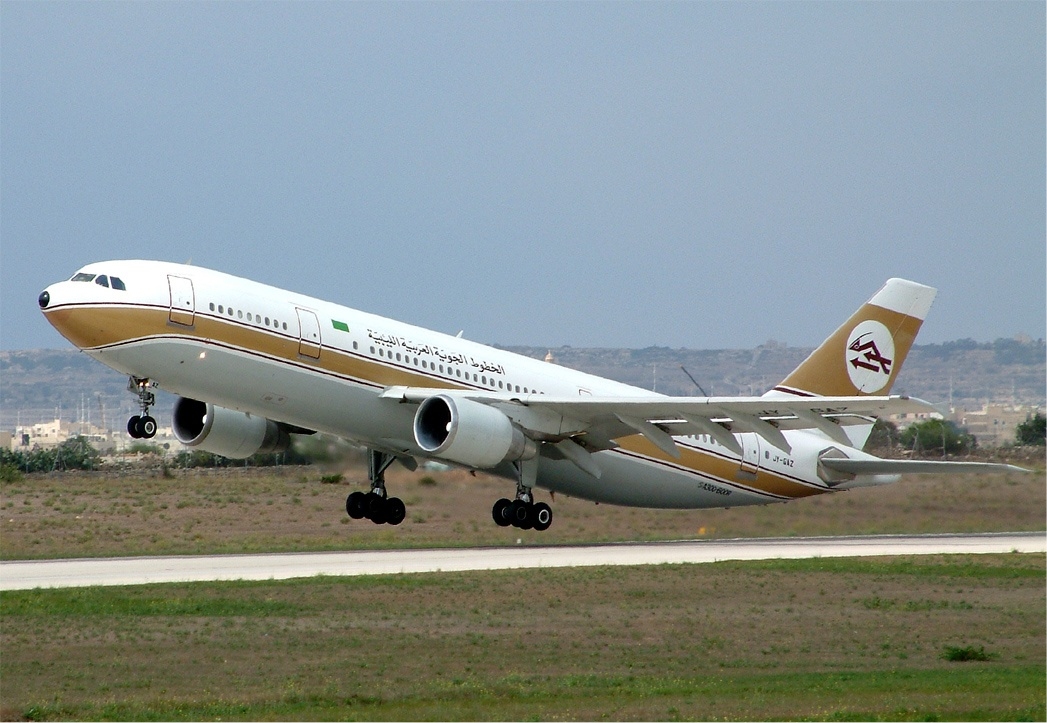


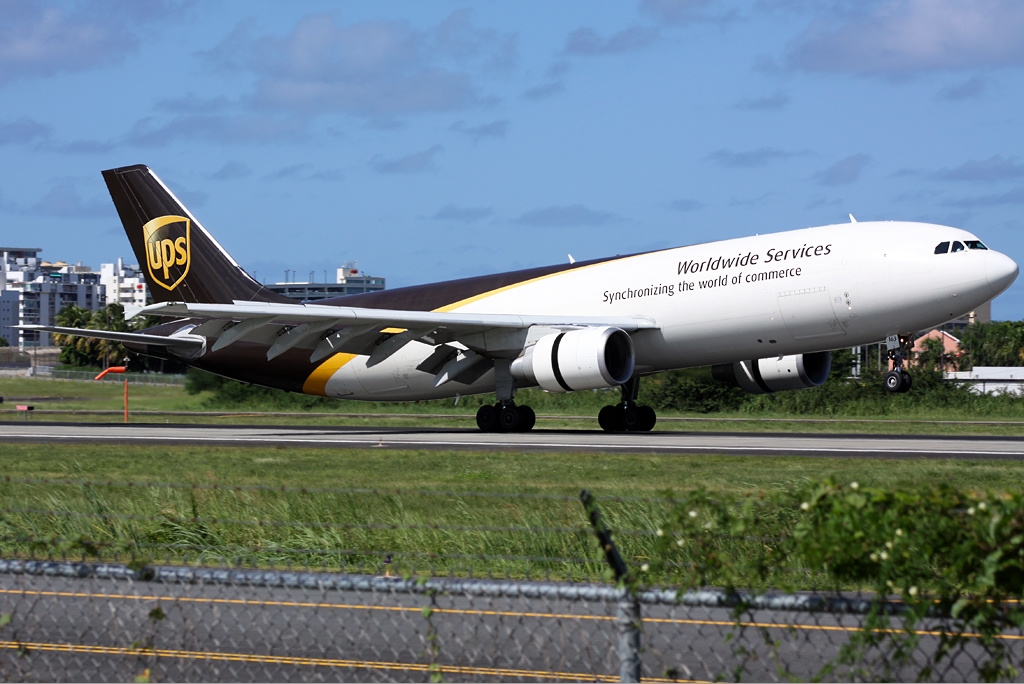

Design and characteristics
When it entered service the A300 combined two‑engine efficiency with the comfort and capacity of a wide fuselage. Typical arrangements accommodated multiple seating classes, and airline layouts varied by mission and market. The type emphasized operational economy, with design features that allowed for extended ranges on later versions; published ranges differ by subvariant and configuration, but the A300 was suitable for medium‑ and longer‑range routes when properly equipped (range details vary by model).
Variants and development
Airbus produced several main variants that evolved the basic airframe. Early production models carried the initial design improvements that addressed airline feedback. Subsequent versions included stretched or upgraded models with more powerful engines, increased fuel capacity and avionics refinements. The A300 family developed alongside the smaller A310; both lines shared technology and contributed to Airbus’s later common‑type design philosophy (related A310 developments).
- Early production and improved passenger models
- Later stretched and long‑range derivatives
- Dedicated freighter and converted cargo versions
Operational history and legacy
Airlines first introduced the A300 in the mid‑1970s; one of the earliest operators to place the type into service was Air France. Production continued for several decades as the airframe found roles with passenger carriers, cargo operators and some governmental users. Airbus ended A300 production in the 2000s, and the line was gradually superseded by more modern twinjets. Many A300s, however, proved particularly successful as freighters, with dedicated conversions and purpose‑built cargo variants remaining active long after passenger service dwindled; these freighter roles have been succeeded in some fleets by newer types such as the A330‑200F and others (freighter replacements).
Notable facts and continuing influence
The A300 is historically important as the world’s first twin‑engine wide‑body airliner, demonstrating that a two‑engine platform could efficiently serve trunk routes formerly limited to larger multi‑engine jets. Its development helped establish Airbus as a major aircraft manufacturer and influenced later designs through common systems concepts and an emphasis on airline operational economics. Although production has ended, the A300’s operational and design legacy persists in freight service and in the design lessons carried forward to subsequent Airbus families.
Questions and answers
Q: What type of aircraft is the Airbus A300?
A: The Airbus A300 is a jet airliner.
Q: When was the plane launched by Airbus Industries?
A: The plane was launched by Airbus Industries in 1972.
Q: How many passengers can the A300 hold?
A: The A300 can hold 266 passengers in two classes.
Q: What is the maximum range of an A300 when it is full?
A: The maximum range of an A300 when it is full is 4,070 nautical miles (7,540 km).
Q: Who was the first airline to get an A300?
A: Air France was the first airline to get an A30.
Q: When did Air France begin using its A300s?
A: Air France began using its A300s on 30 May 1974.
Q: When did Airbus stop making A310s and why?
A: Airbus stopped making both the A310s and the A300s in July 2007.
Tags
Related articles
Author
AlegsaOnline.com Airbus A300 Leandro Alegsa
URL: https://en.alegsaonline.com/art/1665
Sources
- airbus.com : "Airbus - Historical Orders and Deliveries"
- planespotters.net : "Airbus A300 Production List"
- flightglobal.com : "Airbus aims to fill freighter void with A330 derivative"
- flightglobal.com : "Aero Engines 1968: "Flight" special review"
- airbus.com : Champagne... and drought
- airbus.com : "A300/A310 Final Assembly to be completed by July 2007"
- airbus.com : "The last A300 makes its maiden flight"
- honeywell.com : "Honeywell 331-250 APU"
- aviation-safety.net : "Airbus A300"
- rgl.faa.gov : "A300 TYPE CERTIFICATE DATA SHEET No. A35EU"
- airliners.net : Aircraft Technical Data & Specifications
- civilaviation.eu : Civil Aviation: Airliners