
Boeing 737: history, design, variants and operational significance
A comprehensive overview of the Boeing 737 narrow‑body airliner family: design features, major variants (Classic, Next Generation, MAX), operational history, uses, and notable facts.
Overview
The Boeing 737 is a twin‑engine, narrow‑body airliner developed by Boeing as a smaller, lower‑cost complement to its earlier jetliners. Since the type first flew in 1967 and entered airline service in 1968, the 737 has evolved into a broad family of aircraft with seating capacities that typically range from about 85 to more than 200 passengers, depending on configuration. Over many decades the 737 has become one of the most produced and widely used jet airliners in commercial aviation, serving short‑ and medium‑haul routes worldwide.
Image gallery
10 Images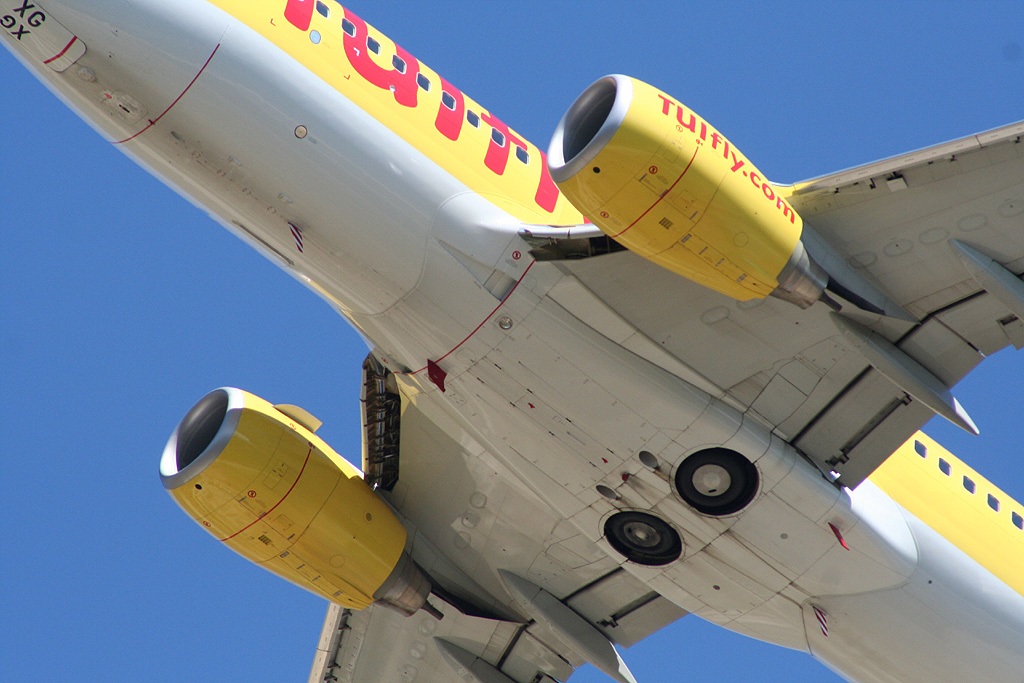


Design and principal characteristics
The 737 is a low‑wing, twin‑jet design with a single‑aisle fuselage and a conventional tail. Early versions were developed to replace or complement smaller piston and turboprop aircraft and to provide a simpler, shorter‑range option compared with models such as the 707 and 727. Over time the airframe received incremental changes: lengthened fuselages, strengthened wings, modernized flight decks, and upgraded passenger cabins. Engines for later generations were substantially different from the originals; for example, the Classic series introduced high‑bypass CFM56 turbofan engines that improved fuel efficiency and reduced noise.
Major series and variants
Boeing organized the 737 family into recognizable generations. Each generation grouped several related variants that shared core design features but differed in length, range, and systems.
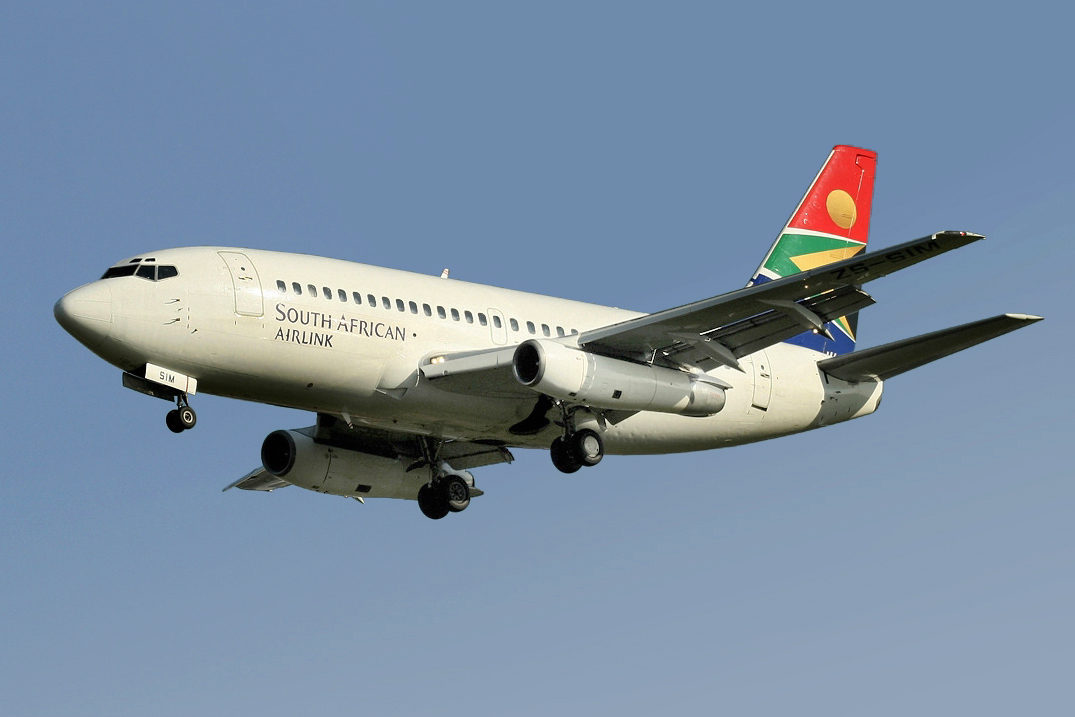
- Original (100/200): The earliest short fuselage and stretched models used in the late 1960s.
- Classic (-300/-400/-500): Launched in the 1980s with new CFM56 engines and aerodynamic refinements.
- Next Generation (NG: -600/-700/-800/-900ER): Introduced in the 1990s with redesigned wings, updated cockpits and cabins; these variants became especially popular with airlines for efficiency on short and medium routes.
- 737 MAX: A more recent family that incorporated larger, more efficient engines and aerodynamic improvements; the MAX entered service in 2017 but experienced a global grounding after two fatal accidents and was later returned to service following regulatory reviews and design changes.
History and development
Design work on the 737 began in the mid‑1960s as Boeing sought a smaller complement to its four‑engine jets. The type’s first flight occurred in 1967 and initial airline operations began in 1968. Rather than a single aircraft, the 737 developed into a family that Boeing continually modernized to keep pace with advances in propulsion, materials, avionics and passenger expectations. Production and assembly have long been associated with the Renton, Washington plant, where many 737s were built and delivered to carriers around the world (Renton Factory).
Operational use and importance
The 737 has been a workhorse of global short‑ and medium‑haul networks, used by major flag carriers, low‑cost airlines and regional operators alike. Its size and flexibility make it suitable for high‑frequency trunk routes as well as thinner city pairs. The 737’s principal competitor has traditionally been the Airbus A320 family (Airbus A320 family), and both product lines dominate single‑aisle traffic. Airlines have valued the 737 for its commonality among variants, supporting fleet planning and pilot training economies of scale.
Notable facts, safety and legacy
The 737 is widely recognized as one of the best‑selling commercial jetliners. Throughout its life it has undergone continuous modification rather than wholesale redesign, creating a long production run and broad fleet presence. Safety record, upgrades and certification processes have periodically become central topics in the public and regulatory eye — most notably with the introduction of the 737 MAX family, whose grounding and subsequent return to service prompted extensive scrutiny, software changes and revised pilot procedures. The type’s ubiquity means that, at any given moment, many hundreds or more 737s are airborne worldwide and the airplane remains integral to global air transport.
Further reading and resources
For technical histories, variant comparisons and manufacturer information, consult primary sources from the airframer and authoritative aviation references. Related topics and context can be explored via links and resources covering the original jet programs (707, 727), engine manufacturers and system suppliers (Classic series, Next Generation), airline customers (early operators), the MAX program (737 MAX), production sites (Renton), competitors (A320 family) and statistics about global operations (air traffic averages).
Readers seeking manufacturer statements, regulatory reports or operator advisories should consult primary documents and official channels identified through the anchors above.
Questions and answers
Q: What type of airliner is the Boeing 737?
A: The Boeing 737 is a twin narrow-body airliner built by Boeing.
Q: How many different models does the 737 family have?
A: The 737 family has many different models, ranging from 85 to 215 passengers.
Q: When did Boeing begin designing the 737?
A: Boeing began designing the 737 in 1964.
Q: When was the first version of the 737 used by an airline?
A: The very first version of the 737, the -100 model, was first used by an airline in February 1968.
Q: What are some improvements made to later versions of the aircraft?
A: Later versions of the aircraft had redesigned wings, a better cockpit and a new cabin. They also had larger engines (CFM56 turbofans).
Q: What is its main rival in terms of jet airliners?
A: The main rival for the Boeing 737 is Airbus A320 family.
Q: How many orders for this aircraft have not been delivered yet as of August 2012?
A: As of August 2012, there were 2,759 orders that had not been delivered yet.
Tags
Related articles
Author
AlegsaOnline.com Boeing 737: history, design, variants and operational significance Leandro Alegsa
URL: https://en.alegsaonline.com/art/12643
Sources
- active.boeing.com : "737 Model Orders and Deliveries data."
- archive.aviationweek.com : "737 price raised"
- flightglobal.com : "Airliner price index"
- flightglobal.com : "6,000 and counting for Boeing’s popular little twinjet."
- airliners.net : "The Boeing 737-100/200."
- flightlevel350.com : "Airbus A320 Aircraft Facts, Dates and History."
- flightglobal.com : "The 737 Story: Little Wonder."
- seattlepi.com : "Boeing delivers its 5,000th 737."
- forecastinternational.com : "Successor to Boeing 737 likely to be built in state."
- boeing.com : "Original 737 Comes Home to Celebrate 30th Anniversary."
- rgl.faa.gov : "Type Certificate Data Sheet A16WE."
- b737.org.uk : "Powerplant - Reverse Thrust."
- boeing.com : "737 Family."
- b737.org.uk : "History & Development of the Boeing 737 - Classics."
- airbus.com : "Airbus A320 Family passes the 5,000th order mark."