
Boeing 787 Dreamliner
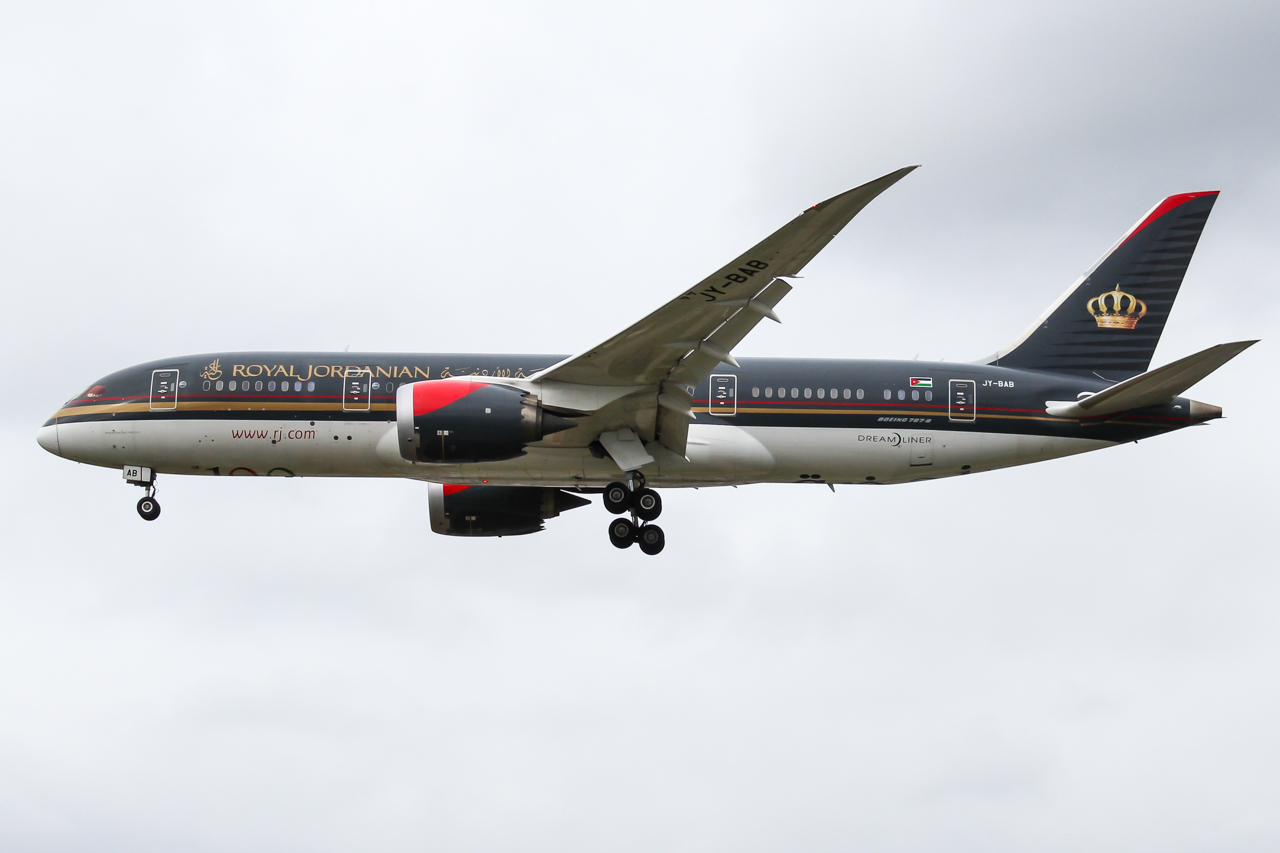
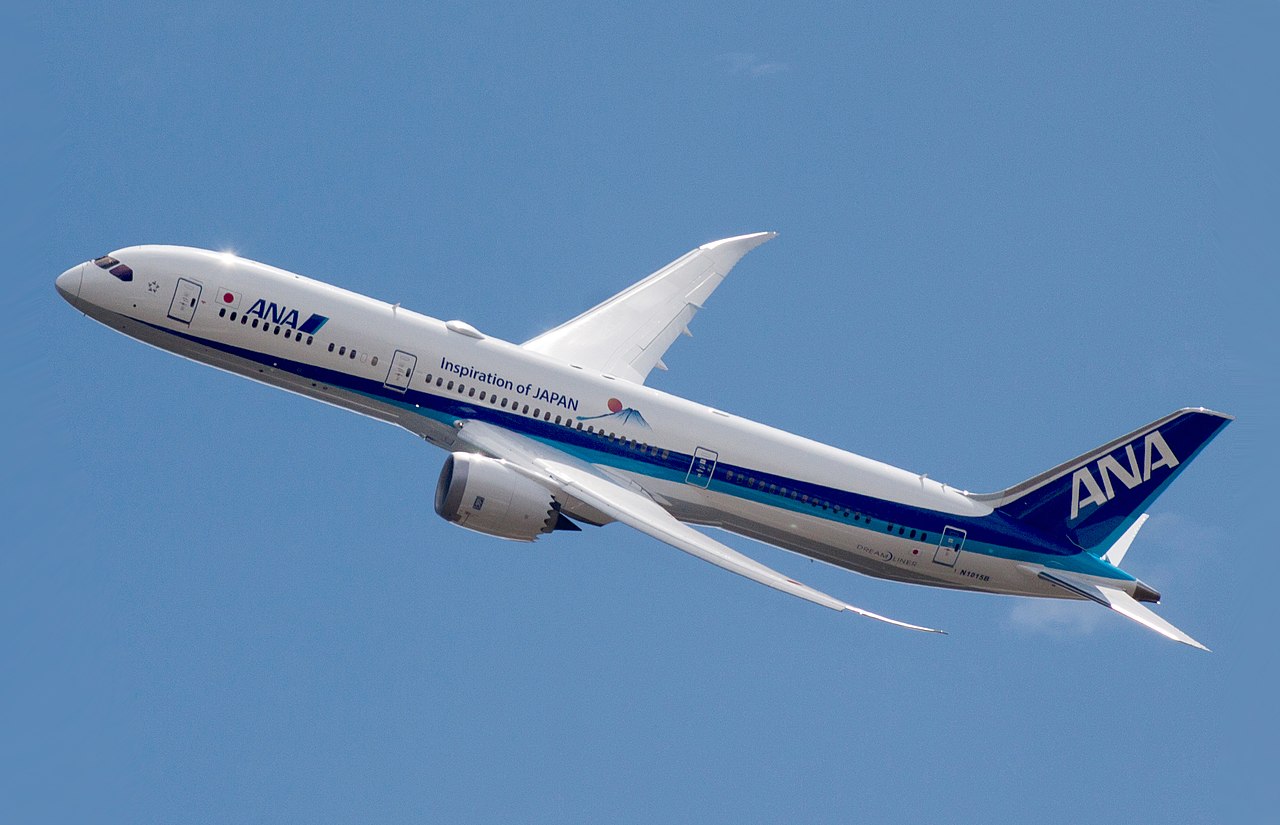
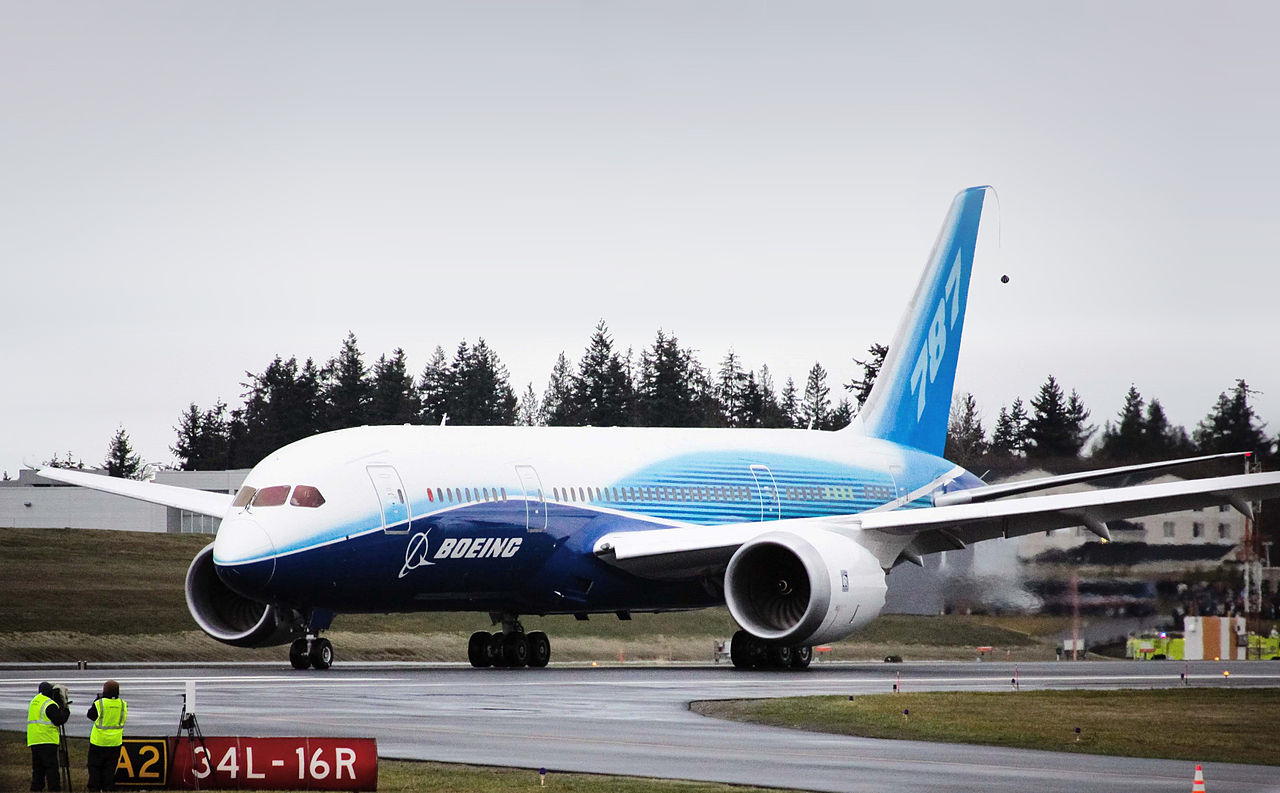
The Boeing 787 Dreamliner is a twin‑engine, long‑range widebody airliner known for extensive composite construction, improved fuel efficiency and passenger comfort. It entered service in 2011 after a complex development period.
Overview
The Boeing 787 Dreamliner is a twin‑aisle, twin‑engine commercial jet developed by Boeing Commercial Airplanes to serve long‑range routes with reduced operating costs and enhanced passenger comfort. Often called the 787, it introduced extensive use of composite materials in primary structures and a suite of design changes aimed at lowering fuel burn and maintenance. For manufacturer information see official Boeing materials and general program summaries at industry reports.
Image gallery
10 Images



Design and key features
The 787 was designed around several distinctive features that distinguish it from earlier widebodies:
- Composite structure: Major airframe elements use carbon fiber reinforced plastic to reduce weight and resist corrosion.
- Advanced engines: Operators select between modern high‑bypass turbofan engines such as the GEnx or the Rolls‑Royce Trent family, chosen for improved efficiency and lower emissions.
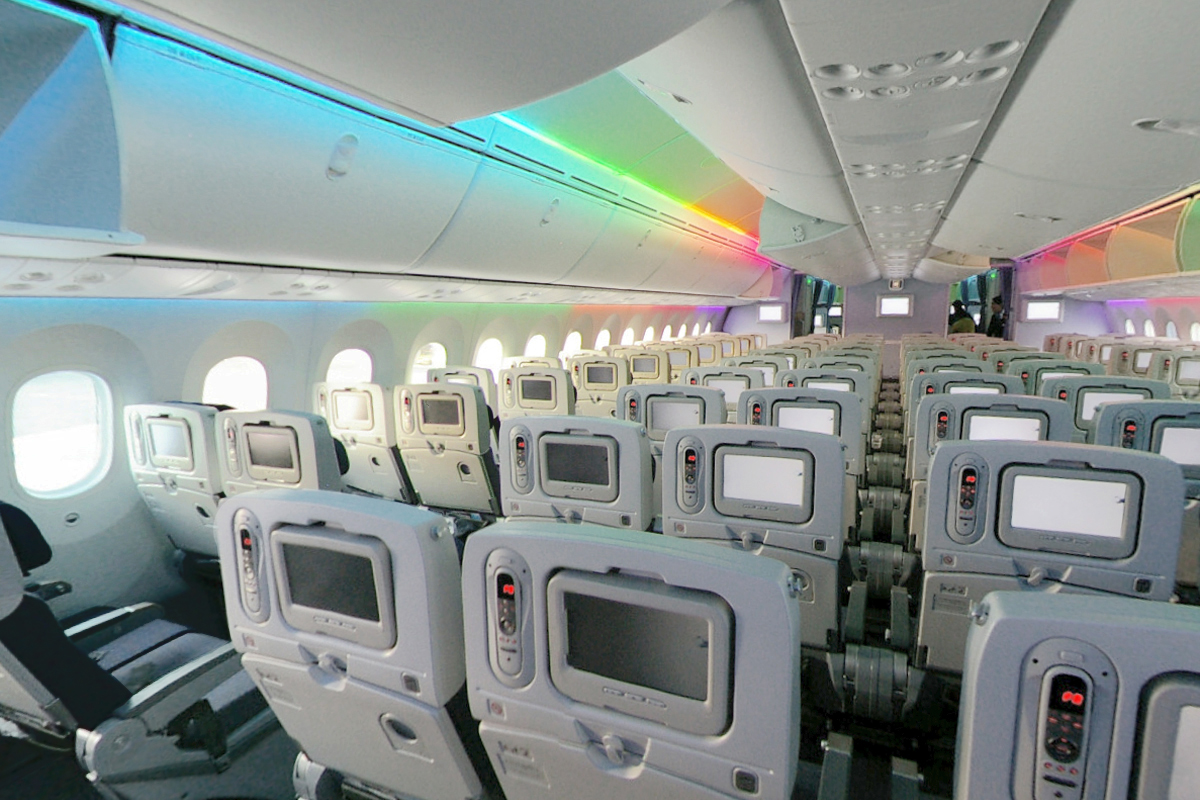
- Passenger comfort: The cabin emphasizes larger windows with electronic dimming, higher cabin humidity and a lower effective cabin altitude to reduce fatigue on long flights.
- Systems and avionics: Integrated electrical systems, fly‑by‑wire components, and updated avionics suites reflect contemporary commercial aircraft practice.
For technical briefs and performance summaries consult publicly available sources like first flight reports and certification documents at regulatory summaries.
Development and entry into service
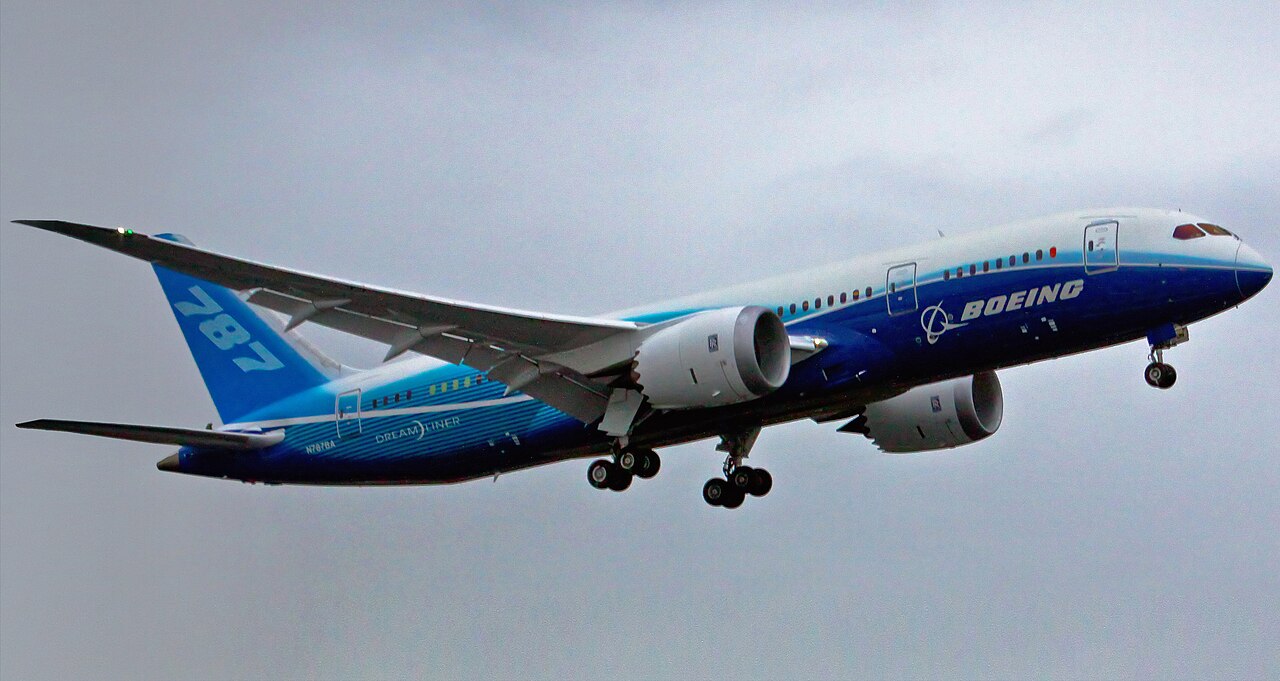
Boeing launched the 787 program in the early 2000s and completed the prototype's first flight on 15 December 2009. The program experienced multiple schedule shifts tied to a complex global supply chain, novel manufacturing approaches and extensive systems integration. The first commercial passenger service began in October 2011. These milestones are discussed in many aerospace histories and program retrospectives, for example detailed timelines and airline delivery records at operator briefings.
Variants and operators
- 787‑8: the initial baseline, designed for medium long‑haul missions.
- 787‑9: a stretched variant with greater capacity and range, widely adopted by carriers.
- 787‑10: the longest variant optimized for higher capacity on shorter long‑haul sectors.
Major global airlines operate the 787 on transcontinental and transoceanic routes; delivery schedules and fleet lists are maintained by industry trackers and airline announcements such as carrier press releases and fleet databases at industry data services.
Operational importance and impact
The 787 helped airlines open thinner long‑haul routes by offering improved fuel economy and lower seat‑mile costs than older widebodies. Its range and efficiency enabled more point‑to‑point services, changing network planning and offering passengers new nonstop connections that were previously uneconomical.
Notable challenges and safety review
Like many complex new aircraft, the 787 experienced technical and programmatic challenges during its early years. A high‑profile issue involving lithium‑ion batteries led regulators to review the design and, at one point, restrict operations pending corrective measures. The event prompted coordinated responses from manufacturers, certification authorities and airlines to implement modifications and updated operating procedures. Regulatory findings, directives and the corrective actions taken are documented in public safety bulletins and agency reports.
Distinguishing facts: The Dreamliner is notable for combining modern materials, engine technology and cabin amenities in a widebody platform aimed at reshaping long‑haul economics. Its development highlighted the benefits and complexities of globalized aircraft production and modern systems integration.
Questions and answers
Q: What is the Boeing 787 Dreamliner?
A: The Boeing 787 Dreamliner is a passenger aircraft made by Boeing.
Q: When did the first flight of the Boeing 787 Dreamliner take place?
A: The first flight of the Boeing 787 Dreamliner took place on 15 December 2009.
Q: When was the first passenger flight of the Boeing 787 Dreamliner?
A: The first passenger flight of the Boeing 787 Dreamliner was in October 2011.
Q: Why did some airlines get their Boeing 787 Dreamliner nearly 30 months late?
A: Some airlines got their Boeing 787 Dreamliner nearly 30 months late because of the delayed release of the airplane.
Q: Has the Boeing 787 Dreamliner had any problems?
A: Yes, the Boeing 787 Dreamliner has had some problems.
Q: Which agencies are reviewing the Boeing 787 Dreamliner?
A: The FAA and the Japanese aviation agency are reviewing the Boeing 787 Dreamliner.
Q: Are airlines currently allowed to fly the Boeing 787 Dreamliner in the US and other countries?
A: No, airlines are not currently allowed to fly the Boeing 787 Dreamliner in the US, Japan, India, and Chile according to their respective aviation agencies.
Tags
Related articles
Author
AlegsaOnline.com Boeing 787 Dreamliner Leandro Alegsa
URL: https://en.alegsaonline.com/art/12648
Sources
- boeing.com : "Boeing: About the 787 Family."
- boeing.com : "Boeing: Jet prices."
- reuters.com : "Boeing sees first 787 cancellation, lags Airbus"
- scmp.com : "Boeing 787 'Dreamliner' jets grounded in Japan, US"
- economictimes.indiatimes.com : "DGCA directs Air India to ground all six Boeing Dreamliners on safety concerns"
- boeing.com : "Commercial Airplanes – 787 Dreamliner – Background"
- boeing.com : "Boeing Gives the 7E7 Dreamliner a Model Designation"
- atwonline.com : "International Lease Finance Corp"
- bizjournals.com : "United may seek damages for 787 delays"
- commons.wikimedia.org : Boeing 787
- en.wikinews.org : Boeing unveils new 787 Dreamliner