
Antonov An-12 (Cub) — Soviet four-engine turboprop transport
Soviet-era four-engine turboprop transport designed by Antonov. Known by NATO as 'Cub', it served military and civil roles with a rear loading ramp, rugged undercarriage and many variants.
Overview
The Antonov An-12 is a four-engined turboprop transport aircraft developed by the Antonov design bureau in the Soviet Union. Identified in Western sources by the NATO reporting name "Cub," the An-12 was created to carry cargo, troops and equipment over medium distances and to operate from austere or unprepared airfields. It entered service in the decades following World War II and became a mainstay of Soviet and allied airlift capability.
Image gallery
7 Images



Design and characteristics
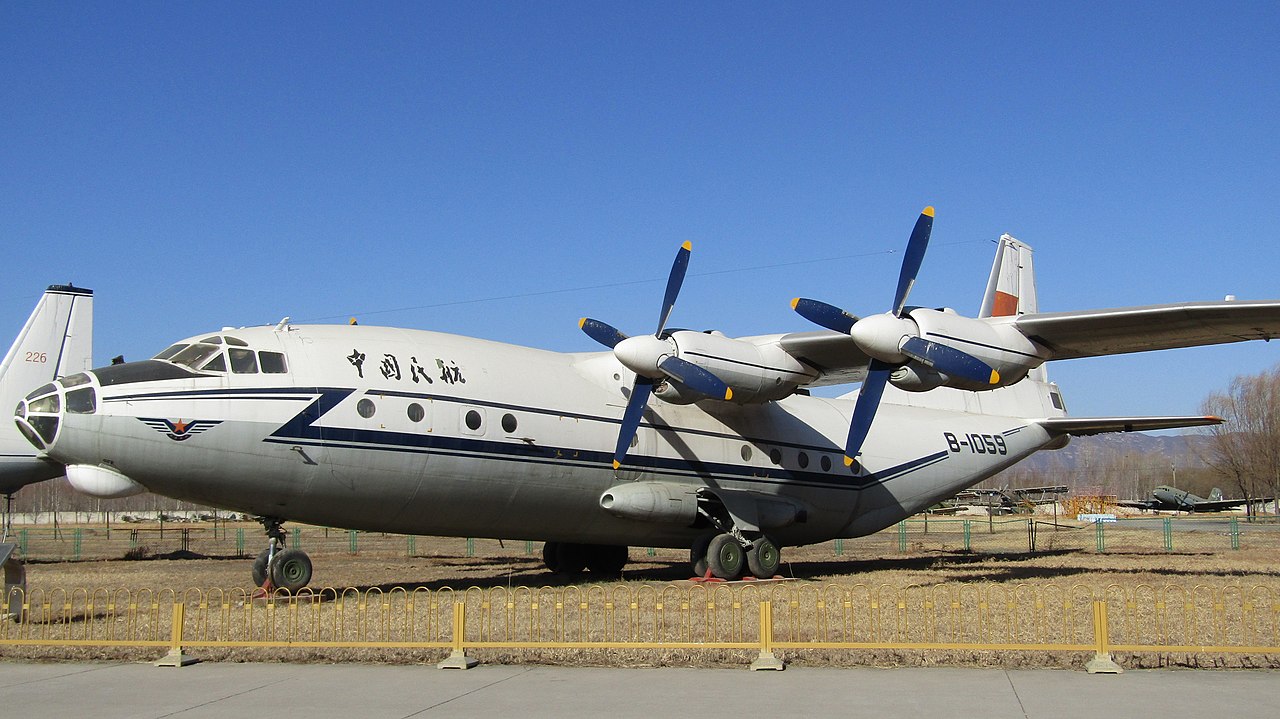
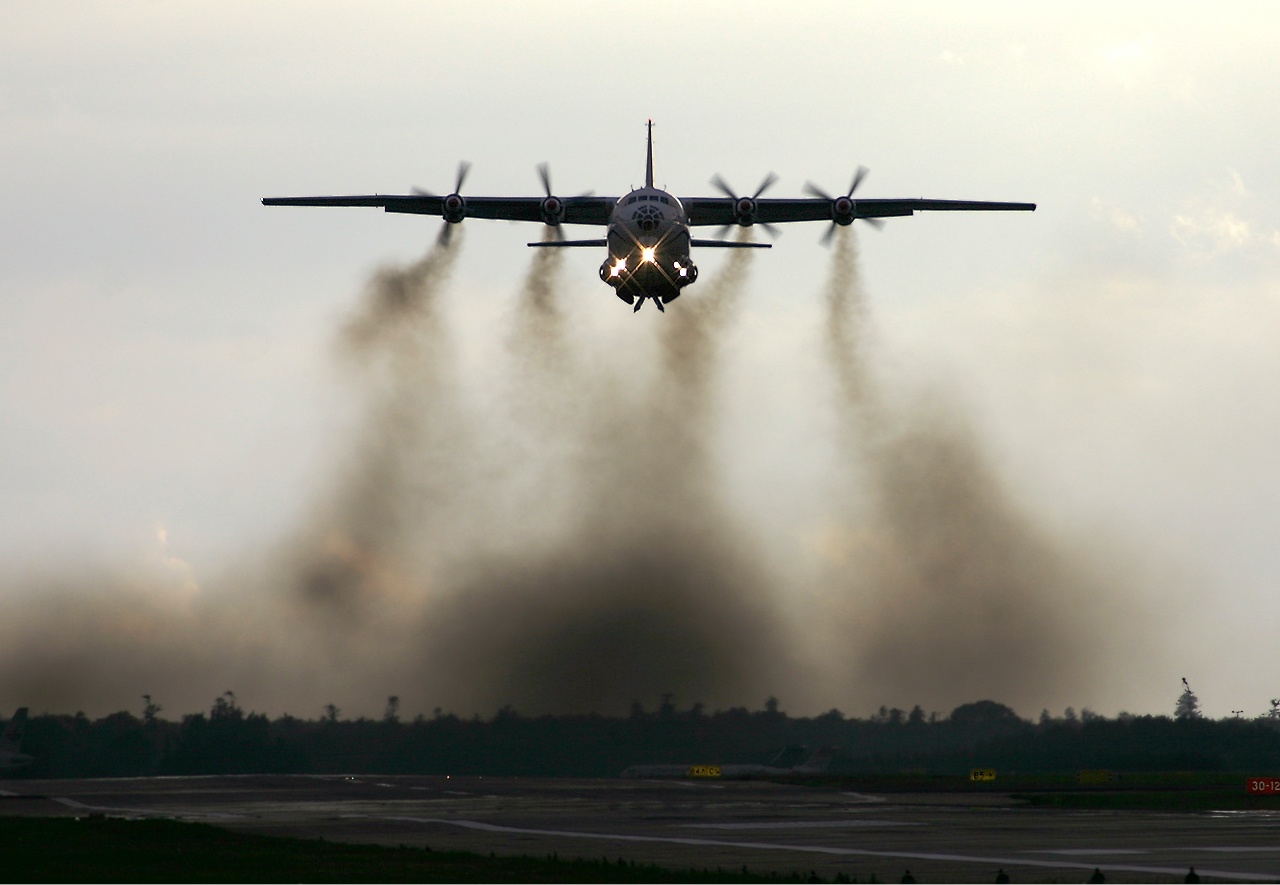
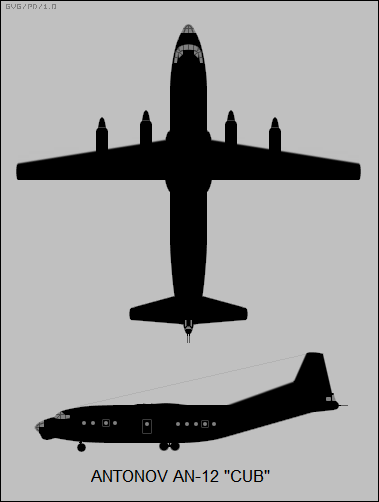
The An-12 features a high wing and a boxy fuselage with a rear loading ramp that simplifies loading of palletized cargo and vehicles. Its turboprop engines provide a balance of fuel efficiency and short-field performance. The landing gear and airframe were engineered to tolerate rough-field operations, making the type well suited to dispersed military bases and remote civilian airstrips.
Operational history
Widely used by Soviet military aviation and by many countries that procured Soviet equipment, the An-12 proved adaptable to varied missions. Operators have flown it in roles from routine transport to parachute drops, aerial reconnaissance, and special-mission conversions. Civilian freight companies have also employed the type for cargo services, especially where rugged operating conditions were common.
Variants and roles
- Basic tactical and strategic transport versions with differing equipment and load provisions.
- Specialized adaptations for maritime patrol, electronic intelligence, and weather reconnaissance.
- Civil cargo configurations used by airlines and freight operators.
Legacy and notable facts
The An-12's combination of durability, simple systems and a generous cargo compartment contributed to a long service life in many air arms and commercial fleets. Although newer transports have replaced it in many roles, the An-12 remains in use in several parts of the world. For information about the manufacturer and related designs, see Antonov.
The type is often compared to contemporary Western transports for its role rather than direct performance parity; its continued operation into the 21st century reflects the practical benefits of a rugged, easily maintained turboprop freighter.
Tags
Related articles
Author
AlegsaOnline.com Antonov An-12 (Cub) — Soviet four-engine turboprop transport Leandro Alegsa
URL: https://en.alegsaonline.com/art/4773