
Eastern Air Lines — history, operations, decline and later revivals
Eastern Air Lines was a major U.S. carrier founded under Eddie Rickenbacker in 1929; it rose to prominence mid‑20th century, ceased mainline service in 1991 and saw later attempts to revive the brand.
Overview
Eastern Air Lines was one of the United States' largest legacy carriers for much of the 20th century. Established under the leadership of Eddie Rickenbacker in 1929, the airline built an extensive route network across the eastern United States, the Caribbean and Latin America, and came to be regarded as one of the nation’s dominant carriers alongside American, United and TWA. Its influence extended beyond scheduled service: Eastern helped shape post‑war commercial aviation through route development and fleet modernization.
Image gallery
10 Images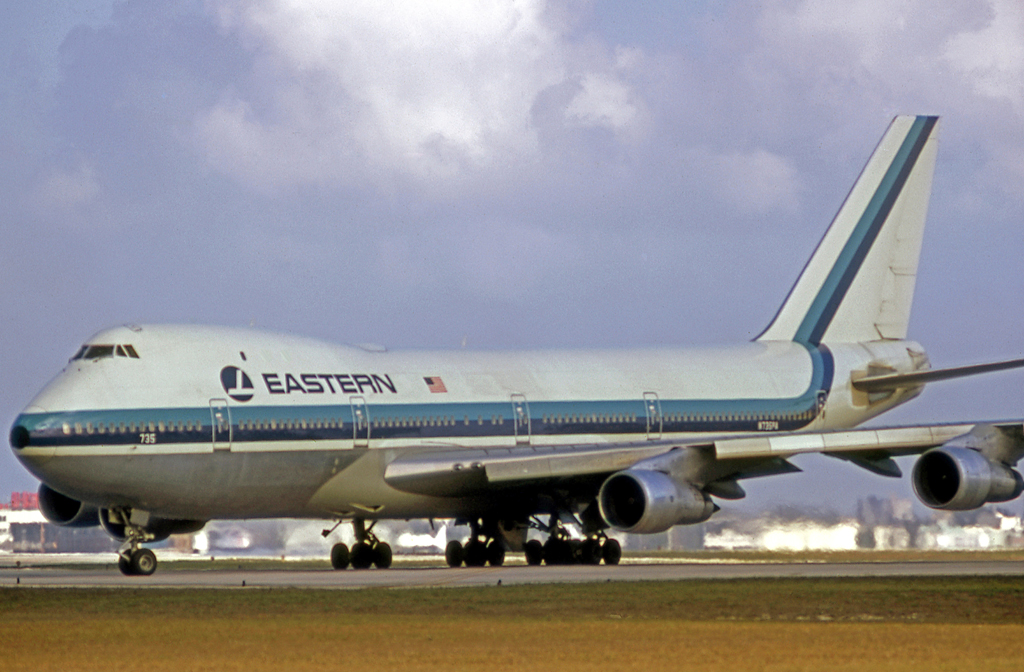





Characteristics and operations
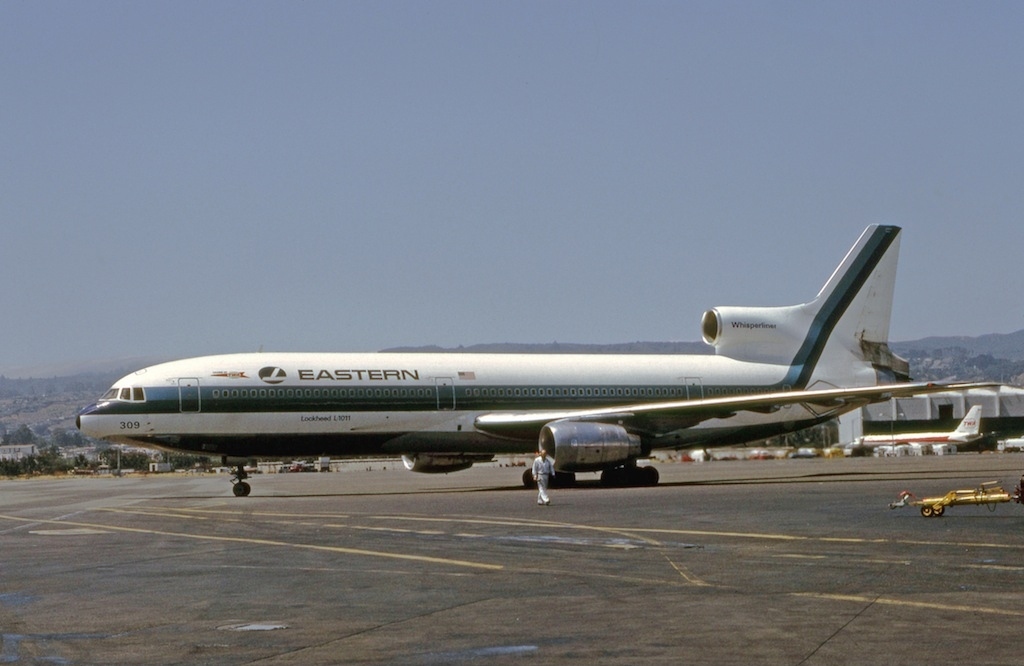
Eastern operated a mixed fleet of piston and later jet airliners and focused on high‑density trunk routes and international services to nearby countries. Miami served as a primary hub and gateway to Latin American and Caribbean destinations, while the carrier maintained a strong presence in the northeastern U.S. and on key domestic city pairs. The airline’s operational footprint included passenger and cargo services, and during peak decades it was a major employer in the aviation sector.
Development and decline
During the mid‑20th century Eastern expanded rapidly, benefiting from post‑war demand for air travel and a growing international market. Like many large airlines, it faced rising costs, competitive pressure, labor negotiations and regulatory change in the latter half of the century. In the 1980s the company underwent ownership and structural changes that led to contentious labor relations and financial stress. These pressures contributed to the original Eastern ceasing its mainline passenger operations in 1991.
Revival attempts and final disposition of the brand
The Eastern name and trademarks were later revived by new companies seeking to continue the brand. A relaunched carrier began flights in 2015 under the Eastern name, operating on a smaller scale than the original airline. That venture later entered into a transaction with Swift Air in 2017; according to public filings the transaction did not simply merge operating certificates, and aircraft and other assets subsequently transferred to the acquiring company’s certificate. In September 2017 the revived Eastern surrendered its operating certificate to regulators and the brand was arranged to be transferred among affiliated entities. For additional context on airline business reorganizations and certificates, see more from industry resources background on airline certificates.
Legacy and notable facts
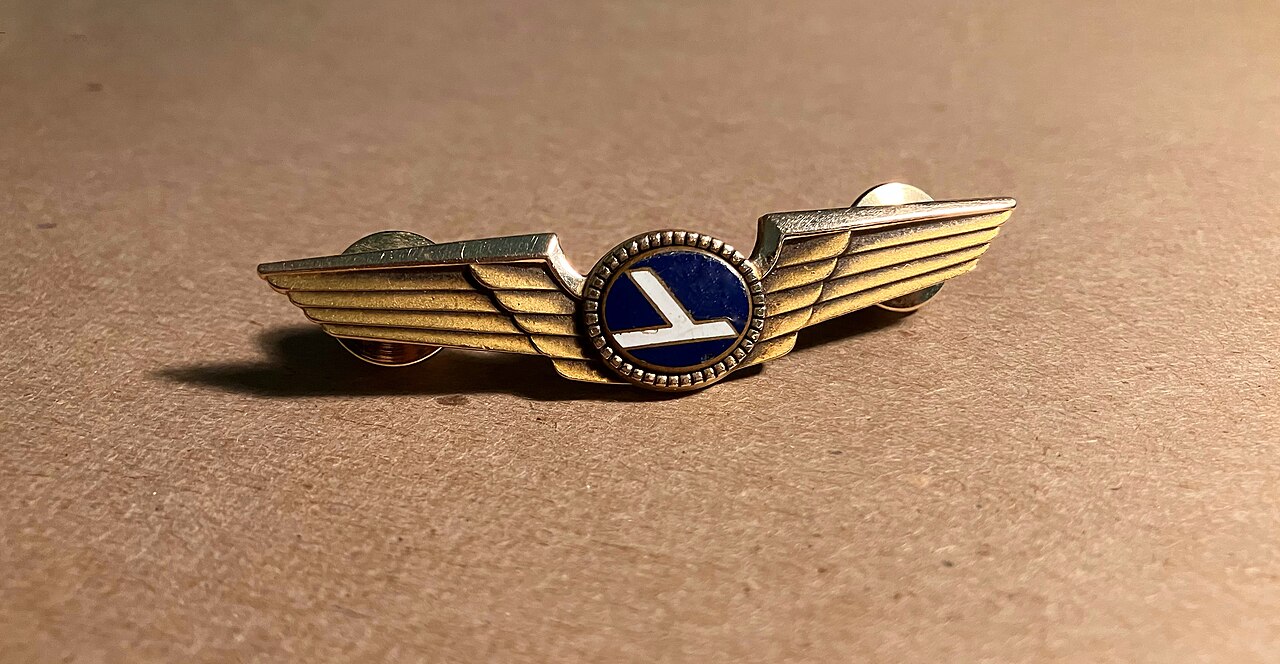
Eastern’s legacy is visible in the development of Miami as a major international gateway and in the memories of travelers and employees who recall its role in mid‑century aviation. Historically grouped as one of the “Big Four” U.S. carriers of its era, Eastern is often cited in studies of labor relations, airline consolidation and the challenges of deregulation. Museums, historical accounts and aviation collections preserve artifacts and stories from Eastern’s decades of service; for a curated view of its vehicles and uniforms consult specialist archives and registries historical collections and industry retrospectives industry retrospectives.
Why it matters
Studying Eastern Air Lines offers insight into the evolution of commercial aviation in the Americas: how carriers expanded route networks, adapted fleets, interacted with labor forces and responded to regulatory change. The story of Eastern is also a case study in brand persistence—how an iconic name can be revived and repurposed long after a carrier stops flying—illustrated by the events surrounding the 2015 relaunch and subsequent corporate transactions. For business and legal perspectives on such revivals, see resources that examine airline mergers, acquisitions and brand transfers merger and brand transfer analysis.
- Founded under Eddie Rickenbacker in 1929
- Major hub: Miami; extensive Caribbean and Latin American routes
- Part of the mid‑century U.S. “Big Four” group of carriers
- Mainline operations ended in 1991; brand revived in 2015 and later merged into other entities
Related articles
Author
AlegsaOnline.com Eastern Air Lines — history, operations, decline and later revivals Leandro Alegsa
URL: https://en.alegsaonline.com/art/29734
Sources
- usatoday.com : "They're back! 'New' Eastern Air Lines makes first revenue flight"
- airwaysmag.com : "The Eastern Air Lines Rebirth Dream Comes To An End"
- ch-aviation.com : "Dynamic Int'l Airways to rebrand as Eastern Air Lines"