
Malcolm Sargent: English conductor, organist, and Proms leader
Biography and assessment of Sir Malcolm Sargent (1895–1967), his career as a conductor and organist, leadership of the Proms, public persona, recordings, and musical legacy.
Overview
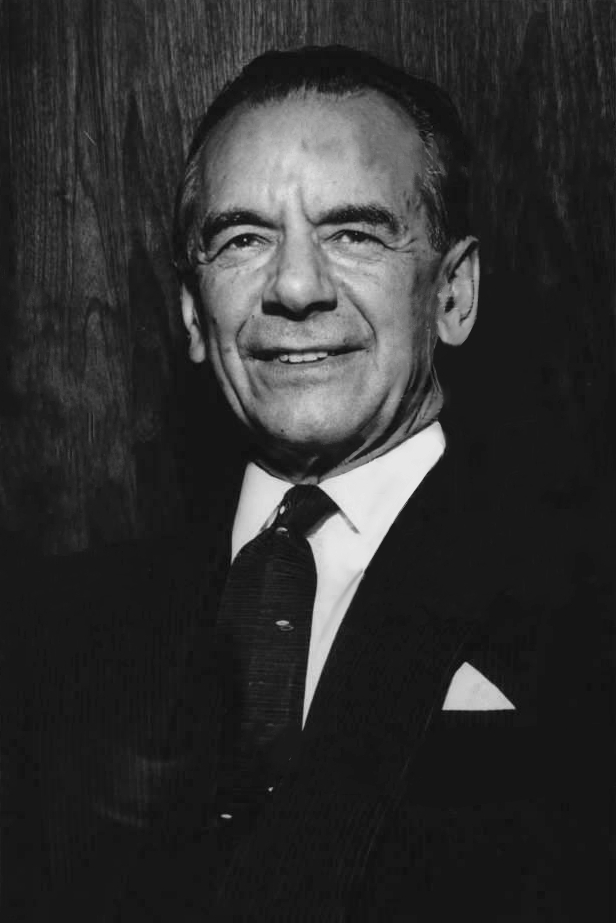
Sir Malcolm Sargent (born Ashford, Kent, 29 April 1895; died London, 3 October 1967) was a prominent English conductor, organist and composer. He became one of the best-known musical figures in Britain in the mid-20th century, widely admired for his public presence and for making large-scale choral and orchestral events accessible to audiences beyond the professional concert hall.
Image gallery
10 Images





Career and roles
Sargent worked with many ensembles during his career, conducting both amateur and professional choirs as well as orchestras. He combined work in the concert repertoire with a strong involvement in popular and civic music-making. He was active in live concerts, in the studio, and on the air, producing numerous recordings and making frequent broadcast appearances that brought classical music to a broad public.
Leadership of the Proms
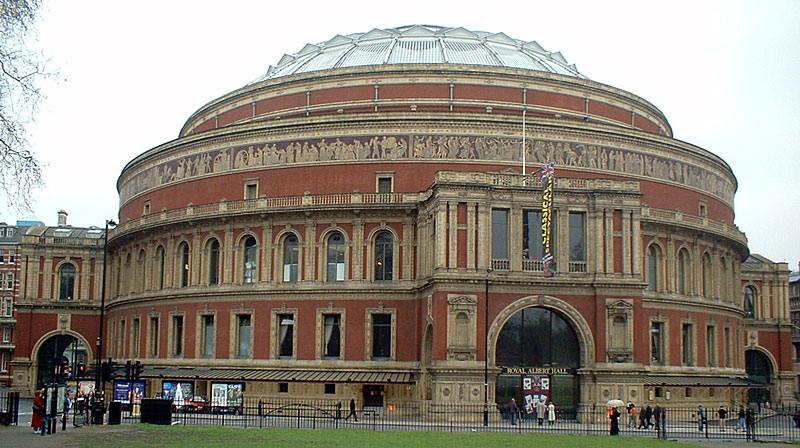
From 1948 until his death in 1967 Sargent was the principal conductor of the Henry Wood Promenade Concerts. Under his stewardship the annual season and, in particular, the Last Night of the Proms evolved into a highly popular, celebratory event. He encouraged atmosphere and repertoire that appealed to wide audiences and helped turn the Proms into a national musical occasion, later followed by millions via television.
Musical approach and reception
Sargent was known for a polished, communicative conducting style that emphasized clarity, rhythm and theatre. Audiences admired his flair and showmanship—he was sometimes affectionately dubbed "Flash Harry" for his elegant appearance—while some critics argued that his approach favored surface effect over analytical depth. Despite differing opinions, his skill at shaping large choral and orchestral forces won him enduring popular support.
Championing British music and public impact
He regularly programmed works by contemporary and historical British composers, helping to introduce their music to general audiences and consolidate a national concert repertory. His efforts contributed to a mid-century flowering of British musical life by making new and familiar works heard in festival, civic and broadcast contexts.
Legacy and notable facts
- Widely recognized public figure whose concerts reached beyond specialist circles through broadcasts and recordings (studio archives remain a resource for listeners).
- Associated with the Proms' transition into a mass cultural event that mixed serious repertoire with patriotic and popular items.
- Remembered both for his accomplishments as a conductor and for the lively public persona that made classical concerts feel communal and celebratory.
Sargent's career illustrates how a conductor can shape both musical taste and public ritual: through careful programming, visible leadership and media presence he helped make concert-going a shared national pastime. For further reading about his life and the institutions he influenced, see contemporary histories and archival collections maintained by musical organizations and broadcasters (birthplace and place of death records provide basic biographical anchors).
For more contextual materials and primary sources consult institutional sites and recorded anthologies that document mid-20th century British musical life and the evolution of public concerts at the Proms (organist and choral links), festival histories (choral resources), and broadcast archives (orchestral and Proms). Additional overviews and discographies are available through collections and reference works dedicated to 20th-century British music (Last Night, television, composers, recordings).
Questions and answers
Q: Who was Sir Malcolm Sargent?
A: Sir Malcolm Sargent was an English conductor, organist, and composer.
Q: Was Sir Malcolm Sargent a popular conductor?
A: Yes, he was an extremely famous and popular conductor who had a lot of influence on music in England during his life.
Q: What types of choirs did Sir Malcolm Sargent conduct?
A: He conducted both amateur and professional choirs.
Q: What was Sir Malcolm Sargent's role in the Henry Wood Promenade Concerts?
A: He was the main conductor of the Henry Wood Promenade Concerts from 1948 to 1967.
Q: What did Sir Malcolm Sargent do to the Last Night of the Proms?
A: He made the Last Night of the Proms into a very popular and joyful concert which today is enjoyed by millions of people worldwide on television.
Q: What was Sir Malcolm Sargent's contribution to British composers?
A: He conducted the music of many British composers, helping them to become known to a wide public.
Q: When did Sir Malcolm Sargent die and where?
A: Sir Malcolm Sargent died on 3 October 1967 in London.
Related articles
Author
AlegsaOnline.com Malcolm Sargent: English conductor, organist, and Proms leader Leandro Alegsa
URL: https://en.alegsaonline.com/art/125732