
Malcolm Turnbull: Australian politician and former Prime Minister
Malcolm Turnbull (born 1954) is an Australian politician, lawyer and businessman who led the Liberal Party and served as Prime Minister from 2015 to 2018. His career spans law, media, business and senior government roles.
Overview
Malcolm Bligh Turnbull (born 24 October 1954) is an Australian politician who served as leader of the Liberal Party and as Prime Minister of Australia from 2015 to 2018. Before entering federal politics he had careers in law, journalism and business and was active in public debates on constitutional reform. For a concise summary of his public life see Turnbull profile.
Image gallery
10 Images


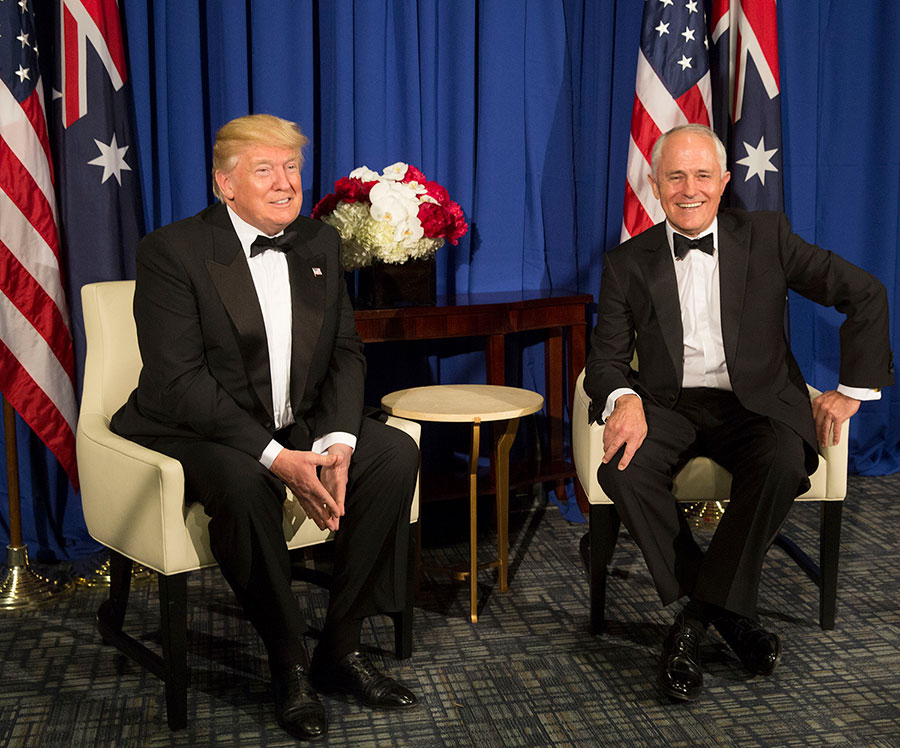
Early life and pre-parliament career
Turnbull trained in law and worked as a barrister and as a journalist before moving into the corporate and investment world. During the 1990s and early 2000s he was prominent in national discussions about republicanism and civic reform, holding leadership roles in advocacy groups. His mixture of legal, media and commercial experience shaped his pragmatic, market-oriented approach to politics and policy.
Parliamentary roles and ministerial office
Turnbull was elected to the House of Representatives as the member for Wentworth in 2004 and held that seat until his retirement from politics in 2018. He served in coalition governments in a number of senior positions, most notably as Minister for Communications from 2013 to 2015 under Prime Minister Tony Abbott. His time in communications shaped several national debates over broadband infrastructure, media regulation and telecommunications policy.
Leadership contests and prime ministership
Built on a high public profile and factional support within his party, Turnbull first became leader of the Liberal Party and Leader of the Opposition in 2008, before losing the leadership the following year in a contest driven largely by disagreement over climate policy and an emissions trading scheme. He later returned to lead the party in 2015 and became Prime Minister, winning a federal election in 2016. Internal party tensions persisted and in August 2018 a leadership spill saw Scott Morrison elected leader; see Scott Morrison for the subsequent transition. For further context on his periods as opposition leader consult Opposition leader reference.
Policies, disputes and public profile
Turnbull's premiership was associated with centrist economic and communications priorities and a technocratic style. He was closely involved in debates over the National Broadband Network, telecommunications regulation and Australia's energy and climate policies. Disputes within his party—particularly over climate measures such as an emissions trading scheme—were a recurring feature of his leadership and previously contributed to his 2009 loss of the party leadership.
Legacy and significance
Turnbull is regarded as a figure who bridged business and politics, bringing private-sector experience to government while championing technological and constitutional reform. His time in office highlighted the tensions within modern conservative coalitions between market-minded centrists and more conservative elements. For more detailed biographical material and primary sources see biography and resources.
- Major offices: Member for Wentworth, Minister for Communications, Leader of the Opposition, Prime Minister
- Notable themes: communications policy, republicanism, climate-policy tensions
- After politics: retired from parliament in 2018 and returned to private life
Related articles
Author
AlegsaOnline.com Malcolm Turnbull: Australian politician and former Prime Minister Leandro Alegsa
URL: https://en.alegsaonline.com/art/125734