
BBC Proms: Britain's Summer Classical Music Festival
The BBC Proms is an annual summer season of concerts in London, combining orchestral, chamber and contemporary music with affordable standing tickets and national broadcasts.
The BBC Proms is a long-running summer season of public concerts in London, commonly called the Proms. The name comes from "promenade concerts," an older tradition in which parts of the audience stood and moved about. Today the BBC Proms present a wide range of classical and contemporary repertoire, staged primarily at the Royal Albert Hall in London, and curated and broadcast by the BBC. The series runs each year from mid-July to mid-September and includes daily performances by international orchestras, soloists and ensembles.
Image gallery
8 Images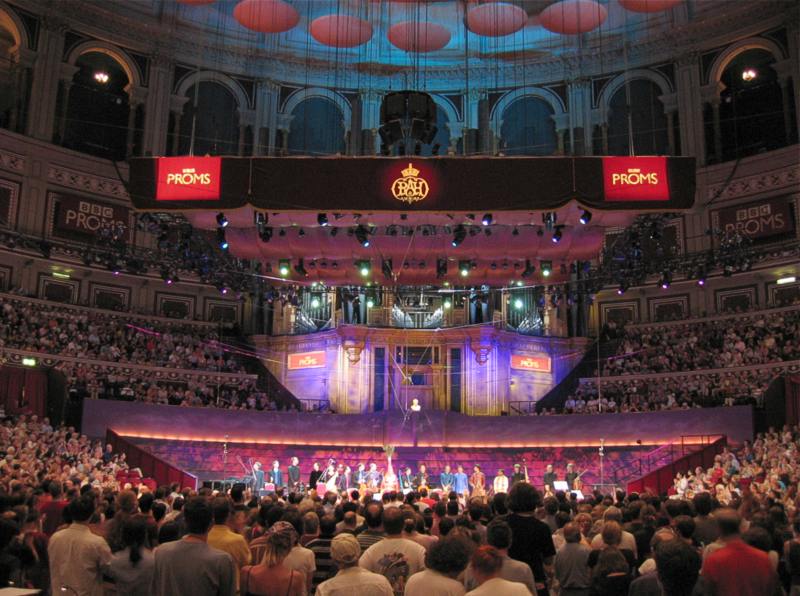


Origins and development
The Proms trace their roots to late 19th-century promenade concerts designed to make orchestral music more accessible to a wider public. The modern incarnation was shaped by conductor Henry J. Wood and early promoters who emphasized both popular appeal and musical quality. The concerts were originally held at older venues until wartime damage led to the relocation of the main season to the Royal Albert Hall, where it has become closely identified with the Proms' image and scale.
Format and programme
Proms programming mixes large-scale symphonic concerts, chamber recitals, contemporary commissions, family events and themed evenings. One distinctive feature is the availability of inexpensive standing tickets—"promenade" places—allowing audiences to stand in the hall for many concerts. The season culminates in a festive final concert widely known as the "Last Night of the Proms," which blends serious music-making with popular and patriotic pieces in a uniquely communal atmosphere.
Broadcasts and outreach
As a BBC-organised series, the Proms are extensively broadcast on radio and television and streamed online, bringing performances to national and international audiences. The festival also runs educational projects, community events and smaller-scale performances to broaden participation and to nurture new listeners and performers.
Significance and notable features
- Accessible pricing and the tradition of promenade standing tickets make the Proms an important public gateway to classical music; see general concert listings for details here.
- The season presents both established repertoire and new commissions, supporting living composers and contemporary music programmes.
- Its association with the BBC ensures wide coverage and archival recordings that document performances over many decades media.
- The Royal Albert Hall remains the festival's iconic home, shaping the Proms' acoustic and social character venue info.
- For practical visitor information and scheduling within London, consult local listings resources.
Together, these elements make the BBC Proms both a flagship cultural event in the UK and an influential model for large-scale, public-facing classical music festivals worldwide.
Questions and answers
Q: What are the Proms?
A: The Proms are concerts that are part of a music festival.
Q: What does "Proms" stand for?
A: "Proms" is short for "Promenade Concerts".
Q: Who organizes the Proms?
A: The Proms are organized by the BBC.
Q: Why are they called "BBC Proms"?
A: They are called "BBC Proms" because they are organized by the BBC.
Q: Where do the Proms take place?
A: The Proms take place in the Royal Albert Hall in London.
Q: When do the Proms take place?
A: The Proms take place from mid-July to mid-September every year.
Q: How often do the Proms occur?
A: The Proms occur every year.
Related articles
Author
AlegsaOnline.com BBC Proms: Britain's Summer Classical Music Festival Leandro Alegsa
URL: https://en.alegsaonline.com/art/9747