
Amateur: people who pursue activities for love rather than pay
Overview of amateurs: meaning, etymology, differences from professionals, common fields, social and historical context, benefits and limitations of non‑professional participation.
Overview
The term amateur generally refers to a person who engages in an activity for pleasure, personal interest or passion rather than as a primary source of income. An amateur may perform at a high level, but the defining feature is that the activity is not their paid occupation and they often lack formal training or education in that field. The usual contrast is with a professional, who is paid and often trained to perform the work and who expects a fee for services rendered.
Image gallery
1 Image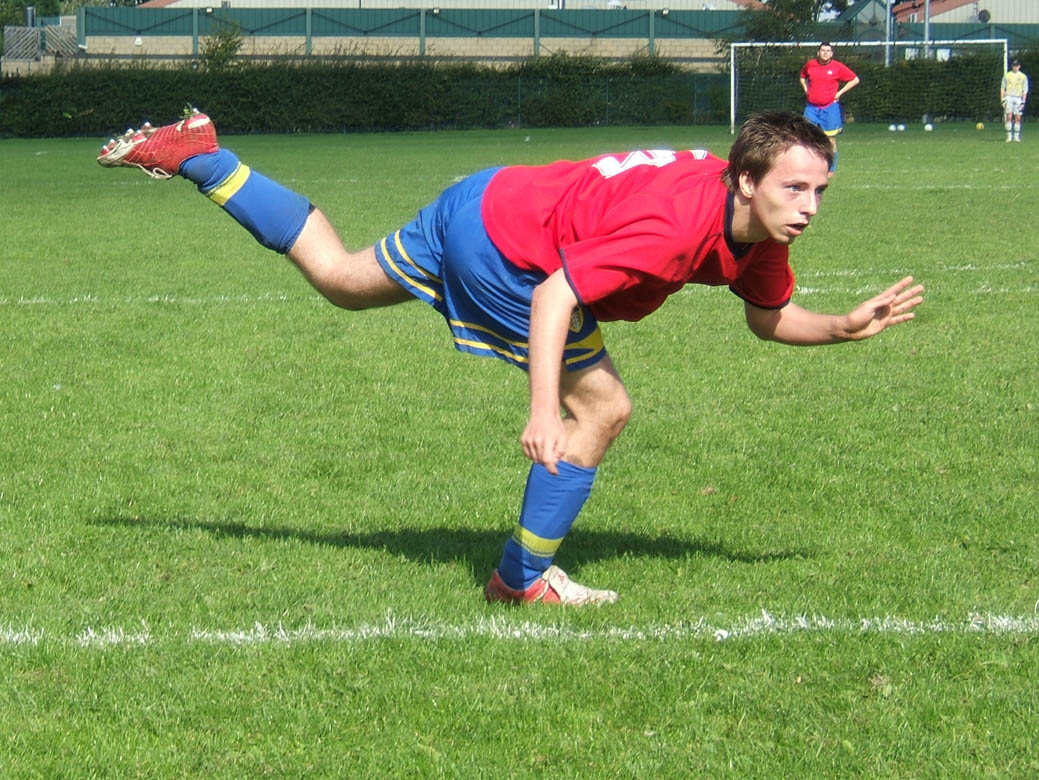
Characteristics and common features
Amateurs are motivated by interest rather than remuneration. The original linguistic root of the word comes from a French term meaning "lover of," emphasizing affection or devotion to the pursuit. Typical attributes include a willingness to learn, flexibility in how time is spent, and participation that coexists with other responsibilities such as employment, study or family life. The label does not inherently describe skill level: an amateur may be an expert in practice but remain unpaid.
- Motivation: enjoyment, curiosity or community involvement.
- Compensation: usually unpaid or modestly reimbursed.
- Training: may be self-taught, informally mentored, or eventually formally trained.
- Scope: ranges from casual hobbyists to highly skilled avocational practitioners.
History and development
Historically, many fields had strong amateur traditions. In the 19th and early 20th centuries, the "gentleman amateur" archetype was common in scientific, artistic and sporting circles: people of independent means pursued disciplines for status or curiosity rather than livelihood. Over time, many areas professionalized, requiring certification and formal training, but amateur participation persisted and adapted. In recent decades the rise of hobbyist communities, inexpensive equipment and online collaboration has broadened what amateurs can contribute.
Uses, examples and social importance
Amateurs play important roles in numerous domains. Enthusiasts contribute to fields such as music — someone learning the piano in their spare time — or team sports, like weekend football. They are prominent in citizen science projects and grassroots initiatives. In areas such as computer programming, open‑source software owes much to volunteers. Amateur observers have long aided astronomy by discovering transient events, and hobbyists in birdwatching gather valuable distribution data. Collaborative knowledge resources such as Wikipedia depend heavily on contributors who are not paid professionals.
Limitations, distinctions and notable points
Certain occupations require licensed professionals because of public safety, legal responsibilities and certification standards; examples include medicine and lawyers, where untrained practice is prohibited or regulated. The adjective "amateurish" has acquired a pejorative sense meaning unskilled, but this is a separate usage from "amateur," which historically and linguistically emphasizes affection for an activity. Between pure amateurs and full professionals there are other categories such as volunteers, semiprofessionals and skilled hobbyists.
In summary, amateurs are a diverse group united by doing work primarily for interest rather than pay. Their contributions, from creative arts to scientific observations, remain an important complement to professional activity, offering fresh perspectives, community engagement and often significant practical results.
Questions and answers
Q: What does the word "amateur" mean?
A: The word "amateur" means someone who does something without being paid for it, without having had training or education for it, and because they enjoy doing it.
Q: What is the opposite of an amateur?
A: The opposite of an amateur is a professional who expects to be paid a professional fee for the job.
Q: Where does the word "amateur" come from?
A: The word "amateur" comes from a French word meaning "lover of."
Q: Is an amateur someone who is not good at something?
A: No, an amateur should not be mistaken as someone who is not good at something.
Q: Can an amateur do a job as well as a professional?
A: Yes, an amateur can do a job as well as a professional, even in some cases, better than some professionals.
Q: Can amateurs work in some jobs?
A: No, it would be impossible for amateurs to work in some jobs, including those of doctors or lawyers.
Q: In which fields have amateurs been very useful?
A: Amateurs have been very useful in fields including computer programming, astronomy, birdwatching, and even writing for websites such as Wikipedia.
Author
AlegsaOnline.com Amateur: people who pursue activities for love rather than pay Leandro Alegsa
URL: https://en.alegsaonline.com/art/3242